Afghan Women Defy Taliban Rules Through Secret Salons and Businesses
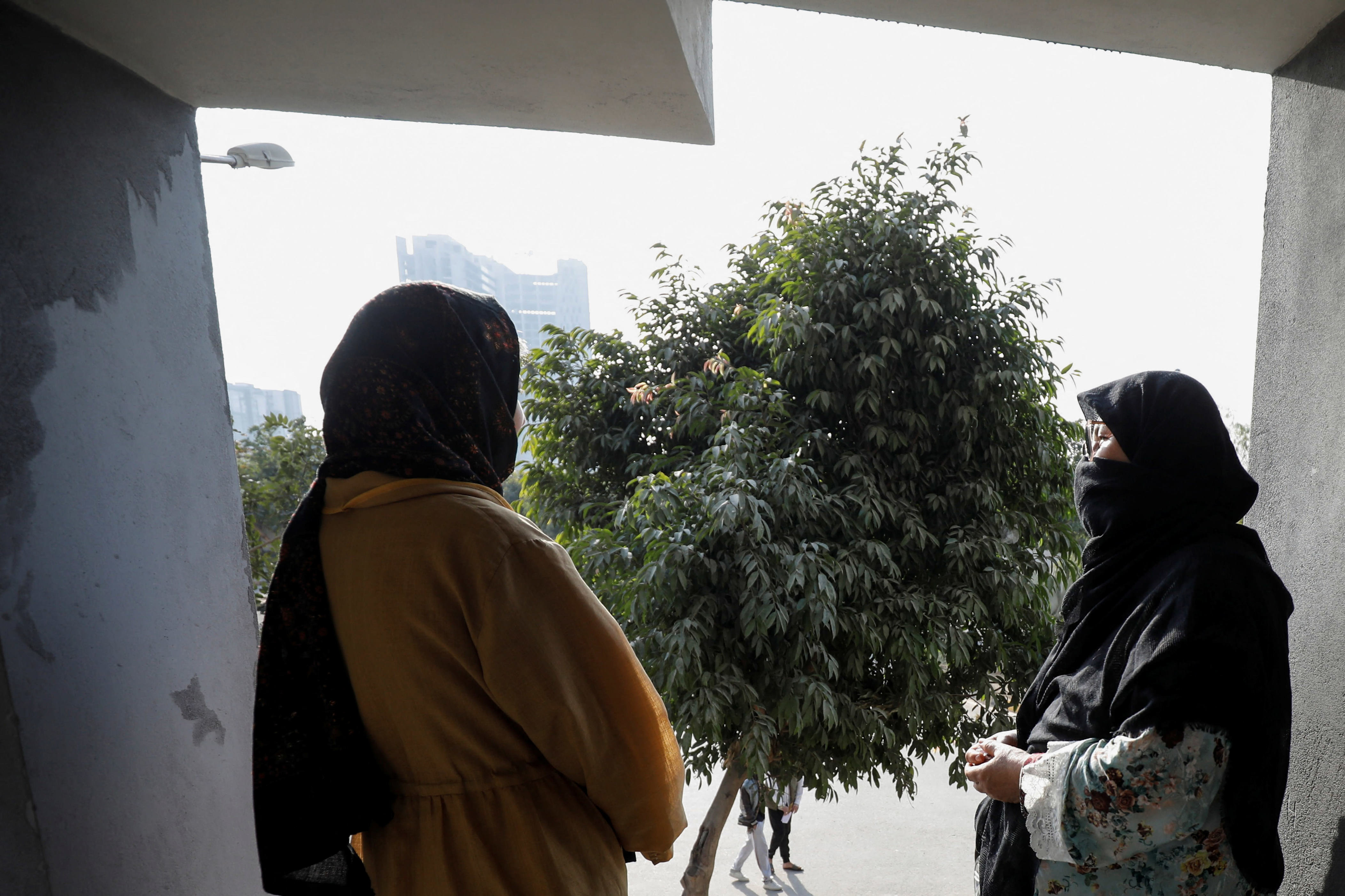
Afghan Women Navigate Life Under Taliban Rule
In the face of strict restrictions imposed by the Taliban, Afghan women are finding creative ways to maintain their independence and livelihoods. From operating secret beauty salons to launching online businesses, these women are engaging in small acts of resistance that challenge the oppressive regime’s interpretation of Sharia law.
The Washington Post reported that many women have turned to clandestine operations to continue their work. For instance, some salons require clients to park several blocks away and enter through unmarked doors to avoid detection by the morality police. Others have closed their businesses entirely due to the fear of being caught and punished for violating the Taliban’s rules.
Initially, there were no bans on working or attending beauty salons, but a new interpretation of Sharia law two years ago deemed such activities as “vices” that needed to be “prohibited in Islam.” This led to the closure of nearly 12,000 salons, forcing women to find alternative means of earning a living or go underground.
Small Acts of Resistance
Simin, a 22-year-old woman who runs a hidden salon, shared her concerns about the risks involved. “I’m worried that the Taliban will find us, but I have no other choice than to keep running it. It’s our family’s only source of income,” she said. Her business operates with extreme caution, with customers arriving on foot and entering through an unmarked door. A simple hush is enough to signal their arrival.
Another example of resilience comes from Beheshta, a 23-year-old who started selling cosmetics and jewelry online in 2023. She aimed to bypass the Taliban’s restrictions and ended up gathering a group of women interested in her business model. However, recent months have been challenging, with customers arguing over prices and her revenue dropping by 20% over the last six months.
Adapting to New Realities
Not all women choose to resist the Taliban’s rule. Some have opted to adapt to the new circumstances. Sawita, who used to run a salon before the ban, decided to close her business to protect her family’s safety. Now, she works as a leather tailor, teaching other women the trade. However, the low salary forces her to move her entire family into a one-bedroom apartment.
“I miss waking up early, reading the Quran, and then going to work,” she said. “That was my definition of freedom.”
Other women have found new professions under the Taliban’s rule. Fariba Noori, a 50-year-old job coach, teaches Afghan women how to start market stalls or launch their own businesses. “They tell us to work,” she said, “and they’re cooperative.” Despite this, there is a shared sense of hopelessness among many women in Afghanistan.
Challenges and Hopes
Noori highlighted the difficulties faced by women-run ventures, as foreign donors have rejected numerous funding applications in recent months. “All we want is to empower women to stand on their own feet,” she said.
Meanwhile, Simin remains determined to seek asylum abroad. “I want to continue studying and work towards my goals,” she said. Her story reflects the broader struggle of Afghan women who are trying to navigate a difficult and uncertain future under the Taliban’s rule.

Post a Comment for "Afghan Women Defy Taliban Rules Through Secret Salons and Businesses"
Post a Comment