Afghan Interpreter Who Saved U.S. Officer Fears Deportation
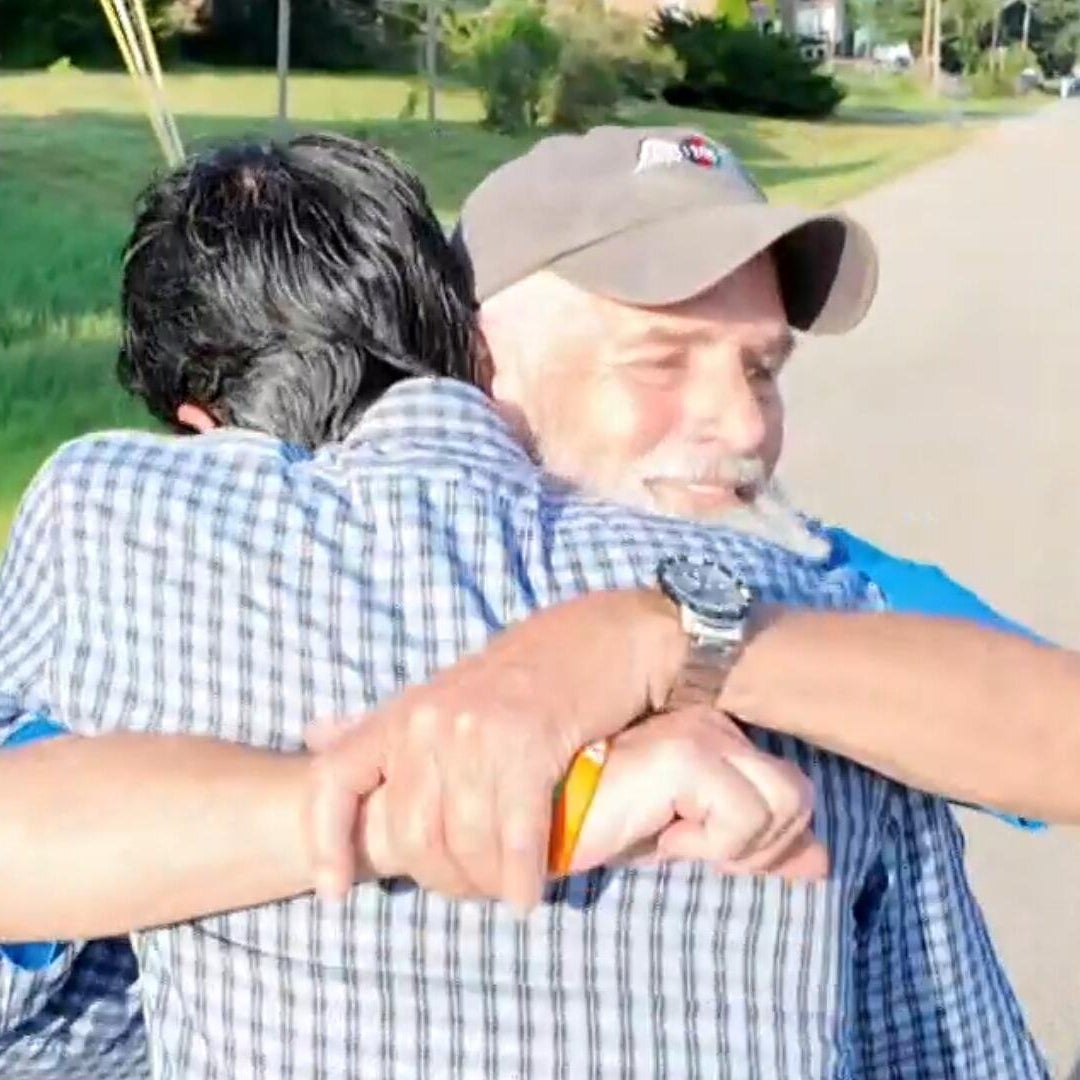
A Bond Forged in War and Reunited in Freedom
Dewey Yopp, a retired U.S. Army Special Forces officer, was deployed to Afghanistan in 2002 during the early stages of the war. His mission was to help build and train a new Afghan army. It was during this time that he met Amir, an 18-year-old Afghan translator who would become a vital part of his life. Yopp recalls that Amir not only helped him navigate the complexities of the region but also saved his life on multiple occasions.
One such instance involved Amir dragging Yopp to a medevac point under fire. “Amir dragged me, under fire, to a medevac point,” Yopp shared with CBS News. The bond between them grew stronger over time, and Yopp described Amir as more than just a colleague—he became like a son to him.
After the U.S. withdrawal from Afghanistan in 2021, Yopp worked tirelessly to secure a special immigrant visa for Amir. Due to safety concerns, Amir asked that his real name be kept confidential. “If someone saves your life, your souls are bound together for eternity,” Yopp said. “He’s like a son to me, really.”
Three years later, Amir’s visa was approved, and he and his family received green cards. They eventually moved to the United States and settled in Kentucky, reuniting with Yopp 22 years after their first meeting in Afghanistan. Today, Yopp spends much of his time with Amir’s children, who affectionately call him “grandfather.”
Despite this happy reunion, thousands of Afghans living in the U.S. now face uncertainty. A federal appeals court recently refused to freeze the Trump administration’s efforts to end the legal status of some Afghan allies. Amir is a recipient of a Special Immigrant Visa, which was meant for those who supported the U.S. during the war. Even though he and his family have green cards, they still fear being deported, as the White House has threatened to send even green card holders back to Afghanistan.
Amir took significant risks to assist American soldiers, driven by the lack of opportunities in Afghanistan and the promise of a safer future abroad. He recalled that the promise made to him was clear: “Your family will go to America. This was promised with all who work with U.S.” However, after the U.S. withdrawal, he went into hiding, feeling betrayed by the government that had once pledged to protect him.
It wasn’t until Yopp stepped in that Amir’s dream of a new life in the U.S. was realized. While many veterans have taken it upon themselves to help their Afghan allies relocate and settle in the U.S., Amir believes it should not be the responsibility of veterans to fulfill the government’s promises.
The Trump administration has repeatedly targeted Afghan refugees, implementing policies that have hindered their ability to resettle in the U.S. These include stopping flights with Afghan allies, freezing resettlement services, adding Afghanistan to the travel ban list, and ending the Temporary Protected Status (TPS) program for Afghan refugees. Yopp sees this as a “moral injury” for veterans who risked their lives to protect those who helped them during the war.
As part of its efforts to end the TPS program, Homeland Security Secretary Kristi Noem has claimed that Afghanistan is now safe for Afghans to return. Amir strongly disputes this claim, pointing out the contradiction in the State Department’s “Do Not Travel” advisory for Afghanistan. “OK, if Afghanistan is safe, why are you saying to your citizens, ‘Do not go to Afghanistan?’” he questioned. “For me, [it’s] safe, but for you, [it’s] not safe? I’m not sure.”
Amir now works two jobs, seven days a week, to support his family. He credits Yopp, who is retired, for providing him with $500 a month to get by in the past. “It’s been a slap in the face, really, to see the programs that were in effect, to be taken away,” Yopp said.
Amir adds, “Americans should not make a promise with Afghans, and now [you’re] making a problem for them. Then why [did] you make [that] promise?” His story reflects the broader struggles of many Afghans who have placed their trust in the U.S. and now fear the consequences of broken promises.

Post a Comment for "Afghan Interpreter Who Saved U.S. Officer Fears Deportation"
Post a Comment