A SC Family Seeks Change After Losing Their Son to a Misdiagnosed Headache
A Family’s Plea for Change After a Tragic Loss
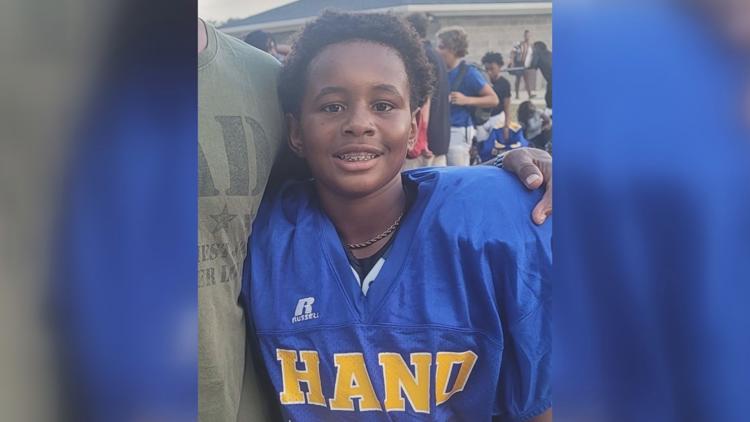
The parents of 12-year-old Jaysen Carr, who passed away earlier this month after contracting a rare and deadly brain-eating amoeba, have spoken out publicly for the first time. During a news conference in Columbia, they urged state agencies and lawmakers to take action to prevent other families from enduring the same heartbreak they are now facing.
“Jason should still be here,” said Jaysen’s father, Clarence Carr. “There’s absolutely no excuse why he shouldn’t be.” His words reflected the deep sorrow and frustration that the family has felt since losing their son.
Jaysen died on July 18 after being hospitalized for over a week and a half. According to his family, the infection began after he swam in Lake Murray during the July 4th holiday. The incident has raised concerns about the safety of freshwater bodies and the need for better public awareness and prevention measures.
The Carr family was joined by their attorney, Tyler Bailey, who emphasized that the family has not been contacted by any public health or environmental agency following their son's death. He also confirmed that the cause of death was identified as Naegleria fowleri, an amoeba that thrives in warm freshwater environments. Once symptoms begin, the infection is almost always fatal.
Understanding the Rare Infection
Naegleria fowleri is a microscopic organism commonly found in warm freshwater sources such as lakes, rivers, and hot springs. It can enter the body through the nose, traveling to the brain and causing a severe infection known as primary amebic meningoencephalitis (PAM). The disease is extremely rare, with only a handful of cases reported each year in the United States. However, it is almost always deadly once symptoms appear.
Despite its rarity, experts warn that the risk is real, especially in regions where water temperatures are rising due to climate change. The amoeba prefers warm water, making it more prevalent in areas with higher summer temperatures.
Calls for Action and Awareness
The Carr family’s story has sparked conversations about how to better protect the public from such infections. They are calling for increased monitoring of freshwater sources, clearer warnings about potential risks, and better education for swimmers and outdoor enthusiasts.
Clarence Carr stressed that no one should have to go through what his family is experiencing. “This shouldn’t happen to anyone,” he said. “We need to make sure that other kids don’t lose their lives like Jason did.”
Bailey also highlighted the lack of communication between the family and local authorities. He suggested that there may be gaps in the system when it comes to responding to such incidents. “If we don’t learn from this, we’re going to see more tragedies like this,” he said.
What Can Be Done?
Experts recommend several steps to reduce the risk of Naegleria fowleri infections:
- Avoid swimming in warm, stagnant water, especially during periods of high temperature.
- Use nose clips when swimming in freshwater to prevent the amoeba from entering the nasal passages.
- Stay informed about local water conditions and follow any advisories issued by health officials.
Public health officials are also encouraged to increase surveillance of freshwater bodies and provide more information to the public about the risks associated with certain water activities.
As the Carr family continues to grieve, they hope their voices will lead to meaningful change. Their message is clear: no child should die from something that could have been prevented.

Post a Comment for "A SC Family Seeks Change After Losing Their Son to a Misdiagnosed Headache"
Post a Comment