A Queer Hero's Lost Masterpiece Reemerges
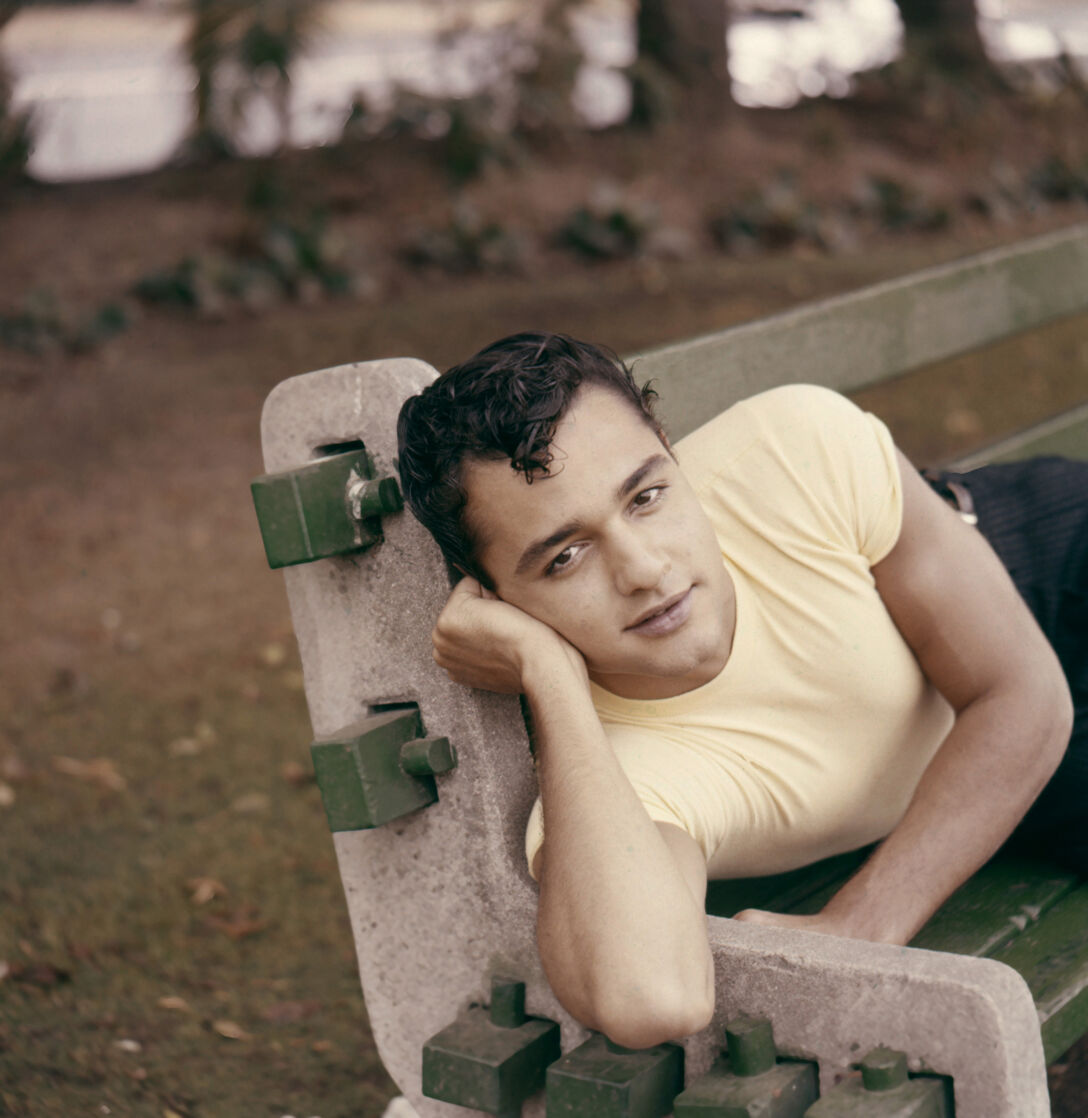
A Forgotten Gem in the Legacy of Sal Mineo
Sal Mineo, best known for his iconic role in Rebel Without a Cause, left an indelible mark on Hollywood despite his tragically short life. At just 37 years old, he was found dead after being stabbed, but his cinematic legacy remains strong. Mineo's performances were marked by a raw vulnerability and natural acting style that captivated audiences. Even though his time in the spotlight was brief, his work continues to resonate with queer audiences who appreciate his contributions to film.
While many remember Mineo for his role in Rebel Without a Cause, fewer are aware of his performance in a lesser-known psycho-thriller from the mid-1960s. This film, directed by Joseph Cates—a producer and Broadway veteran, and the father of Phoebe Cates—was destined to become a cult classic regardless of its star power. The movie, titled Who Killed Teddy Bear?, features Mineo as a perverted stalker and crank caller whose seemingly harmless pranks escalate into something far more dangerous when he encounters one of his victims in person.
Set against the gritty backdrop of Times Square in the mid-1960s, the film offers a vivid portrayal of New York City during a turbulent era. It explores themes that would later be echoed in queer-tinged erotic thrillers such as Dressed to Kill. The film also draws inspiration from earlier voyeuristic works like Peeping Tom and Rear Window, showcasing a blend of suspense and psychological tension that still holds up today.
Despite its unique narrative and visual style, Who Killed Teddy Bear? never gained widespread recognition. However, it has since developed a cult following among film enthusiasts who appreciate its bold storytelling and atmospheric setting. The film’s exploration of obsession, identity, and the darker side of human behavior makes it a compelling watch, especially for those interested in the evolution of the thriller genre.
For New Yorkers, there is now another opportunity to experience this forgotten gem on the big screen. The film will be shown at the renowned repertory house Film Forum, offering audiences a chance to rediscover a piece of cinematic history. This screening not only celebrates Mineo’s talent but also highlights the enduring appeal of films that push the boundaries of conventional storytelling.
The film’s relevance extends beyond its time, as it touches on themes that remain pertinent today. Its depiction of a society grappling with moral ambiguity and the consequences of unchecked desire reflects ongoing conversations about identity, power, and control. For viewers familiar with Mineo’s other work, Who Killed Teddy Bear? serves as a reminder of his versatility as an actor and his ability to bring complex characters to life.
In addition to its narrative depth, the film’s aesthetic choices contribute to its lasting impact. The use of location shooting in the seedy underbelly of New York City adds authenticity to the story, while the cinematography captures the mood and atmosphere of the era. These elements combine to create a viewing experience that is both immersive and thought-provoking.
As the film prepares to make its return to the silver screen, it stands as a testament to the enduring power of cinema. Whether viewed as a historical artifact or a modern-day classic, Who Killed Teddy Bear? offers a glimpse into a different time and place, while also resonating with contemporary audiences. It is a reminder that even the most obscure films can hold significant cultural value and continue to inspire new generations of viewers.

Post a Comment for "A Queer Hero's Lost Masterpiece Reemerges"
Post a Comment