A New Civic Focus for Pennsylvania and Philadelphia
Understanding the Importance of Civics Education in Philadelphia
Philadelphia’s public school system is undergoing a significant transformation, especially when it comes to civics education. As students navigate complex societal issues such as poverty, gun violence, and social inequality, educators are working to equip them with the knowledge and tools necessary to understand their roles as active citizens. Teachers like Nadirah O’Connor, a social studies instructor at Martin Luther King High School, emphasize the importance of addressing these questions head-on in the classroom.
Students often ask why their neighborhoods face such challenges while wealthier areas seem to avoid similar problems. These inquiries highlight the need for a more comprehensive approach to teaching civics, which goes beyond memorizing facts about government structures. Instead, it involves fostering critical thinking and encouraging students to engage with real-world issues that directly impact their lives.
State and Local Efforts to Strengthen Civics Instruction
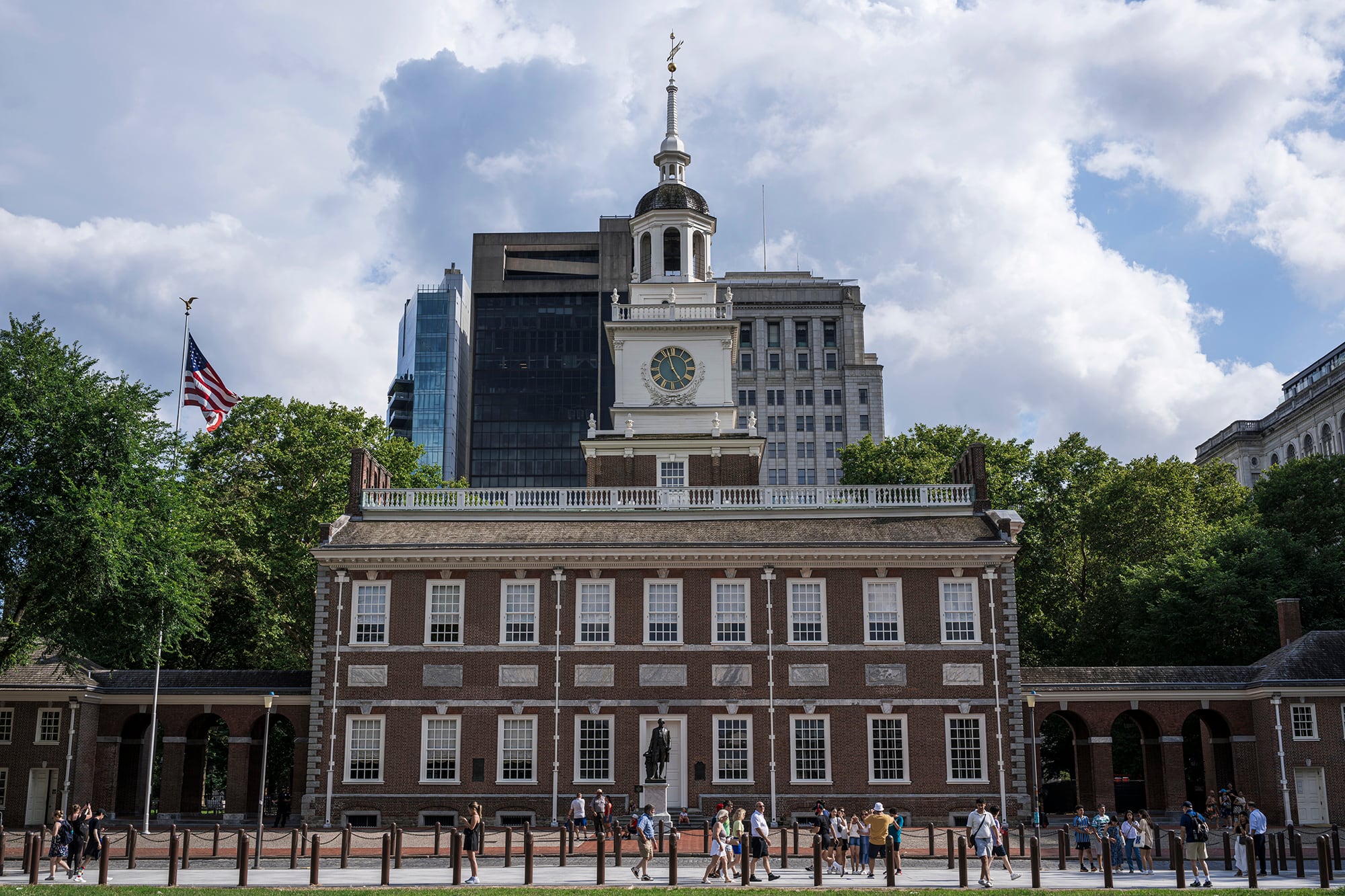
In preparation for the 250th anniversary of the Declaration of Independence, both the state of Pennsylvania and the Philadelphia School District are taking steps to ensure that students graduate with a solid understanding of how government functions and the responsibilities of citizenship. The state has initiated a bipartisan effort to establish guidelines and standards for civics instruction, allowing individual districts to adapt these frameworks to their unique needs.
Meanwhile, the Philadelphia School District is updating its civics curriculum, which has not been revised in over two decades. Ismael Jimenez, the district’s director of social studies, notes that there is currently no explicit civics course until senior year. This gap in education is being addressed through new initiatives aimed at helping students think critically and act responsibly in public affairs.
On the state level, former Congress members Joe Hoeffel and Jim Gerlach have formed a coalition of educators and good-government groups to elevate the importance of civics education across Pennsylvania. Their goal is to provide resources and support for teachers, ensuring that students receive a well-rounded education that prepares them for civic engagement.
Challenges and Concerns in Civics Education
Despite these efforts, challenges remain. Pennsylvania students have been required to pass a civics test to graduate since 2018, but the law lacks specific guidelines on what the test should cover or whether a civics course is mandatory. This ambiguity has led to inconsistent instruction across districts.
A 2021 report by the Fordham Institute ranked Pennsylvania near the bottom in terms of the quality and rigor of its civics and U.S. history standards. While some progress is being made, concerns persist about the lack of funding for curriculum development and voter registration programs. City Council members, teachers, and civic groups have expressed disappointment over the recent budget decisions that failed to fully support these initiatives.
Teaching the Truth Without Fear
Educators like Tom Quinn, a social studies teacher at Central High School, emphasize the importance of teaching the truth without fear of political backlash. He founded the PA Youth Vote initiative in 2018, which faced criticism from some political figures who accused him of indoctrination. However, Quinn believes that students need to understand the complexities of their world, including issues related to race, gender, and social justice.
Quinn also highlights the need to move away from traditional textbook instruction and instead use authentic materials that reflect real-world experiences. Students are encouraged to research topics such as gun violence, mental health, and school funding, and to engage with policymakers and media outlets to express their views.
Empowering Students Through Civic Engagement
Kamera Osborne, a senior at Central High School, credits her civics class with providing her a deeper understanding of the historical and social factors that shape her community. She learned about the difference between de jure and de facto segregation, which helped her grasp the root causes of ongoing disparities in education and housing.
For many students, civics education is not just about learning the structure of government; it is about understanding how they can use their voices to effect change. Teachers like O’Connor and Quinn stress the importance of instilling a sense of empowerment in students, showing them that their actions can make a difference.
As the political landscape continues to evolve, the need for robust civics education becomes even more critical. Educators are determined to ensure that students are well-informed about their rights and responsibilities, preparing them to become engaged and informed citizens in an increasingly complex world.

Post a Comment for "A New Civic Focus for Pennsylvania and Philadelphia"
Post a Comment