A Lost Texas Town's Vintage Grocery Gem
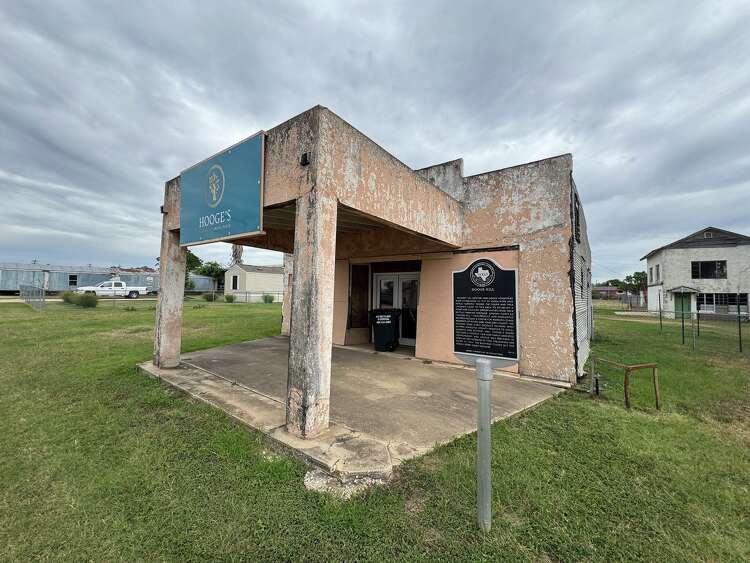
A Glimpse into Texas’ Past: The Enduring Legacy of Prospect Hill Grocery
Long before H-E-B became a beloved staple for Texans and a symbol of the Lone Star State’s grocery culture, small family-run stores were the heart of communities across the state. These local grocers provided fresh, locally-sourced goods to residents in towns both large and small. In Poteet, a quiet town just 30 miles southwest of San Antonio, one such historic site still stands as a reminder of this bygone era.
Prospect Hill Grocery, along with the home that once housed its owners, remains intact at the corner of Avenue H and 10th Street. This unassuming structure, built in 1917, was established by Anna Ripps and Petrus "Alphons" Hooge. Alphons, likely part of the Belgian immigrant Hooge family who arrived in the San Antonio area in the 1890s, played a significant role in cultivating crops and educating members of the Belgian colony. According to historical records from the University of the Incarnate Word, the Hooges were among the early produce packers who helped transport Atascosa County’s agricultural products to markets far and wide.
The property, known today as “Hooge Hill,” served as a vital hub for working-class residents in Poteet and surrounding areas. The historic marker outside the building describes it as a center for commerce and community, where locals could find fresh produce and everyday essentials. Despite the passage of time, the architecture of the buildings still tells a story of European influence, with large windows, over-grouted brick, and steep wooden rooflines that reflect the craftsmanship of the early 1900s.
While much of the original structure has remained unchanged, some modifications have been made over the decades. For example, glass blocks line the bottom of the downstairs windows, suggesting a different era of use or adaptation. However, the two-story back building still retains many of its original features, offering a glimpse into how these spaces once looked during their prime.
The front of the store, however, presents a different picture. Its exterior is covered in cheap plywood, likely a protective measure for an abandoned building. The simple design of the storefront, including its modest front porch, mirrors the style of mid-20th-century gas stations and auto shops found in other parts of San Antonio. This understated appearance contrasts sharply with the bustling grocery stores of today, which often feature international products and a dizzying array of choices.
The Hooge family lost their patriarch, Alphons, in 1955 and their matriarch, Anna, in 1964. Without their leadership, the store eventually closed its doors. Yet, even though the business no longer operates, the legacy of Prospect Hill Grocery lives on. It stands as a testament to the importance of small, family-owned businesses in shaping the fabric of Texas communities.
Today, as large chains dominate the grocery landscape, it’s refreshing to remember the days when local stores offered more than just food—they provided a sense of connection, fairness, and community. Prospect Hill Grocery serves as a quiet reminder of that era, inviting passersby to pause and reflect on the history that shaped the region.
A plaque placed in 2016 honors the Hooge family’s contributions, stating, “Mrs. Hooge's store provided a friendly, fair and family-oriented environment. The business closed, but the Hooge store legacy remains.”
Though the store may be abandoned, its story continues to inspire those who take the time to learn about the past. It stands not only as a historic landmark but also as a symbol of resilience, community, and the enduring spirit of Texas.

Post a Comment for "A Lost Texas Town's Vintage Grocery Gem"
Post a Comment