A Google AI Pioneer Says It's Too Late to Pursue a Ph.D. for AI Riches
The AI Talent Race and the Debate Over Education
The rapid evolution of artificial intelligence has sparked a fierce competition among tech companies to attract top talent. Giants like Meta have been known to offer substantial signing bonuses, sometimes reaching into the hundreds of millions, to secure skilled professionals. However, amidst this high-stakes race, some industry leaders are questioning whether traditional educational paths, such as earning a Ph.D., are still the best route for aspiring AI professionals.
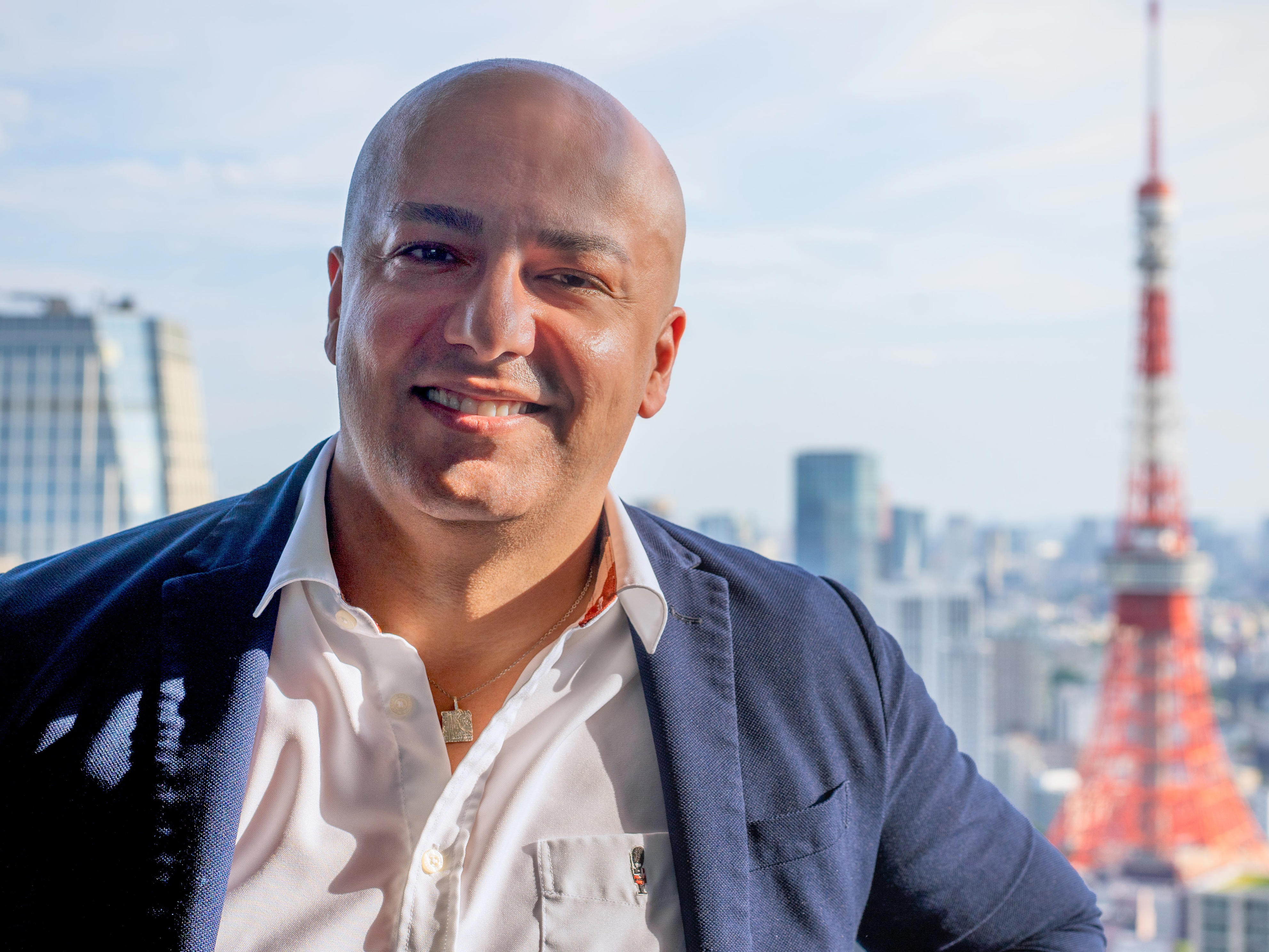
Jad Tarifi, who played a pivotal role in establishing Google's first generative AI team, now serves as the CEO of his own AI startup, Integral AI. He recently shared his thoughts on the topic, emphasizing that pursuing a doctorate solely for financial gain is not advisable. According to Tarifi, the field of AI is evolving so quickly that by the time someone completes their Ph.D., the landscape may have already shifted significantly.
"AI itself is going to be gone by the time you finish a Ph.D. Even things like applying AI to robotics will be solved by then," Tarifi explained. He suggested that individuals should consider niche areas, such as AI for biology, which is still in its early stages, or simply avoid entering the field altogether if they're unsure about their passion.
Tarifi, who earned his Ph.D. in AI from the University of Florida in 2012, joined Google in the same year and spent nearly a decade with the company before launching his startup in 2021. He described the process of earning a Ph.D. as an ordeal that only "weird people" — much like himself — should undertake. This path requires sacrificing five years of one's life and enduring significant challenges.
"I don't think anyone should ever do a Ph.D. unless they are obsessed with the field," he said. In today’s fast-paced world, he believes that achieving success outside of formal education can be more effective.
"If you are unsure, you should definitely default to 'no,' and focus on just living in the world," Tarifi added. He emphasized that focusing on real-world experiences allows individuals to move faster, learn more, and adapt better to changing circumstances.
Tarifi also expressed concerns about other long-term degree programs, such as those in law and medicine. He pointed out that medical education often relies heavily on memorization, which can become outdated quickly. As a result, individuals might end up investing eight years of their lives without gaining practical value.
The Importance of Soft Skills in the Age of AI
As AI continues to reshape industries, Tarifi highlighted the growing importance of soft skills, such as social skills and empathy. While technical knowledge can be acquired through various means, the ability to interact effectively with others and understand emotional nuances becomes crucial in leveraging AI tools.
"The best thing to work on is more internal. Meditate. Socialize with your friends. Get to know yourself emotionally," Tarifi said. He argued that these personal development aspects are essential for thriving in an AI-driven world.
Tarifi also noted that one doesn’t need to master every detail of AI to succeed in the industry. Despite holding a Ph.D. in AI, he admitted that he doesn’t fully understand how the latest microprocessors work. He used the analogy of driving a car: while you don’t need to know every component, understanding what to do in case of a problem is sufficient.
Emphasizing Passion and Expertise
Tarifi isn’t alone in advocating for a shift toward passion-driven careers. Paul Graham, founder of Y Combinator, echoed similar sentiments in a recent post. He stated that low-level programming jobs are already disappearing due to AI's efficiency in handling repetitive tasks.
"So I think the best general advice for protecting oneself from AI is to do something so well that you're operating way above the level of scutwork," Graham wrote. He further emphasized that excelling in a field requires deep interest and commitment.
In conclusion, the future of work in the age of AI is increasingly favoring those who can adapt, innovate, and bring unique perspectives to the table. Whether through formal education or hands-on experience, the key lies in finding a path that aligns with one’s passions and strengths.

Post a Comment for "A Google AI Pioneer Says It's Too Late to Pursue a Ph.D. for AI Riches"
Post a Comment