A Breakthrough or a Burden? The U.S.-EU Trade Deal's Impact on the Auto Industry
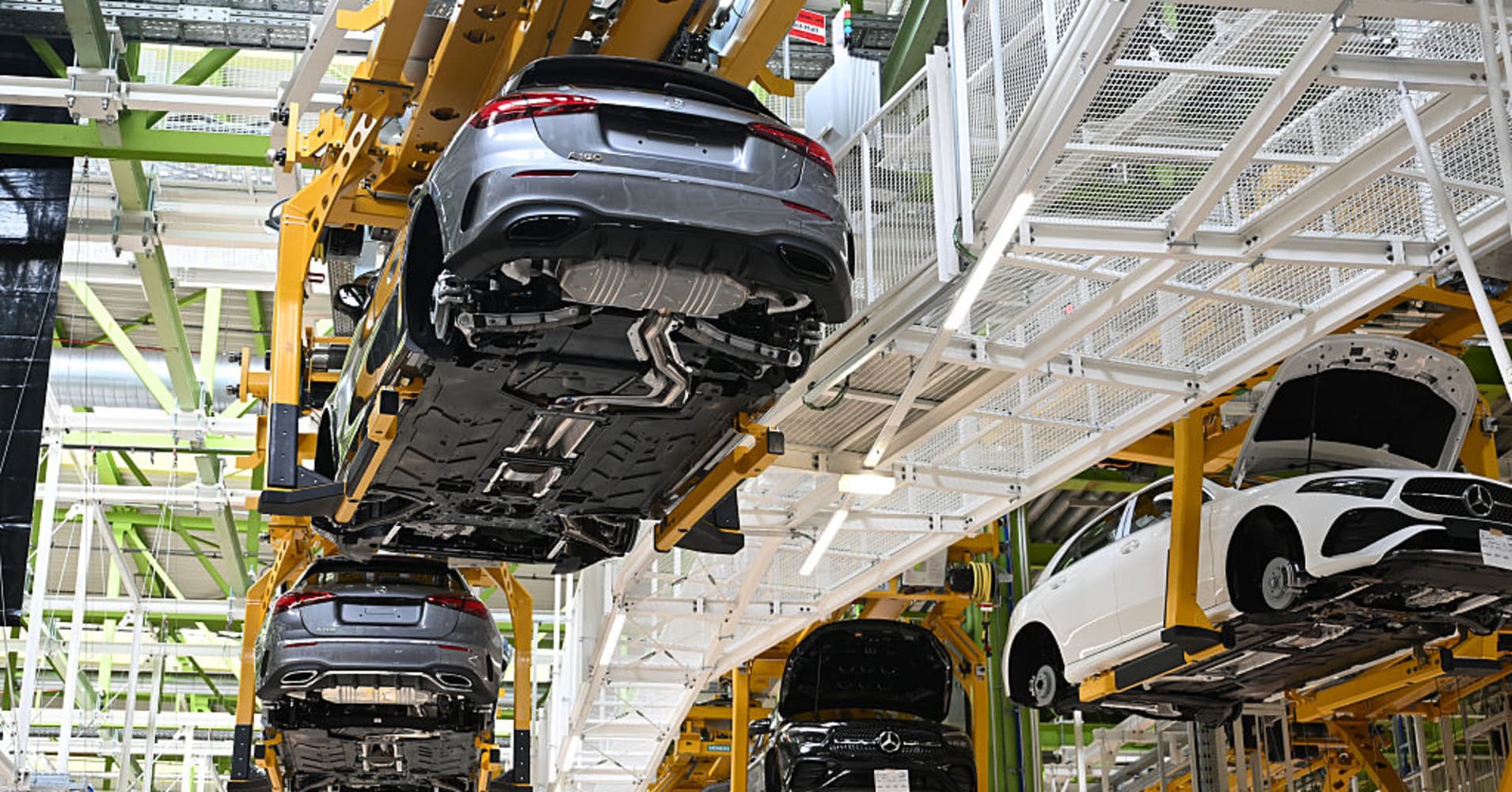
U.S.-EU Trade Agreement Brings Relief, but Challenges Remain
The United States and the European Union have reached a significant trade agreement that will see Washington impose a 15% tariff on most goods imported from Europe. This deal marks a major shift in transatlantic trade relations, particularly for the automotive sector. While industry groups have welcomed the agreement as a step toward stability, concerns about its long-term impact persist.
The U.S. administration has described the deal as the largest trade agreement ever made, emphasizing its benefits for the automotive industry. The new tariff rate is a substantial reduction from the previously proposed 30% and nearly halves the existing 27.5% tariff on European auto products. However, despite this relief, the 15% rate is still seen as a burden for many companies.
Industry Reactions and Concerns
The German Association of the Automotive Industry (VDA) expressed cautious optimism about the agreement, calling it "fundamentally positive" in avoiding a potential trade dispute. However, VDA President Hildegard Müller warned that the 15% tariff will cost German automakers billions annually, adding pressure during a critical period of industry transformation.
Müller emphasized the need for clear and reliable implementation of the agreement, urging the EU to create favorable conditions for investors and businesses. She also called for support for automotive supply chains, which are vital to maintaining competitiveness.
Similarly, the European Automobile Manufacturers Association (ACEA) welcomed the agreement as an important step in reducing uncertainty. However, ACEA Director-General Sigrid de Vries noted that the U.S. will continue to impose higher tariffs on automobiles and parts, which could negatively affect both European and American manufacturers.
Economic Impact and Market Responses
Rico Luman, a senior economist at ING, pointed out that while the 15% tariff is better than the previous 27.5%, it still represents a significant financial challenge for automakers. He explained that margins are already under pressure due to multiple market challenges, and passing on the full cost to consumers could lead to volume losses.
Luman also highlighted the weakening dollar, which makes U.S. car imports more expensive and complicates matters for global automakers. As a result, many companies are exploring ways to adjust their manufacturing strategies within existing facilities.
Winners and Losers in the Market
The stock market showed mixed reactions to the news. The Stoxx Europe autos index initially rose by as much as 1.6% before falling into negative territory. French car parts supplier Valeo saw a 4.4% increase, while luxury Italian carmaker Ferrari gained around 1%. However, German automakers such as BMW, Volkswagen, and Mercedes-Benz all fell by more than 1%.
Equity analyst Rella Suskin from Morningstar noted that the deal may benefit EU automakers with a larger share of imports from Europe. She cited Porsche, Mercedes, BMW, and Volkswagen as the most likely beneficiaries, in that order. In contrast, Stellantis, which imports a smaller percentage of its vehicles from the EU, is expected to see minimal gains.
Ongoing Uncertainties
While the agreement provides some relief, it leaves many questions unanswered. Industry groups are closely examining the details of the framework to understand the full implications. The coming months will be critical for automakers as they navigate the new tariff landscape and adjust their strategies accordingly.
Overall, the U.S.-EU trade deal represents a complex balance between reducing trade tensions and addressing ongoing economic challenges. For now, the automotive industry remains cautiously optimistic, but the road ahead is filled with uncertainties.

Post a Comment for "A Breakthrough or a Burden? The U.S.-EU Trade Deal's Impact on the Auto Industry"
Post a Comment