A 70-Year-Old Hitchcock Classic Gets a Tech Overhaul in This So-Bad-It's-Good Thriller
A New Take on a Classic: The Struggles of '9 Windows'
Alfred Hitchcock, one of the most influential filmmakers in cinematic history, has left an indelible mark on the world of film. Among his many masterpieces, 1954’s Rear Window stands out as a groundbreaking work that continues to inspire and captivate audiences. The film follows L.B. "Jeff" Jefferies, a photographer confined to a wheelchair who becomes obsessed with watching his neighbors from his apartment window. What begins as simple voyeurism turns into a gripping mystery when Jeff suspects one of his neighbors has committed murder.
Hitchcock's ability to craft tension and suspense through simplicity is unparalleled, and Rear Window remains one of his most celebrated films. Over the decades, numerous filmmakers have attempted to recreate the magic of this one-location thriller, often with mixed results. Movies like Disturbia (2007), starring Shia LaBeouf, have offered modern twists on the classic, though none have matched the genius of Hitchcock himself. Even a remake by Jeff Bleckner, featuring Christopher Reeve, couldn’t quite capture the essence of the original. Despite these challenges, the urge to reimagine Rear Window persists, and the latest attempt comes in the form of the low-budget screenlife thriller 9 Windows.
What Is '9 Windows' About?
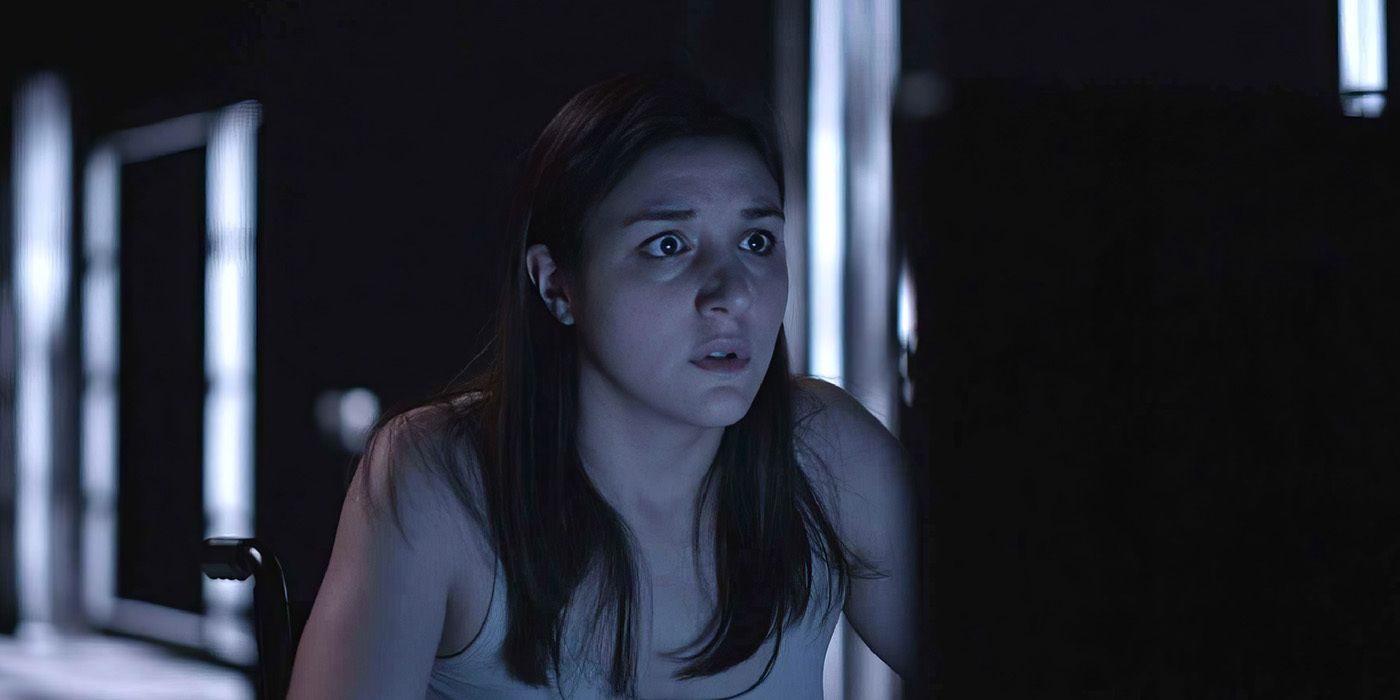
Currently available on Tubi, 9 Windows tells the story of Liza, a young woman who loses her parents in a car accident and becomes wheelchair-bound. Like Jimmy Stewart’s character in Rear Window, Liza finds herself observing others, but instead of peering out of a window, she turns to social media to vent her grief and anger, becoming a cyberbully in the process. When she witnesses what she believes to be a real-life murder online, she embarks on a mission to uncover the truth before more lives are lost.
The premise sounds intriguing, but the execution falls short. Screenlife thrillers have gained popularity over the last decade, with films like The Den (2013), Searching (2018), and Missing (2023) using technology-driven narratives to keep audiences engaged. 9 Windows, however, diverges from this format by incorporating multiple screens and scenes outside of Liza’s digital world. This approach, while intended to add depth, ultimately weakens the film’s impact, as it fails to establish a clear identity or maintain the suspense that defines the genre.
A Disastrous, Often Cringe-Worthy Film
Despite its ambitious concept, 9 Windows is a glaring example of a film that struggles to deliver on its promise. While there are moments of decent practical effects, such as the use of blood, the majority of the film feels unconvincing and poorly shot. It often resembles the kind of content one might watch on a Hallmark Channel afternoon, rather than a serious cinematic effort.
The performances are equally underwhelming. Diana Garle, who plays Liza, tries her best but delivers clunky and awkward dialogue that fails to convey the emotional weight of her character. Her chemistry with co-star Christopher Millan is also lacking, making their interactions feel forced and unconvincing. The script, written by director Lou Simon, relies on tired tropes and lacks energy, failing to create a compelling narrative.
The film attempts to address the dangers of cyberbullying and our reliance on social media, but it only scratches the surface of these issues. In comparison, Unfriended (2014) tackled similar themes with more intensity and emotional impact, even if it veered into absurdity at times. 9 Windows feels redundant and unoriginal, especially when compared to the works that inspired it.
A "So Bad, It's Good" Experience
While 9 Windows may not succeed in delivering the suspense of Rear Window or the emotional depth of Unfriended, it does offer some entertainment value for fans of B-movies. There are moments where the film’s absurdity and poor acting become so cringe-worthy that they turn into unintentional comedy. For those in the right mood, 9 Windows could be an amusing way to spend an evening.
However, the film’s potential is wasted. It had the opportunity to explore the darker side of technology and social media in a meaningful way, but instead, it falters at every turn. The character of Liza is frustrating and unlikable, and her redemption arc feels forced and unearned. Unlike Hitchcock, who skillfully used Jeff’s voyeuristic tendencies to engage the audience, 9 Windows never manages to make Liza a compelling protagonist.
In conclusion, 9 Windows is a disappointing attempt to rework a classic, falling far short of its inspirations. While it may appeal to fans of low-budget horror, it ultimately fails to deliver the magic that made Rear Window a timeless masterpiece.

Post a Comment for "A 70-Year-Old Hitchcock Classic Gets a Tech Overhaul in This So-Bad-It's-Good Thriller"
Post a Comment