911 Callers Hear Recording During Crises, But AI Solution Looms
The 911 System and the Challenges of Emergency Calls
When an accident occurs, most people instinctively reach for their phones to call 911. However, in certain situations, this action can lead to unexpected outcomes. A recent incident in Onondaga County, New York, highlights the challenges that emergency call centers face when handling a surge of calls during critical moments.
Retired firefighter Bradley Hudson experienced this firsthand when he called 911 after hearing a church fire alarm. Instead of speaking with a live operator, he was greeted by a recorded message. The message instructed him to stay on the line and wait for the next available calltaker. “To my surprise, I was put on hold. It was just a recording that told me to stay on the line,” Hudson said.
The message he heard stated: “You have reached the Onondaga County 911 Center. Do not hang up. The next available calltaker will answer your call. If you hang up and call back, your wait time could be extended.” After waiting a few minutes and hearing nothing, Hudson decided to hang up and call back. Unfortunately, by the time he did, the alarm had already stopped.
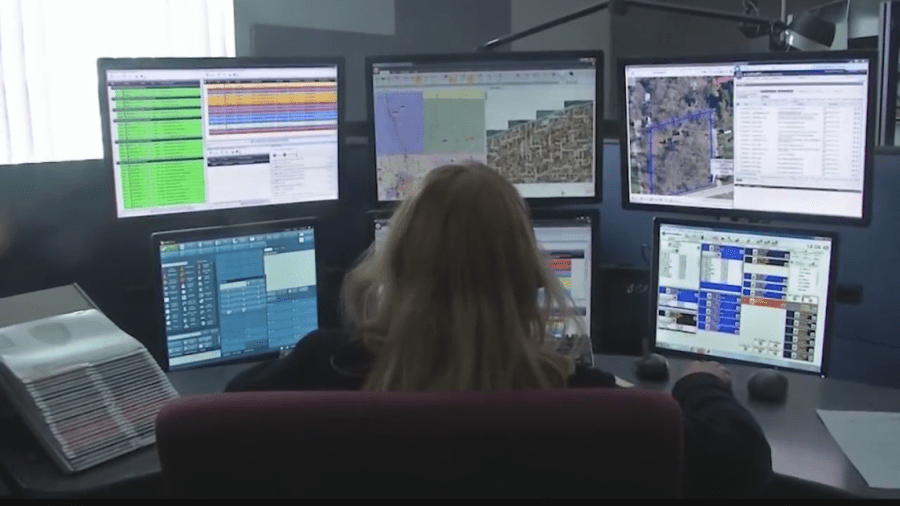
This situation coincided with a major incident on I-481, which triggered a massive influx of 911 calls. Ann Rooney, Onondaga County Deputy County Executive, explained that such surges are not uncommon. “Everybody driving has a phone in their car, we will get multiple calls for that one incident, that then, the calltakers are working on the same call. They clear them as quickly as possible and resume the other calls. So yes, it can be shocking, but the message has to be, please hold on, don’t hang up, because you will lose that place in line.”
Rooney acknowledged that while these surges are rare, they do happen. She also emphasized the importance of patience from callers. “Typically, that call will be answered in 10 to 20 seconds, but we absolutely understand the state people are in when they’re having to call 911. So we ask, first and foremost, please don’t hang up and your call will be answered as quickly as we can get to it.”
Looking ahead, Rooney mentioned that a potential solution is on the way. The county plans to implement artificial intelligence (AI) to help manage the increased volume of calls. “The hope is that no one will get that message when the AI is implemented,” she said. However, Hudson believes there is more that can be done. “Think about better ways of communicating with someone who is on hold,” he suggested.
Rooney confirmed that she has reviewed the message since the inquiry was made. “If we made one change, it may be just to repeat the information,” she said. “As a reminder, please do not hang up, maybe the change we make.”
In terms of staffing, Rooney noted that the 911 center has made significant progress since the pandemic. “We are almost fully staffed, but there are still lots of trainings at the 911 center,” she added.
Future Improvements and Public Concerns
While the current system works under normal circumstances, the need for improvements is clear. The introduction of AI is a step in the right direction, but public concerns remain. Many callers want reassurance that their calls will be handled efficiently, especially during emergencies.
Hudson’s experience highlights the importance of clear communication and reliable service. As technology evolves, so too must the systems that support emergency response. The goal is to ensure that every caller receives the assistance they need without unnecessary delays or confusion.
For now, the focus remains on improving the 911 system to handle surges in calls more effectively. With ongoing efforts to enhance staffing, training, and technological capabilities, the hope is that future incidents will be met with faster and more efficient responses.

Post a Comment for "911 Callers Hear Recording During Crises, But AI Solution Looms"
Post a Comment