9 Sci-Fi Classics That Transformed the Genre Like 2001: A Space Odyssey
A Legacy of Innovation in Science Fiction
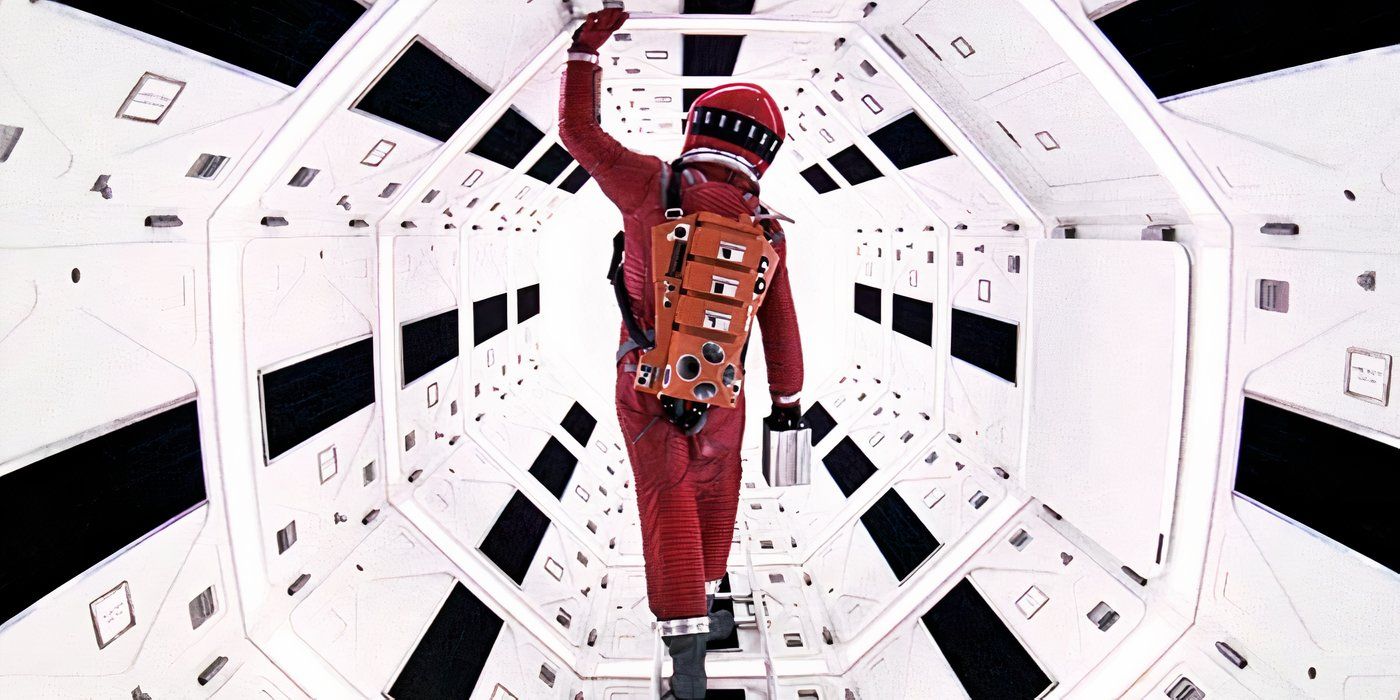
Science fiction has always been a genre that pushes the boundaries of imagination, and while 2001: A Space Odyssey is often seen as the pinnacle of this genre, it is far from the only film to have reshaped how we view science fiction. From its early beginnings to modern blockbusters, several films have made significant contributions by introducing new storytelling techniques, visual effects, and themes that continue to influence the industry today.
Planet of the Apes (1968)
Released in the same year as 2001: A Space Odyssey, Planet of the Apes proved that sci-fi could be more than just a spectacle. The film's groundbreaking makeup work transformed actors into believable apes, setting a new standard for special effects. Beyond its visual achievements, the movie also tackled social issues, using its dystopian setting to explore themes like racism and environmental destruction. This approach paved the way for future sci-fi films to address real-world concerns through speculative narratives.
Children of Men (2006)
Directed by Alfonso Cuarón, Children of Men offered a bleak yet compelling vision of the near future, where humanity faces extinction. What set the film apart was its immersive filmmaking style, using handheld cameras and long takes to create a sense of realism. This grounded approach influenced later films like Snowpiercer and The Last of Us, proving that sci-fi could be both visually stunning and emotionally resonant.
Avatar (2009)
James Cameron’s Avatar revolutionized the use of motion capture technology, creating a fully realized alien world with lifelike characters. Despite criticism for its story, the film’s visual innovation opened new possibilities for sci-fi storytelling. It demonstrated that motion capture could be used effectively without falling into the "uncanny valley," leading to more realistic and emotionally complex characters in subsequent films.
Blade Runner (1982)
Though initially a commercial failure, Blade Runner eventually became a cult classic and a cornerstone of the cyberpunk subgenre. Directed by Ridley Scott, the film blended noir elements with futuristic settings, creating a dark and atmospheric vision of the future. Its influence can be seen in movies like The Matrix and Akira, and it helped redefine how sci-fi stories could be told with mood and depth.
The Terminator (1984)
James Cameron’s The Terminator introduced the concept of time travel as a central plot device, which would become a staple of sci-fi storytelling. The film also popularized the idea of killer robots, influencing countless other films and TV shows. Arnold Schwarzenegger’s performance as the T-800 became iconic, helping to establish the trope of machines turning against their creators.
Alien (1979)
Ridley Scott’s Alien redefined the sci-fi horror genre, blending suspense and terror in a way that had not been done before. The film’s terrifying xenomorph design and realistic tone set a new standard for sci-fi horror. It also emphasized the psychological aspects of fear, making it one of the most enduring entries in the genre.
The Matrix (1999)
The Wachowskis’ The Matrix combined elements of previous sci-fi films with original ideas, creating a unique and visually striking experience. The film’s innovative use of "bullet time" and its philosophical themes made it a landmark in the genre. It also inspired future films like Inception, showing that sci-fi could tackle big ideas within a blockbuster framework.
Metropolis (1927)
As one of the earliest science fiction films, Metropolis laid the groundwork for many of the genre’s tropes. Its futuristic cityscapes and themes of artificial intelligence influenced countless films over the decades. The movie also addressed social inequality, proving that sci-fi could be a powerful medium for discussing real-world issues.
Star Wars (1977)
George Lucas’ Star Wars transformed science fiction from a niche interest into a global phenomenon. By blending space opera with mythic storytelling, the film created a rich and expansive universe that continues to inspire new generations of filmmakers. Its impact can be seen in franchises like Dune and Guardians of the Galaxy, proving that sci-fi can be both epic and accessible.

Post a Comment for "9 Sci-Fi Classics That Transformed the Genre Like 2001: A Space Odyssey"
Post a Comment