8 Natural Solutions to Stop Bladder Leaks
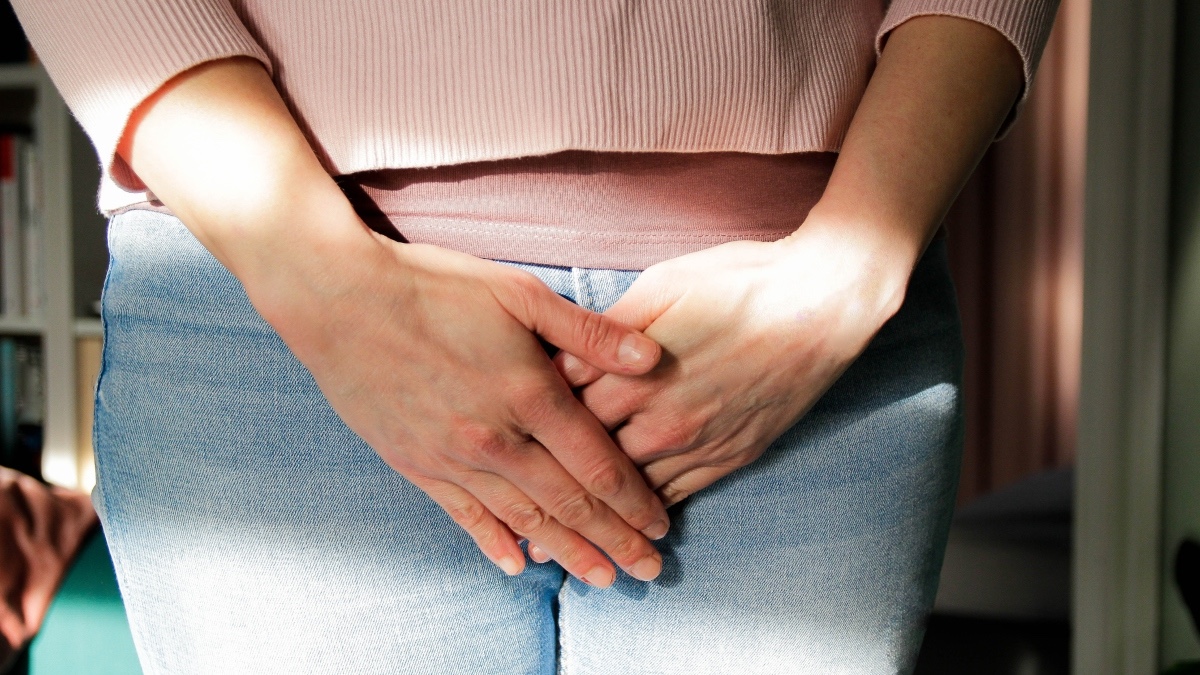
Understanding Urinary Incontinence
Urinary incontinence is a condition that involves the involuntary loss of urine. It can range from occasional leaks to a complete inability to control urination. This issue often becomes more common with age, affecting up to 75 percent of women over the age of 65. Fortunately, there are several treatment options available that can help manage or even eliminate symptoms.
Types of Urinary Incontinence
There are four main types of urinary incontinence:
- Stress Incontinence: This occurs when physical activities like laughing, coughing, sneezing, or exercising cause leakage. It's often due to weakened pelvic muscles.
- Urge Incontinence: Also known as overactive bladder (OAB), this involves a sudden and intense urge to urinate that can lead to leaks. It may be caused by nerve issues between the bladder and brain.
- Mixed Incontinence: This is when a person experiences both stress and urge incontinence.
- Overflow Incontinence: This happens when the bladder doesn't empty completely, leading to constant dribbling. An overly full bladder is usually the cause.
Common Causes of Urinary Incontinence
Urinary incontinence can have various causes, including:
- Pelvic Muscle Weakness: This can result from aging, pregnancy, or chronic constipation.
- Menopause: The loss of estrogen during menopause can weaken bladder tissues.
- Diabetes: Nerve damage from diabetes can affect bladder function.
- Medications: Certain drugs such as diuretics, antihypertensives, and sedatives can contribute to incontinence.
Natural Treatment Options for Urinary Incontinence
Before seeking medical treatment, it's important to consult with a healthcare provider for an accurate diagnosis. Here are some natural approaches that may help:
1. Increase Fiber Intake
Fiber-rich foods like oats, beans, and berries can help prevent constipation, which can contribute to bladder control issues. Aim for 25 to 30 grams of fiber daily to support digestive health.
2. Avoid Bladder Irritants
Caffeine, alcohol, spicy, and acidic foods can worsen incontinence symptoms. Limiting these can help reduce discomfort.
3. Practice Mindfulness
A study found that mindfulness techniques can help relax the bladder and reduce incontinence episodes. Focus on your breathing for at least 30 seconds each day.
4. Strengthen Pelvic Floor Muscles
Kegel exercises can improve muscle tone and provide better support to the bladder and urethra. Tighten your pelvic floor muscles for five seconds, then relax for five seconds, repeating this several times a day.
5. Use the "Knack" Technique
When lifting heavy objects, squeeze your pelvic floor muscles before and during the lift. This technique can help prevent leaks caused by pressure on the bladder.
6. Incorporate Magnesium-Rich Foods
Black beans, which are rich in magnesium, can help keep the bladder healthy. Magnesium can calm the muscles of the bladder wall, preventing contractions that lead to leakage.
7. Engage in Yoga and Stretching
Practicing relaxed yoga poses and stretches can strengthen the inner thighs, hips, and glutes. This can improve bladder control and overall pelvic health.
8. Stay Hydrated
Drinking enough water is essential for bladder health. Dehydration can lead to concentrated urine, which can irritate the bladder. Aim for pale yellow or clear urine to indicate proper hydration.
9. Avoid Holding Urine
Urinating every three to six hours can help retrain the bladder and brain interaction. When using the bathroom, try double voiding to fully empty the bladder.
Advanced Treatment Options
If natural methods don't provide sufficient relief, advanced medical treatments may be necessary. These include:
- Medication: Oral medications or topical estrogen can help manage symptoms related to hormonal changes.
- Surgery: Procedures such as bladder Botox injections, periurethral bulking, sling placement, percutaneous tibial nerve stimulation, and sacral neuromodulation can offer significant relief.
It's important to discuss all treatment options with a healthcare provider to determine the best course of action. Remember, urinary incontinence is common but not necessarily normal, and seeking professional advice can lead to effective solutions.

Post a Comment for "8 Natural Solutions to Stop Bladder Leaks"
Post a Comment