7 Reasons to Go Electric in Retirement
Benefits of Switching to an Electric Vehicle in Retirement
As you approach your retirement years, it’s natural to consider ways to reduce expenses and simplify your daily life. One effective way to achieve this is by switching from a traditional gasoline-powered vehicle to an electric one. The advantages of owning an electric vehicle (EV) extend beyond just cost savings—they also offer convenience, safety, and environmental benefits that can greatly enhance your quality of life.
Cost Savings Over Time
One of the most significant benefits of an EV is the potential for long-term cost savings. Gasoline prices have been fluctuating over the past year, typically ranging between $3 and $3.50 per gallon. These fluctuations can make budgeting difficult, but with an EV, fuel costs are more predictable and significantly lower. According to the National Renewable Energy Laboratory, EV owners can save up to $14,500 on fuel costs over 15 years. The exact amount of savings depends on factors like where you live and how much you drive.
Improved Charging Infrastructure
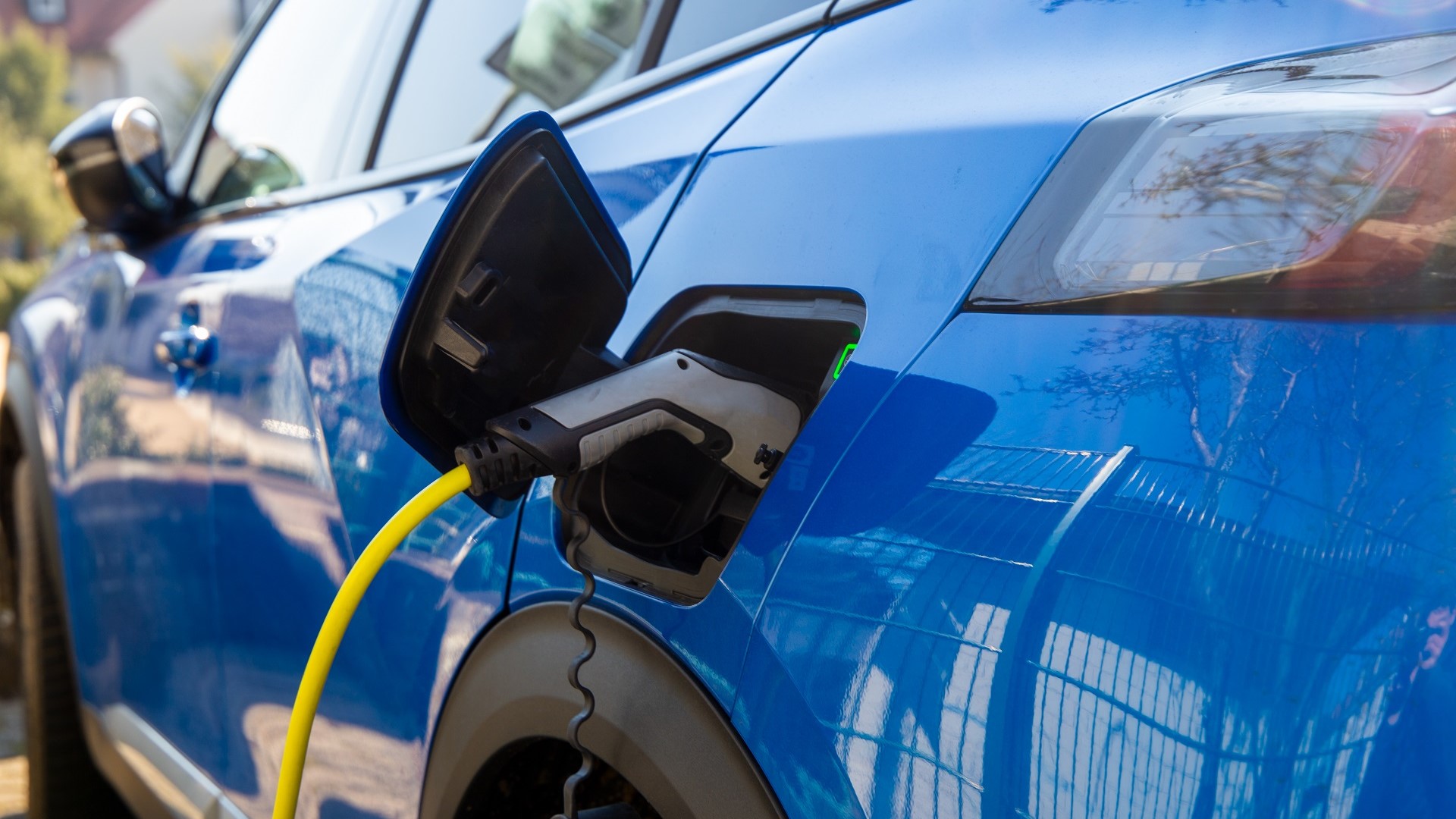
Charging an EV has become increasingly convenient, thanks to the expansion of public charging stations. Globally, the number of public charging stations has doubled since 2022, reaching 5 million. In the United States alone, there was a 20% increase in charging stations in 2024. This means that finding a place to charge your vehicle while on the road is easier than ever. You can also install a home charging station, allowing you to charge your car overnight at a fraction of the cost of gasoline.
Most modern EVs can travel between 248 to 372 miles on a single charge, making them suitable for everyday use. Additionally, battery technology has improved, with many batteries lasting between 12 to 15 years in moderate climates and 8 to 12 years in extreme conditions.
Lower Maintenance Costs
Owning an EV can also lead to significant savings on maintenance. Unlike gas-powered cars, EVs don’t require oil changes, air filter replacements, or other routine maintenance tasks. According to AAA, EV owners can save around $330 annually on maintenance costs compared to those with traditional vehicles.
Another advantage is regenerative braking, which captures energy when you apply the brakes and converts it back into electricity. This feature not only improves efficiency but also reduces wear on brake pads, leading to even more savings over time.
Enhanced Safety Features
Electric vehicles are designed with safety in mind. They perform well in crash tests and are often rated as safe or safer than gas-powered cars by organizations like the Insurance Institute for Highway Safety. One key safety benefit is that EVs are far less likely to catch fire. While approximately 500 to 600 gasoline-powered cars catch fire each day, EVs are nearly 60 times less likely to do so due to the protective design of their frames. Even if an EV battery does catch fire, it doesn’t explode like a gasoline fire can.
Environmental Impact
For retirees who care about the environment, switching to an EV is a meaningful step toward reducing their carbon footprint. According to the International Council on Clean Transportation, EVs produce 73% fewer greenhouse gas emissions over their lifetime compared to gas-powered cars. This makes them an excellent choice for those looking to contribute to a cleaner, healthier planet for future generations.
Comfortable Driving Experience
Retirees often prioritize comfort over performance, and EVs deliver in this area. They operate quietly, without the noise and vibrations of an internal combustion engine. This results in a smoother and more pleasant driving experience. Additionally, EVs provide consistent acceleration without the jerky shifts associated with traditional vehicles.
Available Incentives
In addition to cost savings and environmental benefits, EV owners may also qualify for various incentives and rebates. For example, new EVs can come with a federal tax credit of up to $7,500, while used models may be eligible for up to $4,000. There are also tax credits of up to $1,000 for each home charger or energy storage unit, provided certain requirements are met.
Conclusion
Switching to an electric vehicle offers a range of benefits that align well with the lifestyle of retirees. From financial savings and reduced maintenance to enhanced safety and environmental responsibility, EVs provide a practical and forward-thinking solution for those looking to enjoy their golden years with greater ease and comfort.

Post a Comment for "7 Reasons to Go Electric in Retirement"
Post a Comment