66-Million-Year-Old Dinosaur Fossils Found in Remote Canadian Mountains
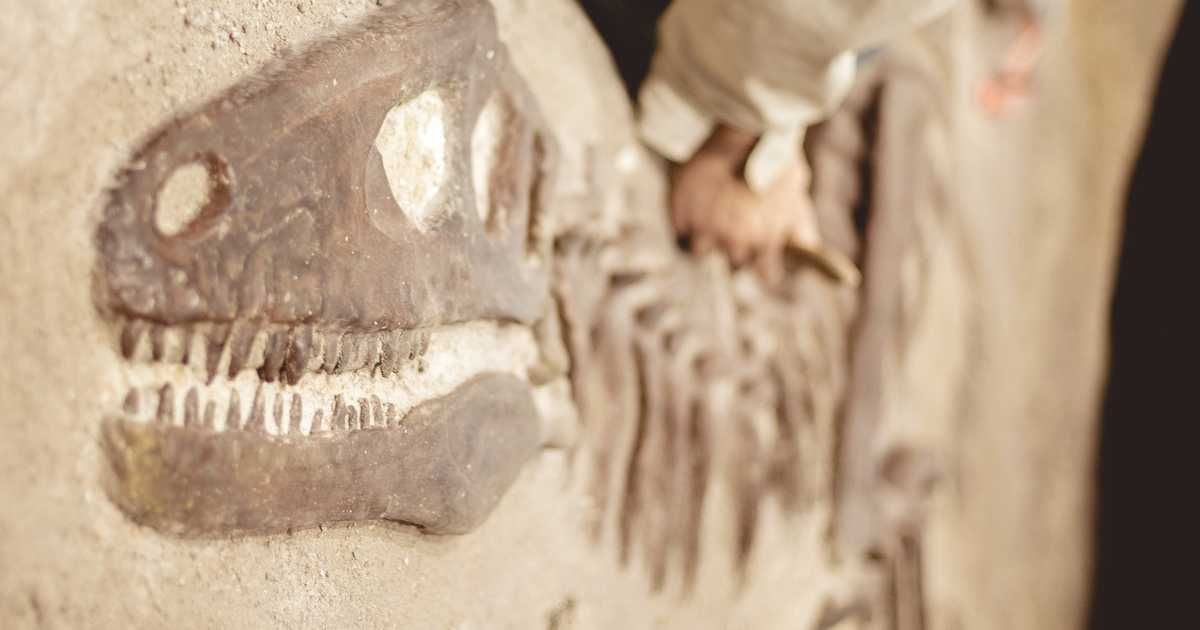
A Groundbreaking Discovery in the Canadian Rockies
Deep within the remote and rugged mountains of northern British Columbia, Canada, a team of scientists has made an extraordinary discovery that could reshape our understanding of prehistoric life. Fossils dating back 66 million years have been unearthed in this isolated region, offering a rare glimpse into the world of dinosaurs that once roamed these high-altitude landscapes.
The Spatsizi Plateau Wilderness Park, covering nearly 2,697.54 square miles (700,000 hectares), is one of Canada’s most expansive and untouched natural areas. Known as the "Serengeti of the North," it is home to a rich variety of wildlife, including mountain goats, grizzly bears, caribou, wolves, and over 140 species of birds. During a recent expedition on a remote mountaintop within the park, paleontologists uncovered more than 90 dinosaur fossils, some of which may represent entirely new species.
The Mother Lode of Fossils
Among the significant finds were teeth from relatives of the Tyrannosaurus rex and Triceratops, as well as bones from a duck-billed herbivore and a small meat-eating dinosaur related to the Velociraptor. Victoria Arbour, curator of paleontology at the Royal BC Museum and lead researcher on the project, described the site as a “mother lode of fossils.” This discovery is particularly intriguing because the area is not typically associated with such well-preserved remains.
“We’re excited to start figuring out what species we may have found,” said Arbour. “They could be entirely new species not yet known to science.”
New Dinosaur Species Unearthed
The fossils, estimated to be 66 to 68 million years old, include a variety of well-preserved remains from different dinosaur species found in the Sustut Basin. Among the discoveries are teeth from a relative of Tyrannosaurus rex, teeth from a relative of Triceratops, bones from at least one large herbivore, and the foot of a small meat-eater.
Previously, only one species was known from the Sustut Basin: Ferrisaurus sustutensis, British Columbia’s first unique dinosaur. It is part of the provincial paleontology collection managed by the Royal BC Museum. The fossil site is located at an altitude of 2,000 meters and can only be accessed by helicopter. The team has faced numerous challenges, including summer snowstorms and a major wildfire in previous years.
The Future of the Project
Determining the full scope of the discovery will require extensive analysis and interpretation to understand the true extent of the species found. Many of the bones will need to be carefully removed from the surrounding rock by the museum’s fossil preparator.
“This is truly a remarkable discovery that will not only help us to understand more about the dinosaurs who roamed British Columbia, but also highlights the remarkable dedication of this team of researchers,” said Tracey Drake, CEO of the Royal BC Museum.
“As the team continues their critical research, the museum will be thrilled to share their fascinating insights. This process reveals new facets of our province’s history and highlights the importance of ongoing research in uncovering the past,” added Drake.
Over the next few years, researchers will study the fossils at the PARC Campus, a secure home for the province’s collections and research that will open in 2026. This facility will provide a state-of-the-art environment for analyzing and preserving these important discoveries, ensuring that future generations can learn from them.

Post a Comment for "66-Million-Year-Old Dinosaur Fossils Found in Remote Canadian Mountains"
Post a Comment