5 Reasons I Use Separate Speakers for TV and Music
Understanding How Audio Perception Varies
Audio perception is a deeply personal experience. What one person hears when listening to a song or a spoken word can be entirely different from what another person hears. This variation stems from differences in hearing conditions, the way our brains process sound, and individual auditory systems. Additionally, emotional connections play a role in how we interpret sounds. For example, a song that brings joy to one person might evoke sadness in another, altering their overall reaction to the audio.
This means that the way we listen to music and TV audio should not be the same. While it may seem impractical to use separate speaker systems for each, the truth is that they are designed for different purposes. TVs are built to handle dialogue and ambient sounds, while music speakers are engineered to deliver rich, detailed audio. Using the wrong system can lead to a less satisfying experience.
The Differences Between TV Audio and Music
TV audio and music are fundamentally different in terms of design and purpose. It's like comparing apples to oranges. When you watch a movie or a TV show, the audio includes dialogue, background noise, and special effects. These elements are not the same as the layered harmonies, rhythms, and nuances found in music.
Most TV speakers are not built for high-fidelity sound. They lack the advanced settings and components found in dedicated music speakers. For instance, professional music speakers allow users to adjust bass, treble, and equalization for a more immersive experience. TV speakers, on the other hand, are designed to be functional for the average user, not for audiophiles who demand superior sound quality.
Music has a unique ability to evoke emotions and trigger neurochemical reactions in the brain. It engages multiple regions of the brain, making it a more complex and enriching experience compared to listening to spoken words. If you’re playing music through your TV speakers, you might miss out on the full emotional impact the artist intended.
The Benefits of Dedicated Music Speakers
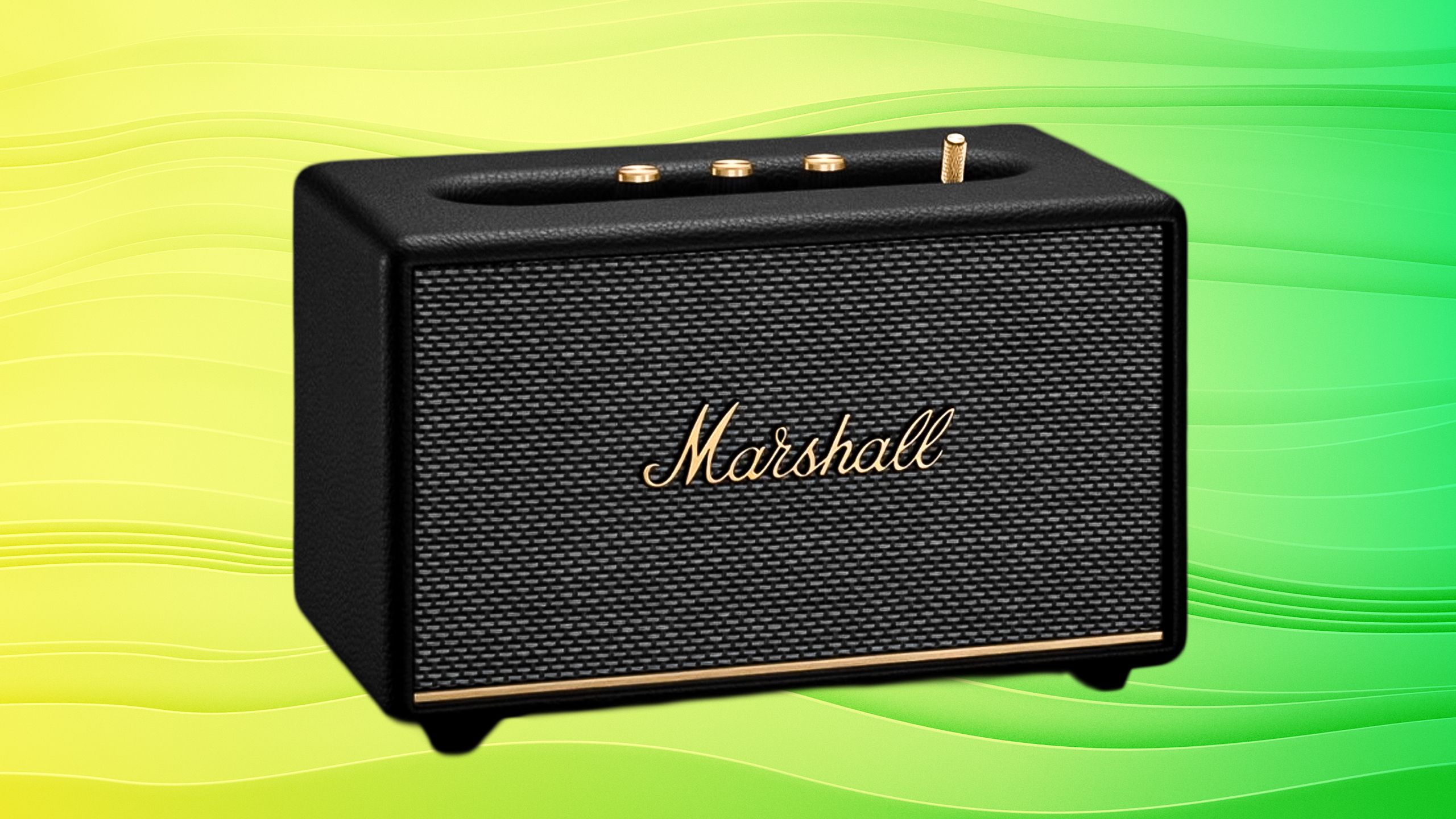
Dedicated music speakers are specifically designed to deliver high-quality audio. They often feature specialized components that enhance clarity, depth, and richness. A pair of quality music-grade speakers can cost at least $300, but the investment is often worth it for those who value audio fidelity. With these speakers, you’ll hear every instrument, vocal nuance, and detail that the artist included in the track.
Unlike TV speakers, which can sometimes distort or blend sounds together, music speakers provide a clear and balanced listening experience. This allows you to enjoy the music as it was meant to be heard. While some people may not care about the difference, the brain is highly sensitive to poor audio quality. It can quickly detect when something sounds off, which can detract from the overall enjoyment of the music.
Enhancing Your TV Audio Experience
If you want to elevate your TV listening experience, consider pairing it with a surround sound system. This setup can create an immersive environment, similar to what you’d experience in a movie theater. Surround sound systems use multiple speakers positioned around the room to deliver audio from different directions, enhancing the sense of presence and realism.
However, not all TVs come with built-in surround sound capabilities. In such cases, you may need to add external speakers to achieve the desired effect. The placement of these speakers is crucial, as it affects how sound waves interact with the room’s acoustics. Factors like room size, furniture layout, and speaker positioning all play a role in determining the final audio quality.
Soundbars: A Practical Alternative
For those looking for a more affordable option, a soundbar can be a great solution. Soundbars are compact units that contain multiple speakers and drivers, often designed with 5.1 or 7.1 configurations. Some models even support Dolby Atmos, providing a more dynamic and immersive audio experience.
Soundbars are ideal for improving TV audio without the complexity of a full surround sound system. They are easy to set up and can significantly enhance the clarity and depth of dialogue and sound effects. However, they are not the best choice for music playback, as they lack the flexibility and tuning options of traditional music speakers.
In conclusion, understanding the differences between TV audio and music is essential for creating the best possible listening experience. Whether you choose to invest in dedicated music speakers, a surround sound system, or a soundbar, the key is to match the equipment to the type of content you’re enjoying. This approach ensures that you get the most out of every audio experience.

Post a Comment for "5 Reasons I Use Separate Speakers for TV and Music"
Post a Comment