5 Key Facts About Trump's AI Regulation Plan
Overview of the AI Action Plan
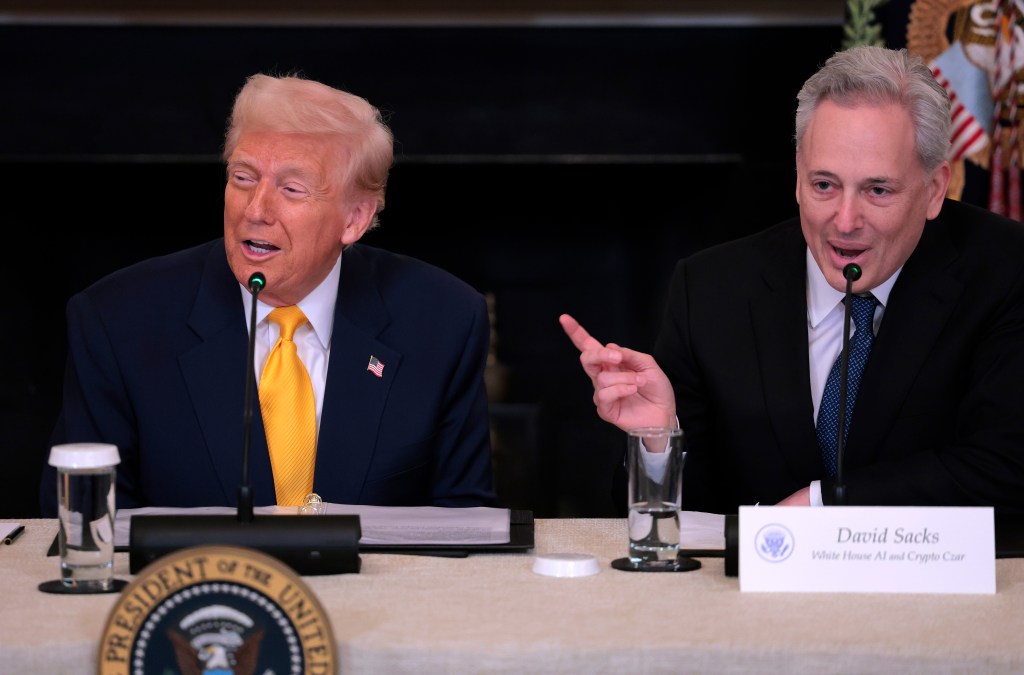
On Wednesday, President Donald Trump unveiled his AI Action Plan, marking a significant shift from the policies of his predecessor, Joe Biden. This move followed Trump's decision to repeal Biden’s extensive executive order on AI shortly after taking office. The new plan was expected to be released in July, with the White House and AI czar David Sacks emphasizing the importance of public input. However, the final 23-page document appears to reflect the interests of major tech companies rather than a comprehensive regulatory framework.
A Shift in Regulatory Approach
Biden’s previous actions were not particularly robust, largely due to legal constraints. Unlike Europe’s AI Act, which has the authority to restrict high-risk AI applications and enforce transparency, Biden’s plan lacked strong enforcement mechanisms. It primarily focused on encouraging tech companies to share information about their models with government agencies before public release. While it aimed to maintain control over tech developments, it was more of a symbolic gesture than a substantial regulation.
Trump’s plan, in contrast, replaces these measures with a minimal regulatory approach. The term "regulation" is used sparingly, often accompanied by negative adjectives like "onerous" or "burdensome." Instead, the plan emphasizes competition, suggesting that tech companies should operate freely without oversight. This aligns with the expectations of influential figures in the tech industry who supported Trump for greater autonomy in developing and deploying AI technologies.
Implications for Infrastructure and Industry
The plan also includes provisions for building American AI infrastructure, with a focus on streamlining permits for data centers, semiconductor manufacturing facilities, and energy infrastructure. However, the environmental impact of these projects remains unclear, as the document highlights the challenges of meeting the required speed for infrastructure development in the U.S.
For Hollywood, the plan offers flexibility, allowing studios and producers to use AI as they see fit. However, it also opens the door for AI companies to encroach on traditional media businesses, raising concerns about the future of creative industries.
China: A Dual Challenge and Opportunity
A notable contradiction in the plan is its stance on China. On one hand, the document positions China as a global competitor that necessitates a lack of regulatory restrictions to maintain technological dominance. On the other hand, it promotes exporting American AI to allies and partners, including China, highlighting the complex relationship between the two nations. Trump recently lifted a ban on Nvidia selling chips to China, signaling a shift in trade policy that benefits tech companies.
While the plan mentions countering Chinese influence in international governance bodies, it does not provide clear definitions or standards for what this entails. This ambiguity underscores the strategic considerations involved in balancing competition and cooperation with China.
Concerns About Ideological Bias
One unexpected focus of the plan is the concern over ideological bias in AI systems. While issues such as bias, hate speech, and misinformation are typically at the forefront of AI safety discussions, the plan introduces a unique angle by emphasizing free speech and objectivity in frontier models. This aspect is largely seen as performative, as it is challenging for even tech companies to monitor and ensure complete neutrality in AI systems.
Potential Resistance and Future Outlook
Despite the plan’s emphasis on deregulation, there may be resistance from certain factions within the Republican Party. Missouri Senator John Hawley, a vocal advocate for tech populism, has expressed concerns about companies like Google exploiting user data. However, his ability to effect meaningful change remains uncertain, as seen in previous legislative efforts.
States continue to play a crucial role in AI regulation, with some, like California, maintaining the potential to impose their own rules. Additionally, ongoing lawsuits, such as the Disney-Midjourney case, highlight the legal challenges surrounding AI usage. As the landscape evolves, adjudication may become a key avenue for addressing regulatory gaps and ensuring responsible AI development.
In conclusion, Trump’s AI Action Plan represents a significant departure from previous policies, favoring a hands-off approach that prioritizes competition and innovation. While it addresses various aspects of AI development, the lack of comprehensive regulation raises questions about the long-term implications for technology, society, and international relations.

Post a Comment for "5 Key Facts About Trump's AI Regulation Plan"
Post a Comment