4 Reasons Chia Seed Water Boosts Health
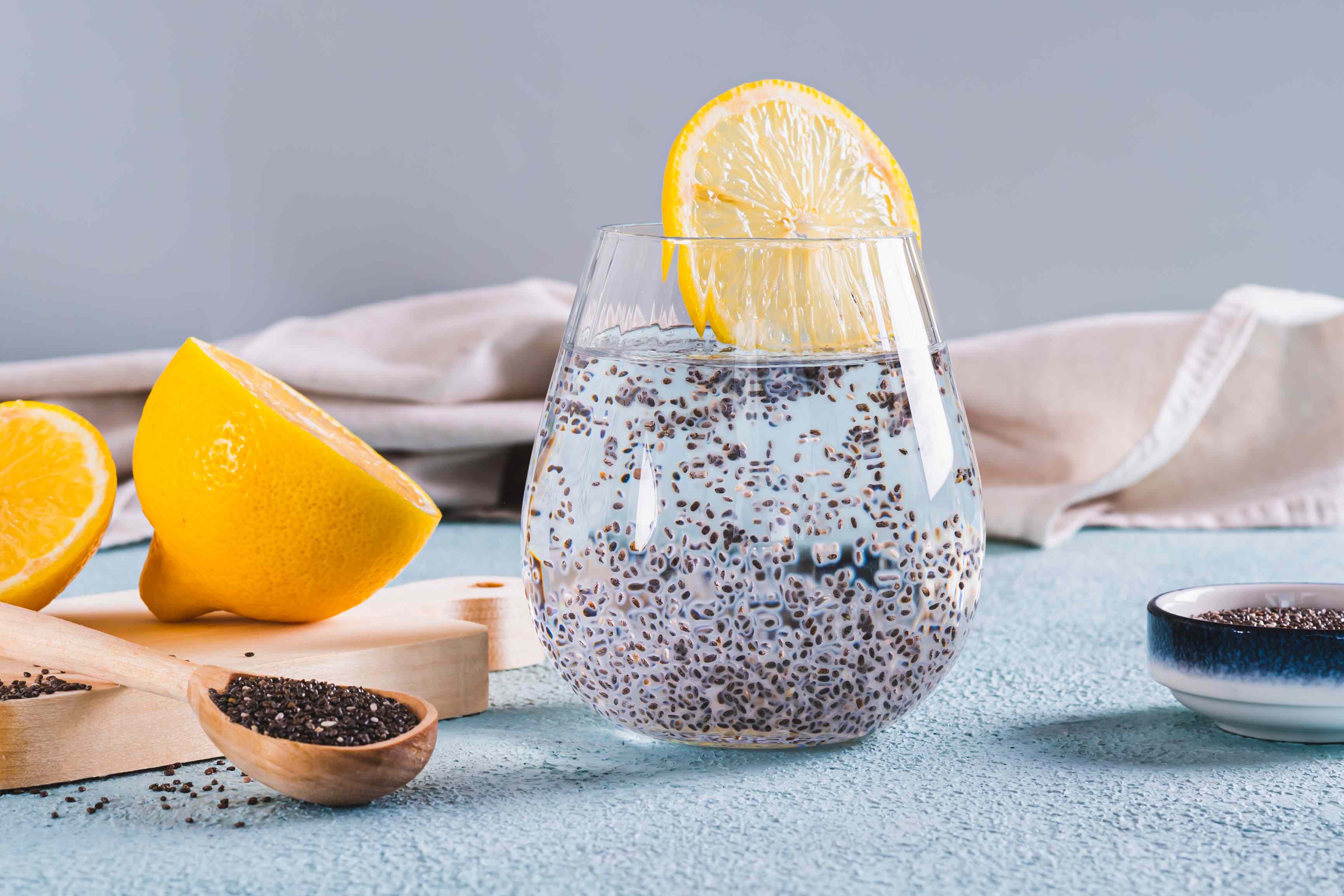
The Rise of Chia Seed Water: A Nutrient-Packed Hydration Option
Chia seed water has gained popularity as a trendy and healthful beverage that supports overall well-being. With its rich content of fiber, plant-based protein, and healthy fats, this drink offers multiple benefits for digestion, heart health, and more. Dietitians and nutrition experts have highlighted the advantages of incorporating chia seeds into your daily routine, making it an appealing choice for those seeking to enhance their diet.
Key Nutritional Benefits of Chia Seeds
Chia seeds are known for their impressive nutrient profile. They are packed with fiber, which plays a crucial role in maintaining digestive health and regulating blood sugar levels. Additionally, they contain plant-based protein and healthy fats, including omega-3 fatty acids, which contribute to heart health. These nutrients work together to support a variety of bodily functions, from improving metabolism to reducing inflammation.
One ounce of chia seeds provides about 35% of the recommended daily value of fiber, making them an excellent source of this essential nutrient. This high fiber content helps promote regularity, manage blood sugar levels, and even support weight management by increasing feelings of fullness.
How Chia Seed Water Supports Digestive Health
Chia seeds are a great source of both soluble and insoluble fiber. Soluble fiber absorbs water and forms a gel-like substance in the digestive tract, while insoluble fiber adds bulk to stool and helps move waste through the intestines more efficiently. When mixed with water, chia seeds create a gel-like texture that can help soften stools, making them easier to pass. This can be particularly beneficial for individuals experiencing constipation.
On the flip side, chia seed water may also help those with loose stools. The seeds absorb excess liquid in the colon, helping to regulate bowel movements. This dual benefit makes chia seed water a versatile option for supporting digestive health.
Blood Sugar Regulation and Energy Stability
The fiber content in chia seeds not only aids digestion but also plays a role in managing blood sugar levels. By slowing down the absorption of carbohydrates from meals, fiber helps prevent sharp spikes and crashes in blood sugar. This can be especially beneficial for individuals with diabetes or those looking to maintain steady energy levels throughout the day.
Amanda Sauceda, MS, RD, explains that this effect can reduce feelings of hunger and irritability, commonly referred to as “hangry.” Incorporating chia seed water into meals or snacks can help support a more balanced and sustained energy flow.
Weight Management and Satiety
While chia seed water is not a magic solution for weight loss, it can be a helpful addition to a balanced diet. The combination of fiber, protein, and healthy fats in chia seeds promotes a feeling of fullness, which can reduce cravings and prevent overeating. This can be particularly useful for individuals trying to manage their weight or control their food intake.
Heart Health Benefits
Chia seed water contributes to heart health in several ways. It increases hydration, provides fiber, and delivers omega-3 fatty acids and antioxidants. These components work together to support cardiovascular function and reduce the risk of heart disease. Studies have shown that chia seeds may help lower inflammation, improve waist circumference, and reduce blood pressure—key factors in maintaining a healthy heart.
The anti-inflammatory properties of chia seeds are largely attributed to their high levels of alpha-linolenic acid (ALA) and other natural antioxidants like quercetin and kaempferol. These compounds help protect the body from oxidative stress and support long-term heart health.
Nutrition Facts of Chia Seeds
According to the USDA, one ounce (about 2 tablespoons) of chia seeds contains:
- Calories: 138
- Carbohydrates: 11.9 g
- Fiber: 9.8 g
- Protein: 4.7 g
- Total Fat: 8.7 g
- Iron: 2.2 mg
- Magnesium: 95.1 mg
This nutrient-dense profile makes chia seeds a valuable addition to any diet, whether consumed as part of a chia seed water drink or incorporated into other foods.
How to Make and Consume Chia Seed Water
To make chia seed water, mix 1 to 3 teaspoons of chia seeds with 8 to 16 ounces of water. It’s recommended to limit consumption to one to two servings per day. For a more flavorful experience, you can add citrus juice, herbs, or cucumbers to enhance the taste.
However, some people may find the texture of chia seed water challenging. If this is the case, there are alternative ways to enjoy the benefits of chia seeds. Adding them to oatmeal, yogurt, soups, or salads can provide similar nutritional advantages without the gel-like consistency.
Precautions and Considerations
Before adding chia seed water to your daily routine, it’s important to consider a few precautions. Start slowly to avoid gastrointestinal discomfort, especially if you’re not used to high-fiber foods. Drinking too much at once can lead to bloating, cramping, or constipation.
Additionally, chia seeds may interact with certain medications, such as blood thinners, diabetes medications, and blood pressure drugs. It’s advisable to consult with a healthcare provider before making significant changes to your diet, especially if you are on medication.
Finally, always ensure you drink enough water when consuming chia seeds. Their ability to absorb fluid means they should be mixed with adequate water to prevent choking hazards or digestive issues.
Final Thoughts
Chia seed water is a simple yet powerful way to boost your nutrient intake and support overall health. While it’s not a miracle cure, it can be a valuable addition to a balanced diet when consumed mindfully. By starting slowly, staying hydrated, and being aware of potential interactions, you can enjoy the many benefits that chia seeds offer.

Post a Comment for "4 Reasons Chia Seed Water Boosts Health"
Post a Comment