3 Reasons Deep Space Nine Outshines The Next Generation
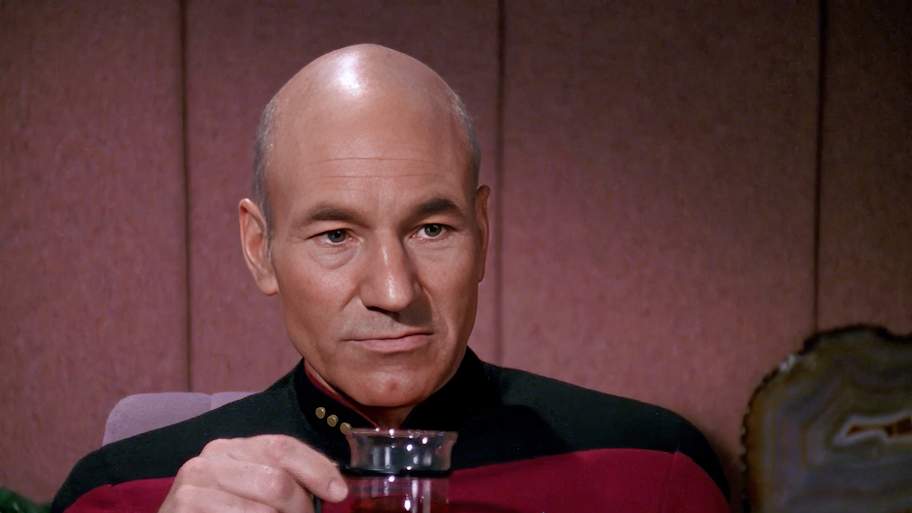
The Evolution of Star Trek: A Comparison Between The Next Generation and Deep Space Nine
Star Trek has long been a cornerstone of science fiction television, with various series exploring the future of humanity and the broader universe. Among these, Star Trek: The Next Generation (TNG) and Star Trek: Deep Space Nine (DS9) stand out as two of the most iconic entries in the franchise. While they are often compared due to their close chronological placement—TNG ran from 1987 to 1994, while DS9 premiered in 1993—it is clear that DS9 has maintained a stronger appeal among fans over time. Let’s explore why this might be the case.
Future Stories, Modern Themes
One of the key strengths of DS9 is its ability to weave modern themes into a futuristic setting. While TNG also tackled philosophical and ethical questions, DS9 delved deeper into issues such as religion, war trauma, and personal identity. For instance, the show examined whether the Bajoran wormhole was home to divine beings, how the occupation by the Cardassians affected Kira Nerys and her people, and whether individuals could shape their own destinies despite cultural traditions. These narratives felt more personal and grounded, allowing viewers to connect with the characters on a deeper level.
In contrast, TNG’s overarching plots, such as Data’s journey to understand humanity, were compelling but often felt more abstract. While they explored the human condition, they lacked the emotional weight and complexity that DS9 brought to its storytelling.
DS9 Views the Future Through a Critical Lens
TNG presented a utopian vision of the future, where the Federation was at its peak, and technology like the holodeck offered new possibilities. However, this idealism sometimes came at the cost of realism. While TNG had antagonists like the Borg and faced challenges, it rarely explored darker themes or the consequences of conflict.
DS9, on the other hand, took a more critical approach. It showcased the harsh realities of war, the oppressive nature of certain cultures, and the limitations of the Federation’s ideals. By doing so, it provided a more nuanced view of the future, one that acknowledged both progress and its complexities.
Less Stagnant Character Arcs
Character development is another area where DS9 excels. While TNG had well-crafted characters who grew over time, such as Data, their arcs often felt less dynamic. Viewers didn’t always see the full process of how characters evolved, making their growth feel somewhat abrupt.
DS9, however, offered more organic character development. Characters like Kira Nerys, for example, underwent significant transformation as she struggled to overcome her traumatic past. Her journey was not instantaneous but rather a gradual process that viewers could witness and relate to. This kind of realism made her character more compelling and relatable.
Conclusion
While both Star Trek: The Next Generation and Star Trek: Deep Space Nine have left lasting legacies within the franchise, DS9 has aged better due to its deeper exploration of complex themes, critical perspective on the future, and more realistic character arcs. Fans continue to debate which series is superior, but there is no denying that DS9 has carved out a unique place in the Star Trek canon. Its ability to blend science fiction with real-world issues ensures that it remains relevant and engaging for new generations of viewers.

Post a Comment for "3 Reasons Deep Space Nine Outshines The Next Generation"
Post a Comment