23 Days: 7 TB Cases at Tacoma ICE Detention Facility
Accusations of TB Exposure at Anchorage Correctional Complex
Alaska’s Department of Corrections (DOC) is facing serious accusations that Immigration and Customs Enforcement (ICE) detainees were exposed to tuberculosis (TB) during their 23-day stay at the Anchorage Correctional Complex this summer. The incident has raised concerns about the handling of health risks in detention facilities and the transparency of medical protocols.
According to a statement from the DOC, all 41 ICE detainees were screened for TB upon arrival at the Anchorage jail on June 8, and none tested positive for active TB, which is contagious. However, one individual underwent additional testing due to symptoms, and all subsequent tests came back negative. The DOC emphasized that latent TB is not contagious and does not produce symptoms, distinguishing it from active TB disease.
The DOC also stated that the clinical director at the Northwest ICE Processing Center in Tacoma confirmed no one from Alaska had active TB. Despite these assurances, reports indicate that one detainee began treatment for tuberculosis on July 4, three days after being returned to the federal facility in Tacoma on June 30.
Legal Concerns and Detainee Treatment
Sean Quirk, the attorney for the detainee, shared concerns about the check-in process at the Tacoma facility, which he described as extremely lengthy. Quirk noted that his client and 34 other detainees transferred from Anchorage to Tacoma on June 30 went through additional screenings and were placed in medical isolation. He expressed frustration over being denied access to his client for over a week, leading him to make cold calls to hospitals before locating his client at Tacoma General Hospital.
Medical records show that the detainee was admitted to the emergency room on July 7 with symptoms including acute abdominal pain, nausea, and vomiting. He had recently been diagnosed with tuberculosis and was prescribed a multi-drug treatment, which can have serious side effects. According to the Centers for Disease Control and Prevention (CDC), treatment for latent TB should only begin after active TB disease is ruled out.
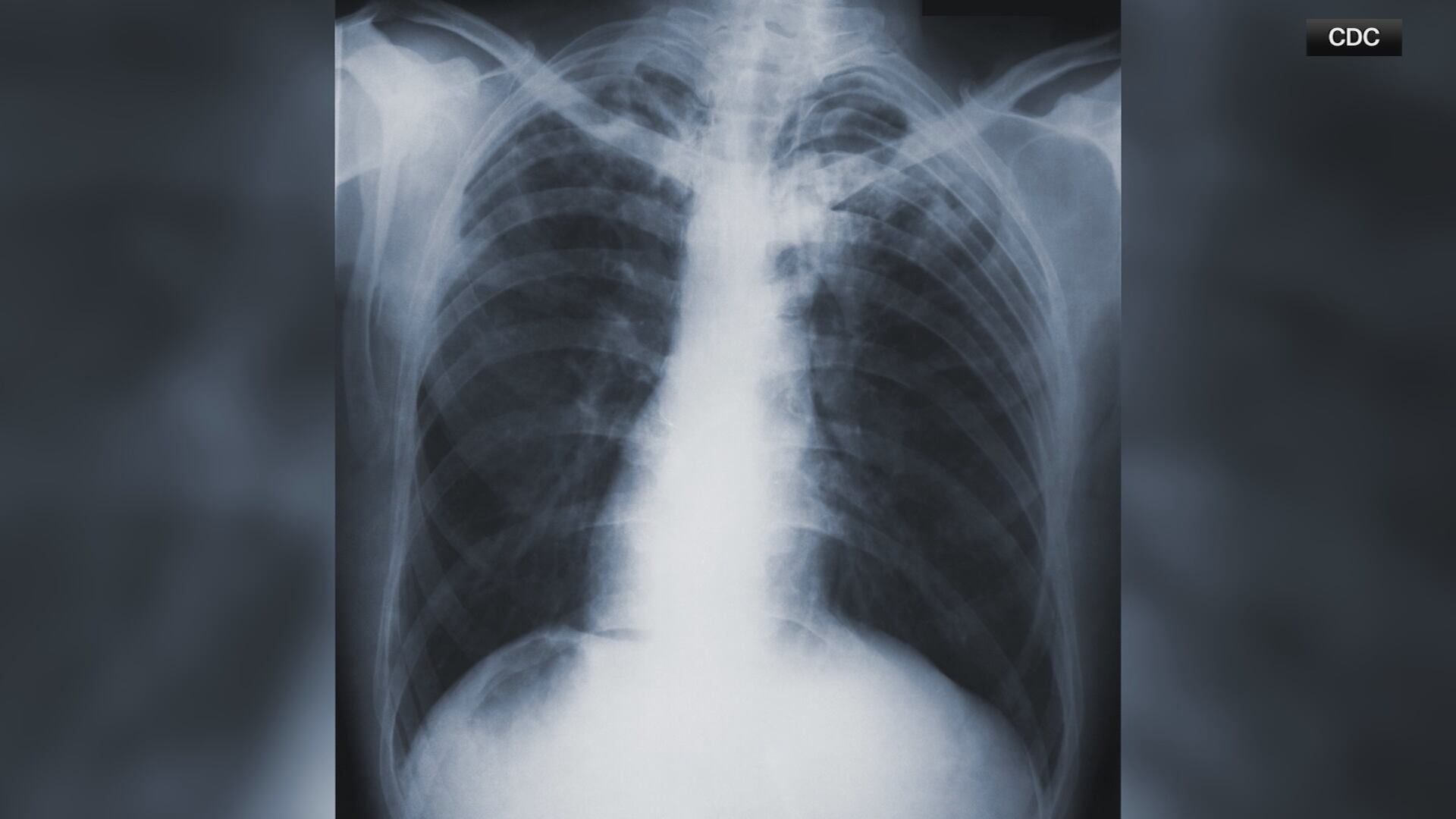
Quirk revealed that his client was discharged from the hospital, with doctors attributing his illness to the medications. However, he remains on treatment despite conflicting recommendations from medical staff. The detainee believes the treatment is necessary due to findings from an X-ray showing "spots" on his lungs.
Understanding Tuberculosis Infections
Dr. Michelle Rothoff, an epidemiologist with the Alaska Department of Health, explained the two phases of TB infection. She noted that TB spreads when someone with active TB coughs or speaks, releasing germs into the air. Not everyone who is exposed will become infected, and most people who do get infected develop latent TB, which is not contagious and does not cause symptoms.
Rothoff highlighted that common TB screening tests have a known error rate, with about 20% of people with active TB testing negative. This underscores the importance of follow-up testing and careful evaluation of symptoms.
Response from Authorities
Following inquiries about the situation, the Washington Health Department confirmed seven suspected TB cases at the Tacoma Detention Center, though no confirmed positive specimens have been reported. An ICE spokesperson responded to claims of false information, stating that a detainee refused a TB test and was isolated until cleared. Six other detainees were cohorted as a precaution.
Despite these statements, medical records from Tacoma General Hospital confirm at least one case of TB at the detention center that originated from the Anchorage Correctional Complex.
Ongoing Concerns and Public Awareness
Quirk emphasized that his client and other detainees were exposed to TB while in ICE custody. He called for transparency and accountability from authorities in both Anchorage and Tacoma regarding the origin of the TB cases.
As of now, the detainee continues to receive treatment while remaining in ICE custody. Quirk described his client as “doing okay and receiving care,” but stressed the need for public awareness about the conditions in detention facilities.
ICE has not provided further details on the status of TB cases at the Northwest ICE Processing Center, promising to release more information as it becomes available.

Post a Comment for "23 Days: 7 TB Cases at Tacoma ICE Detention Facility"
Post a Comment