14 Years Later, Roger Ebert Praised This Apocalyptic Shannon Film as "Masterful"
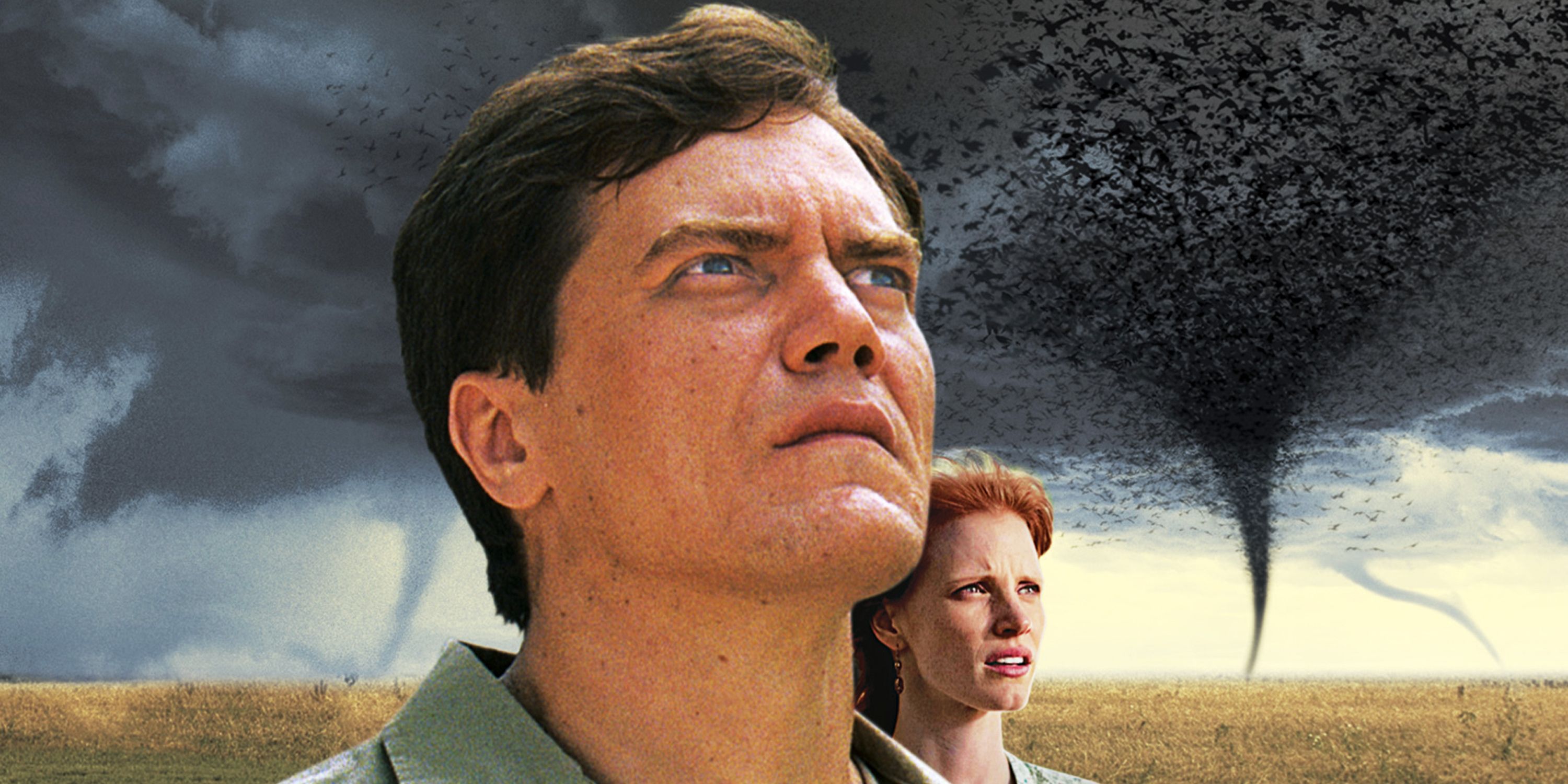
The Unique Approach to Horror in 'Take Shelter'
Horror can mean many things to many different people, especially when it comes to the world of film. While some might associate horror with more obvious symbols like serial killers or demonic possession, others find terror in the subtle and unsettling feelings that something is not quite right in the world. This kind of horror often goes unnoticed by those around us, making it all the more chilling.
Jeff Nichols is not typically associated with the horror genre, yet his 2011 film Take Shelter manages to transform a simple character study into a terrifying exploration of the uncertainties of the universe. Roger Ebert even called it "masterful" in its filmmaking craft, highlighting the film's deep emotional resonance.
What Is 'Take Shelter' About?
The story follows Curtis (Michael Shannon), a construction worker and devoted family man living in a small town in Ohio. He has always been loving and concerned for his daughter and wife, Samantha (Jessica Chastain). However, recently, his behavior has become increasingly erratic and disturbing. Curtis is convinced that an apocalyptic storm is coming to wipe out the entire town. As a result, he begins building a large storm shelter in his backyard, which leads to him jeopardizing his relationships and job due to his single-minded devotion to this task.
Curtis’s situation raises questions: Is he onto something that others cannot understand, or is he showing early signs of paranoid schizophrenia, a condition that affected his mother, Sarah (Kathy Baker)? Either way, the outcome seems to spell existential doom for Curtis. Struggling with little recourse for mental health treatment, and with everyone in town talking about his behavior, Curtis is left drowning in his own personal hell, which may eventually swallow him whole.
Nichols’ approach to the material suggests a blend of A Beautiful Mind and a narrative written by Sam Shepard. His shirking of histrionic excitement for a more restrained distrust that permeates every scene pays off because he has Michael Shannon as the ideal emotional conduit.
Michael Shannon Gives One of His Best Performances
Roger Ebert notes how there's a certain quality of “shifting disquiet” in Shannon’s acting that's reminiscent of Christopher Walken. This reservoir of anxiety and trepidation is only hinted at behind his eyes. Even when he's still or performing mundane tasks, Shannon is able to fill in the silences with the unspoken questions and motivations he's long been too scared to verbalize.
Anyone who has seen Revolutionary Road or Nocturnal Animals knows how Shannon can change the temperature of any scene he walks into just by that unnerving combativeness and indignation radiating from his stare and posture. Rather than portraying Curtis as “crazy” or fully deranged, which is often how Shannon is typecast, he makes him exasperated and scared, backed into a corner by his circumstances and not completely unraveling until all his attempts at research and prevention prove fruitless.
There is a standout scene where Curtis and his family are at a local community center. Here, Curtis learns that people are openly calling him crazy, and he responds by flipping his family's table over and launching into an enormous rant about how nobody understands the storm that's coming. This moment is impressive not because it came from out of nowhere, but because it feels inevitable after spending so much time watching Shannon keep all that pressure just under the surface.
Ebert proclaimed that Michael Shannon should have received a Best Actor Oscar nod for this role. Given that this is the role that elevated Shannon to mainstream notice, I’m inclined to agree.
'Take Shelter' Is Jeff Nichols' Masterpiece
With Shannon in a role that avoids any of the outdated tropes of playing mental illness, it signifies that the true power of Take Shelter lies in its sensitivity to the invisible fractures that society inflicts on interpersonal relationships. Whether the storm Curtis believes is coming is real, metaphorical, or a hallucination, he is in a no-win situation due to the circumstances in which he lives.
If the storm is real, then no amount of shelter building will help him, and the townsfolk are digging their own graves by doing nothing. If the storm is a hallucination, then Curtis has essentially been forced to wallow in his mental illness and aggravate the growing isolation between him and his family due to the lack of mental health help options and a dire job market.
Nichols’ direction suggests a Biblical undertone without overt Christianity in the narrative, something reminiscent of Job or Abraham, where the forces of nature put Curtis into a pressure cooker that tests his human spiritual mettle. Building to a climax that should make you think of Twister, it instead comes closer to feeling like M. Night Shyamalan’s Signs with its fusion of disaster-oriented tension-building and an earnest provocation of humanity’s ability to depend on itself during its darkest hours.
Nichols has gone on to make many other impressive films, such as Midnight Special or Mud. However, Take Shelter remains his most audacious and delicately spun film, which is why Roger Ebert gave it four stars.

Post a Comment for "14 Years Later, Roger Ebert Praised This Apocalyptic Shannon Film as "Masterful""
Post a Comment