13 Surprising Salt Facts You Never Knew
Salt: A Historical and Modern Perspective
Salt has played a significant role in human history, far beyond its use as a seasoning. From ancient times to the present day, it has influenced economies, cultures, and even language.
A Currency of Ancient Times
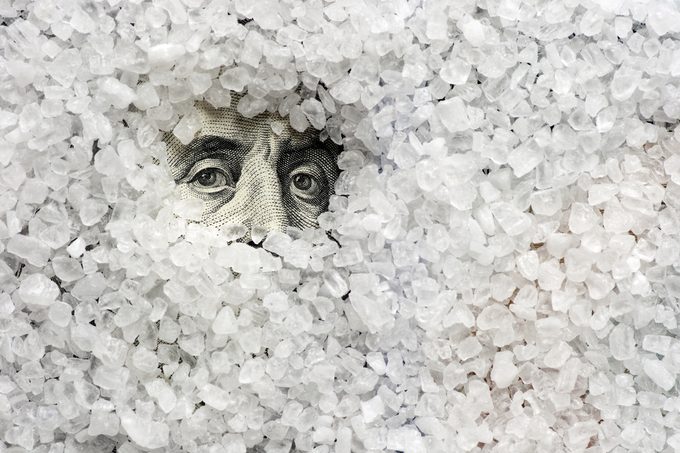
In ancient Rome, salt was so valuable that it was sometimes used as currency. Soldiers were paid with salt, which is where the word "salary" comes from—derived from the Latin word sal, meaning salt. If a soldier performed poorly, his salary might be reduced, leading to the phrase “not worth his salt.” This historical connection highlights how essential salt was to daily life and commerce.
Salt’s Value in Modern Times
Today, salt remains valuable, especially in certain forms like Korean bamboo salt. Used in traditional medicine and cooking, this type of salt is significantly more expensive than regular sea salt. The reason for its high price lies in its production process: sea salt is packed into 3-year-old bamboo and roasted at over 1,400 degrees for 12 to 14 hours. This meticulous process contributes to its unique properties and high cost.
Salt as a Trade Commodity
Historically, salt was a major trade item due to its ability to preserve food. It doesn’t expire and can draw moisture out of food, preventing spoilage. One city that benefited greatly from the salt trade was Venice, Italy, which became a powerful trade center by the end of the 13th century.
Symbolic Significance of Salt
Beyond its practical uses, salt holds symbolic value in many cultures. Phrases like “take it with a grain of salt” reflect its importance in everyday language. In literature and religious texts, such as the Bible, salt is often used as a metaphor for permanence and conviction, thanks to its preservative qualities.
Challenges in Reducing Sodium Intake
Despite the health risks associated with sodium, reducing intake isn't always easy. The average American consumes 50% more sodium than recommended, according to the Centers for Disease Control and Prevention (CDC). Sodium is added to nearly everything we eat, from bread and cured meats to soups and desserts.
Surprising Facts About Fast Food
A 2024 study published in the Journal of Renal Nutrition revealed that a typical burger-and-fries meal from major fast food chains had about twice as much sodium in the burger as in the fries. This shows that the problem of excessive sodium isn't limited to just one part of the meal.
Sea Salt vs. Table Salt
Many people believe sea salt is healthier than table salt, but both contain similar levels of sodium—around 40%. For those looking for sodium-free alternatives, herbs and spices like garlic, pepper, oregano, and rosemary can provide flavor without the added salt.
Health Impacts of Excess Sodium
Excess sodium is linked to various health issues, including high blood pressure, heart disease, and stroke. Even for those who are healthy, reducing salt intake can help lower these risks. The CDC recommends cutting back on sodium to improve overall health.
Salt and Headaches
For older adults, too much salt can lead to headaches. A study of 975 individuals aged 60 to 80 found that reducing sodium in their diets was associated with a lower risk of headaches.
The Necessity of Salt
While too much salt is harmful, the body still needs some for proper function. Salt helps transport nutrients and oxygen, allows nerves to send messages, and supports muscle activity. It's an essential mineral for life.
Hidden Salt in Meat Products
Fresh meat and poultry are naturally low in sodium, but many processed meats are injected with or soaked in brine solutions. Words like "enhanced," "marinated," "basted," or "improved" on packaging may indicate added salt. Checking labels and choosing low-sodium options can help reduce intake.
Salt and Goiter Prevention
In the 1920s, salt became a key tool in combating goiter, a thyroid disorder caused by iodine deficiency. The introduction of iodized salt led to a dramatic decrease in goiter cases. Today, only about 53% of table salt sold in retail stores is iodized.
Salt’s Main Use in the U.S.
Despite its presence in food, the primary use of salt in the United States is not in cooking. According to the U.S. Geological Survey, 41% of salt is used for road de-icing, while only 9% is used in food processing.
Trusting Reliable Sources
High-quality content is essential for informed decision-making. Trusted sources, including government agencies, academic institutions, and expert writers, ensure accuracy and reliability. Fact-checking and updating information regularly help maintain the integrity of the content.

Post a Comment for "13 Surprising Salt Facts You Never Knew"
Post a Comment