11 Investigates: New Pittsburgh Garbage Truck Issues Spur Council Action
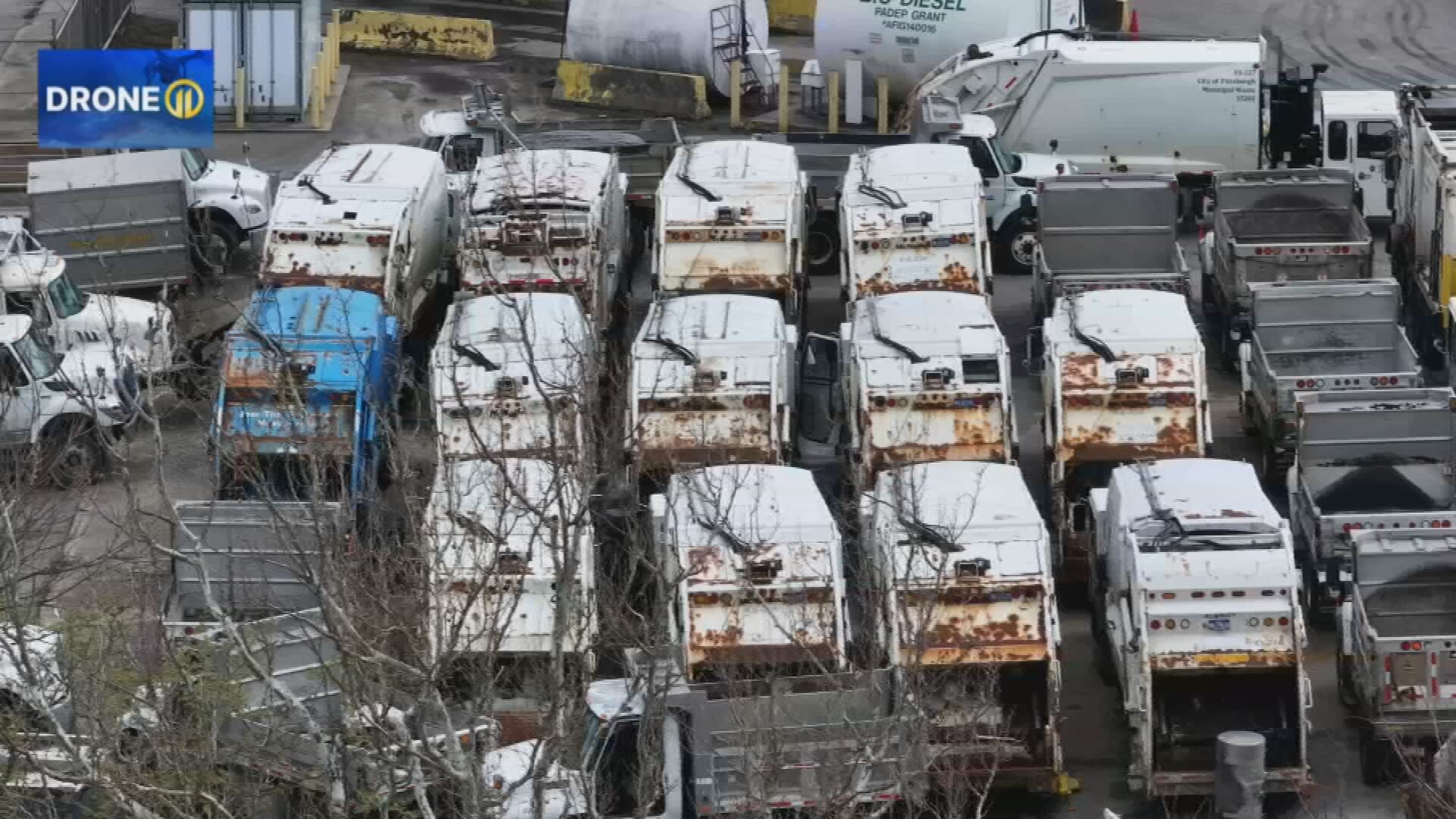
New Legislation Aims to Improve Transparency of Pittsburgh's Aging Vehicle Fleet
Pittsburgh City Council has taken a significant step toward improving transparency and accountability regarding the city’s vehicle fleet. The council recently approved legislation that requires the fleet manager to provide an annual status report detailing the condition of every city vehicle. This includes information on mileage, age, and repair history. The move comes as concerns grow over the state of the city’s aging vehicles, particularly in departments responsible for essential services such as garbage collection, emergency response, and public works.
The push for this legislation was sparked by reports from 11 Investigates, which uncovered potential issues with the city’s fleet of garbage trucks. These trucks are critical for maintaining sanitation in the community, and any disruption in their operation could lead to serious consequences. Councilman Bobby Wilson highlighted the risks, stating, “If something happens to the repair center for a few days or a week, you know we may not be picking up trash.” He expressed concern about the reliability of the fleet, noting that many garbage trucks are in poor condition and that workers often face delays due to a lack of available vehicles.
Wilson emphasized that the challenges extend beyond just the garbage trucks. His concerns include the broader city fleet, which serves multiple departments such as EMS, Public Works, Fire, and Environmental Services. Reports from 11 Investigates have revealed that these vehicles are also in poor condition, raising safety concerns for employees who rely on them daily. One DPW worker shared his worries with the outlet, saying the trucks are so deteriorated that he feels unsafe each time he uses one.
According to Wilson, nearly half of all city vehicles are too old, leading to increased maintenance costs and inefficiencies. “That means we’re spending more on maintenance than we should be and all we are doing is wasting taxpayer dollars,” he said. He added that the council had been unaware of the full extent of the problem until now.
The new legislation aims to address these issues by ensuring that the council receives regular updates on the fleet’s condition. This will allow for more informed decision-making when it comes to future investments in the city’s transportation infrastructure. Deputy Mayor Jake Pawlak, who supports the legislation, noted that making this information public will provide a factual basis for planning and budgeting.
Pawlak acknowledged that the current state of the fleet stems from years of underinvestment, particularly during times of financial distress. However, he mentioned that the Gainey administration has allocated $40 million for new vehicles over the past four years. Despite this, some council members believe the city should be investing more—suggesting a minimum of $20 million annually. They have also criticized the administration for not using more of the American Rescue Funds to purchase essential vehicles such as ambulances, fire trucks, and public works equipment.
While Pawlak admitted that current efforts have fallen short, he promised to present a more comprehensive fleet investment plan in the upcoming budget. He declined to release specific details, stating that the proposal is still being finalized.
This legislative action marks a critical turning point in how Pittsburgh manages its vehicle fleet. By increasing transparency and accountability, the city hopes to ensure that its infrastructure remains reliable and efficient for residents and employees alike.

Post a Comment for "11 Investigates: New Pittsburgh Garbage Truck Issues Spur Council Action"
Post a Comment