10 Unfailingly Stylish Films From Beginning to End
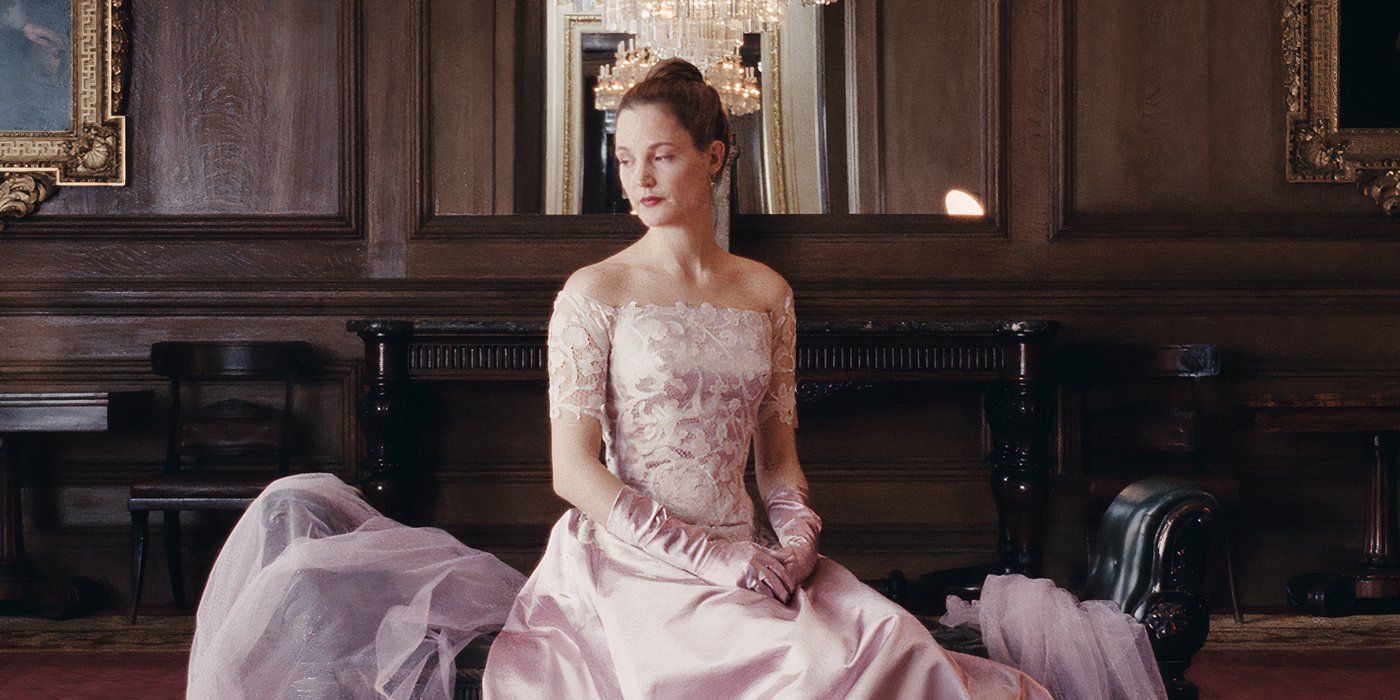
A Celebration of Cinematic Style and Visual Storytelling
Cinema has always been more than just a medium for storytelling; it's an art form that captures the essence of culture, fashion, and visual aesthetics. Some films stand out not only for their narratives but for the way they immerse viewers in richly crafted worlds. These movies are celebrated for their ability to blend style with substance, creating experiences that resonate long after the credits roll.
La Dolce Vita (1960)
Directed by Federico Fellini, La Dolce Vita remains one of the most visually and stylistically influential films in cinema history. The movie follows Marcello Rubini, a journalist navigating the decadent world of Rome’s elite. With its luminous black-and-white cinematography and iconic scenes like the Trevi Fountain sequence featuring Anita Ekberg, the film sets a standard for elegance and glamour. Its influence on fashion and visual storytelling is undeniable, making it a timeless classic.
A Single Man (2009)
Tom Ford’s A Single Man is a masterclass in visual beauty. Set in 1960s Los Angeles, the film explores the grief of George Falconer, a British professor. Ford’s meticulous attention to detail — from the mid-century interiors to the character-driven fashion — transforms the film into a poignant visual experience. Every frame reflects the emotional depth of the story, making it a standout in cinematic style.
Carol (2015)
Todd Haynes’ Carol offers a stunning portrayal of queer love in the 1950s. Adapted from Patricia Highsmith’s novel, the film features Cate Blanchett and Rooney Mara in unforgettable performances. The lush visuals, including period-accurate costumes and set design, create a rich, immersive world that draws viewers into the characters’ lives. It’s a celebration of both style and storytelling.
Mahogany (1975)
Berry Gordy’s Mahogany is a bold celebration of Black glamour and fashion. Starring Diana Ross, the film showcases over 50 iconic looks that reflect the 1970s era. Despite mixed critical reception, it has become a cult favorite, praised for its vibrant visuals and cultural significance. The film highlights the power of self-expression and ambition through its dazzling aesthetic.
Blade Runner 2049 (2017)
Denis Villeneuve’s Blade Runner 2049 is a visually stunning science fiction film. Set in a dystopian future, the movie follows Officer K as he uncovers a secret that could change the balance between humans and replicants. With its minimalist silhouettes, neon-lit landscapes, and atmospheric visuals, the film is a testament to the power of visual storytelling in genre cinema.
The Grand Budapest Hotel (2014)
Wes Anderson’s The Grand Budapest Hotel is a unique blend of whimsy and elegance. Set in a fictional European republic, the film follows the charming concierge of a luxury hotel. Anderson’s signature symmetrical framing and pastel color palette create a visually striking world. The film’s distinct style earned it multiple awards, cementing its place as a modern classic.
Marie Antoinette (2006)
Sofia Coppola’s Marie Antoinette brings 18th-century French decadence to life with a modern twist. The film follows the journey of Marie Antoinette, played by Kirsten Dunst, as she navigates the rigid world of Versailles. Over 100 costumes were designed for Dunst, each serving as a visual narrative of her transformation. The film’s opulent visuals and pop-infused aesthetic make it a standout in period drama.
Phantom Thread (2017)
Paul Thomas Anderson’s Phantom Thread is a deep exploration of obsession and creativity. Starring Daniel Day-Lewis as a renowned dressmaker, the film delves into the intricate world of haute couture. The meticulously crafted costumes and restrained visuals highlight the emotional depth of the story. The film’s attention to detail and powerful performances make it a modern classic.
In the Mood For Love (2000)
Wong Kar-wai’s In the Mood For Love is a slow-burning romance that captures the mood and style of 1962 Hong Kong. The film follows two neighbors who develop a deep bond while suspecting their spouses are having an affair. The era-accurate costuming and warm color palette enhance the nostalgic and sensual atmosphere, making it a visually stunning experience.
Barry Lyndon (1975)
Stanley Kubrick’s Barry Lyndon is a period drama that stands out for its authenticity and visual grandeur. The film follows Redmond Barry as he rises from humble beginnings to aristocracy. Kubrick’s use of ultra-fast lenses and period-accurate costumes creates a film reminiscent of 18th-century oil paintings. Its success in capturing the essence of the time earned it multiple Academy Awards.

Post a Comment for "10 Unfailingly Stylish Films From Beginning to End"
Post a Comment