10 Smart Meal Planning Tips for Busy Families
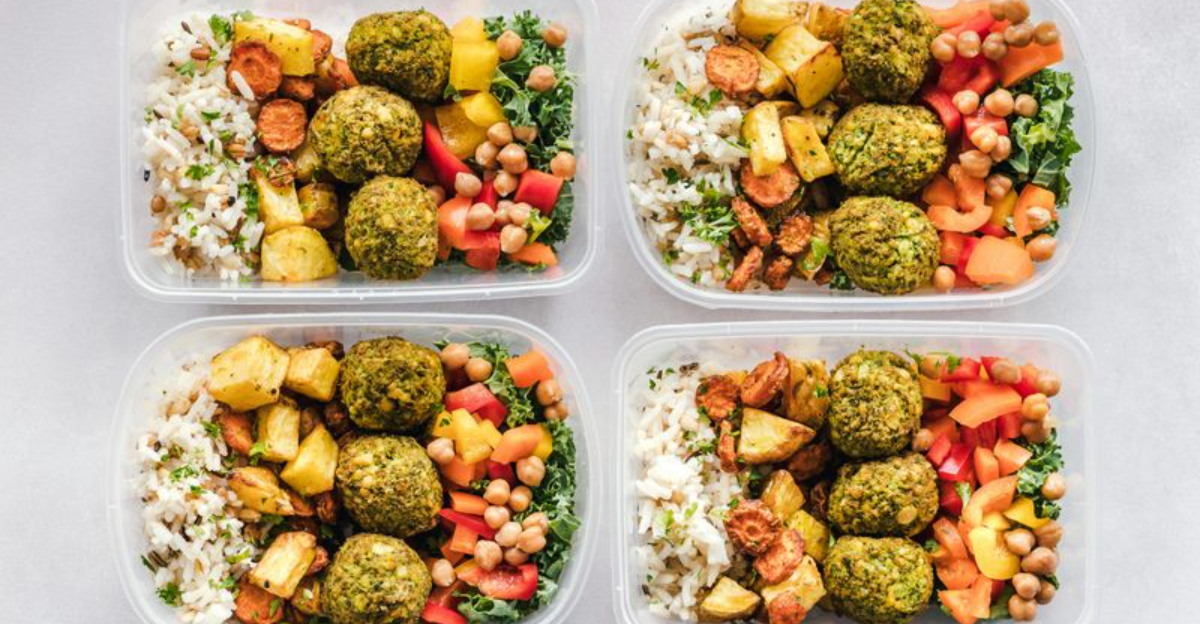
Plan Weekly Menus for Better Budgeting
Creating a weekly meal plan is one of the most effective ways to manage your grocery budget. When you take the time to map out your meals, you avoid last-minute decisions that often lead to expensive takeout or convenience foods. Spend 30 minutes each weekend to plan your meals and involve the whole family in the process. Let each member choose a dinner for the week and check your calendar for busy nights where quick options are needed.
Keep a rotating list of favorite meals to make planning easier and more efficient. Posting your menu in a visible place helps eliminate the daily question of "what's for dinner?" This small step can bring a sense of calm and control to your kitchen routine.
Shop With a List to Avoid Impulse Purchases
Shopping without a list can lead to unnecessary spending. The average shopper spends 40% more when they don't have a plan. Creating a detailed shopping list not only saves money but also makes your trip to the store more efficient.
Organize your list by store sections like produce, dairy, and pantry items to minimize backtracking. Before heading to the store, check your pantry and refrigerator to avoid buying duplicates. Consider using a grocery list app that allows family members to add items throughout the week. Many apps also track prices at different stores, helping you find the best deals without driving all over town.
Cook in Batches for Long-Term Savings
Batch cooking is a game-changer for saving both time and money. By doubling recipes for meals like lasagna, chili, or soup, you can freeze half for later use. Dedicate one weekend afternoon each month to preparing several meals. Label containers with the contents and date to keep your freezer organized.
Most frozen homemade meals taste best within three months. On hectic weeknights, you'll have ready-to-eat meals that save you from resorting to takeout. This approach not only reduces costs but also eases the burden on your schedule.
Use Leftovers Creatively
Leftovers can be transformed into new and exciting meals with a little creativity. For example, Sunday’s roast chicken can become Monday’s chicken tacos and Tuesday’s chicken soup. Keep a mental formula: protein + starch + veggies = new meal. Diced pork chops can be used for fried rice, sliced for sandwiches, or chopped for pasta sauce.
Designate a special container as your "remix bin" for small amounts of leftovers. These bits can be combined for personal pizzas, quesadillas, frittatas, or grain bowls, which help clear out your fridge while feeding hungry family members.
Embrace One-Pot Meals for Efficiency
One-pot meals are a great way to save time and money. Soups, stews, casseroles, and sheet pan dinners combine proteins, vegetables, and starches in a single dish. These meals typically use less expensive cuts of meat that become tender through slow cooking.
They’re also perfect for incorporating seasonal vegetables or whatever you have on hand. Start a slow cooker in the morning or pop a sheet pan in the oven after work. The convenience factor is huge for busy families, and your wallet will appreciate fewer ingredients.
Buy Seasonal Produce for Maximum Value
Seasonal produce is not only cheaper but also fresher and more flavorful. Fruits and vegetables purchased in season cost significantly less while providing peak flavor and nutrition. Local farmers markets often offer the freshest seasonal options at competitive prices.
Create a seasonal produce chart for your region and post it on your refrigerator. Planning meals around what's currently abundant teaches kids about natural food cycles while stretching your grocery dollars further than you thought possible.
Incorporate Meatless Meals for Cost-Effective Nutrition
Plant-based proteins like beans, lentils, and tofu are much more affordable than meat while offering impressive nutritional benefits. A family of four can save $40+ weekly by replacing just two meat-based dinners with plant-based options.
Black bean tacos, lentil soup, chickpea curry, and bean-based pasta dishes offer familiar formats with budget-friendly ingredients. Adding eggs, which remain relatively inexpensive, creates satisfying options like vegetable frittatas or breakfast-for-dinner nights.
Stock a Pantry of Essentials for Quick Meals
Your pantry serves as a personal grocery store during busy weeks. Staples like pasta, rice, canned tomatoes, beans, and broths create the foundation for countless quick meals without emergency store runs.
Build your stockpile gradually by purchasing one or two extra non-perishable items each shopping trip, especially when they're on sale. Organize shelves by category and use the "first in, first out" method to prevent waste. A well-stocked spice collection transforms basic ingredients into diverse meals spanning global cuisines.
Use Coupons and Apps for Extra Savings
Modern couponing has evolved beyond traditional methods. Grocery apps like Ibotta, Checkout51, and store-specific applications offer cash back on purchases you're already making. Many stores now load digital coupons directly to loyalty cards.
Price-comparison apps show which local store has the best deals each week. Some even create shopping lists based on sales. Cashback credit cards dedicated to grocery purchases can add another 2-5% savings on everything you buy.
Prep Ingredients Ahead for Efficient Cooking
Sunday prep sessions create weeknight cooking shortcuts that prevent costly convenience foods. After grocery shopping, wash and chop vegetables, marinate proteins, cook grains, and portion snacks into grab-and-go containers. Store prepped items in clear containers at eye level in your refrigerator.
Seeing ready-to-use ingredients makes cooking feel manageable even after exhausting days. Pre-portioned healthy snacks prevent impulsive vending machine visits or convenience store stops. Even 30-60 minutes of weekend prep dramatically reduces the temptation to order delivery when everyone's hungry and tired. Your future self will thank you with both time and money savings when dinner comes together in minutes instead of hours.

Post a Comment for "10 Smart Meal Planning Tips for Busy Families"
Post a Comment