10 MCU Movies That Almost Didn't Happen
The Unlikely Journey of the Marvel Cinematic Universe
By 2025, the Marvel Cinematic Universe (MCU) has grown into a sprawling cinematic empire with 37 films and countless more in development. This remarkable success story began in 2008 with the release of Iron Man, but few could have predicted how this franchise would redefine Hollywood and set the standard for interconnected storytelling. The MCU pioneered the concept of "phases," creating a structured approach to releasing movies that built anticipation and kept audiences engaged. It also introduced the idea of combining multiple franchises into one cohesive universe, an approach that many have attempted but none have replicated successfully.
Despite its triumphs, not every project within the MCU has made it to the screen. Some were delayed, reworked, or even abandoned before they could be realized. These stories reveal the challenges behind the scenes, from studio negotiations to creative disagreements, and highlight how close some of the MCU’s most iconic films came to never being made.
The Incredible Hulk: A Battle Over Rights
When The Incredible Hulk was finally released in 2008, it seemed like a natural addition to the MCU. However, the film almost didn’t happen due to a complicated web of rights issues. In 2003, Universal Studios had produced a version of the movie, and although Marvel eventually regained production rights, Universal retained distribution rights. This meant that Marvel had to negotiate with Paramount Pictures, which had already signed on to distribute the first wave of MCU films. After some tense discussions, a deal was reached, allowing The Incredible Hulk to be released. Even after Disney acquired Marvel, Universal still holds the rights to distribute future Hulk films, explaining why the character hasn’t received a solo sequel yet.
Thor: The Dark World – A Director’s Exit and a Star’s Frustration
The first Thor movie was a hit, but the sequel, Thor: The Dark World, nearly fell apart during production. Director Patty Jenkins was initially chosen, and her involvement was a major draw for Natalie Portman, who played Jane Foster. However, creative differences led to Jenkins’ departure, and Portman considered walking away from the project. The situation escalated into one of the MCU’s biggest scandals, as Portman felt betrayed by the studio. Despite these challenges, the film went on to be a box office success, and both Jenkins and Portman eventually found their way back into the MCU.
Ant-Man – A Last-Minute Rescue
Edgar Wright was originally set to direct Ant-Man, but his vision clashed with Marvel’s desire for greater creative control. After years of delays and conflicts, Wright left the project just before filming was to begin. With the film in jeopardy, Peyton Reed stepped in at the last minute. His changes aligned the movie with the broader MCU, and the result was a successful franchise that included two more Ant-Man films. Wright, however, claims he’s never seen the final product.
Spider-Man: Homecoming – A Rivalry Turned Partnership
For years, Sony controlled the rights to Spider-Man, making it impossible for him to join the MCU. However, after the disappointing performance of The Amazing Spider-Man 2, a deal was struck between Disney and Sony. This unprecedented partnership allowed Spider-Man to appear in Captain America: Civil War and later get his own film, Spider-Man: Homecoming. The deal required complex legal arrangements, and there were concerns about whether it would actually come to fruition. If it hadn’t, the MCU would have looked very different, especially in later films like Avengers: Infinity War.
Captain America: Civil War – A Costly Decision
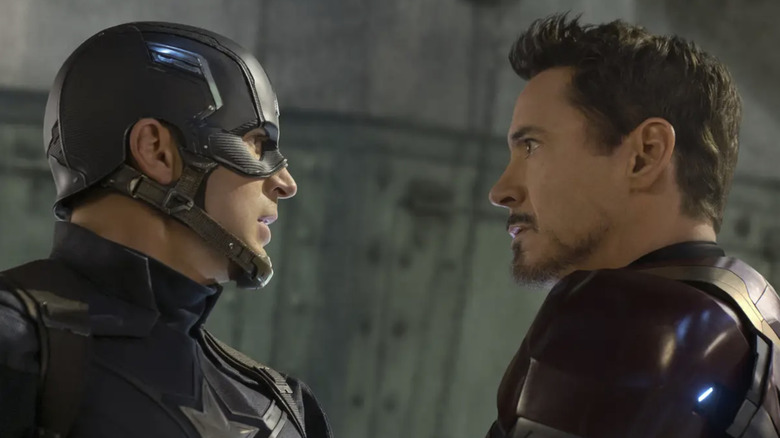
While Captain America: Civil War is now considered one of the MCU’s greatest films, it almost didn’t happen. The film required a massive cast, and some executives were uneasy about the financial implications of having Robert Downey Jr. play Tony Stark as the primary antagonist. Downey demanded a significant salary, and the directors had to convince him to take on the role. Ultimately, the film became a huge success, with Downey earning over $40 million for his performance.
Captain Marvel – A Fight for Approval
Captain Marvel was a groundbreaking film, becoming the first Marvel movie to gross over a billion dollars. However, it almost didn’t happen. Many executives doubted the viability of a female-led superhero film, citing past failures like Catwoman and Elektra. Even within Marvel, there was tension between Kevin Feige and then-CEO Ike Perlmutter. It took a direct intervention from Disney CEO Bob Iger to get the film greenlit. The movie ultimately proved the naysayers wrong, despite negative reviews on Rotten Tomatoes.
Black Widow – A Female-Led Film Faces Doubts
Black Widow faced similar skepticism to Captain Marvel, with many doubting the potential of a female-led superhero film. Internal memos revealed that CEO Ike Perlmutter had been resistant to greenlighting such projects. The film was delayed for years and faced additional setbacks due to the pandemic. Despite these challenges, it eventually found its audience and became a success.
Spider-Man: No Way Home – A Deal That Almost Fell Apart
After the success of Spider-Man: Far From Home, the deal between Sony and Disney to share Spider-Man came under scrutiny. Negotiations broke down, and there were even talks of Sony making a sequel without Marvel. However, thanks to the efforts of Tom Holland and a dramatic phone call to Disney CEO Bob Iger, the deal was renewed. The resulting film, Spider-Man: No Way Home, became one of the highest-grossing movies of all time.
Doctor Strange in the Multiverse of Madness – A Director’s Departure
Doctor Strange in the Multiverse of Madness faced its own share of challenges. Director Scott Derrickson left the project due to creative differences, leaving Marvel scrambling to find a new director. Sam Raimi, known for his work on the Spider-Man trilogy, eventually took over, bringing his horror expertise to the film. The movie was a critical and commercial success, and Raimi is rumored to return for a follow-up.
Deadpool and Wolverine – An R-Rated Marvel Breakthrough
The integration of Deadpool into the MCU was no small feat. Ryan Reynolds’ R-rated films were a departure from the family-friendly tone of the MCU, and there were concerns about how the studio would handle his demands for creative control. The inclusion of Hugh Jackman as Wolverine added another layer of complexity, as he had previously retired from the role. Despite these challenges, the film became a massive success, proving that even the most unconventional characters could thrive in the MCU.

Post a Comment for "10 MCU Movies That Almost Didn't Happen"
Post a Comment