10 MCU Films That Shaped the Marvel Universe
The Evolution of the MCU: Ten Movies That Defined a Franchise
The Marvel Cinematic Universe (MCU) has become one of the most successful film franchises in history, with a legacy built on storytelling, character development, and cinematic innovation. Over 17 years, the MCU has evolved from a modest experiment into an expansive shared universe that continues to captivate global audiences. Several films have played pivotal roles in shaping its identity, each contributing uniquely to the foundation of this iconic franchise.
Iron Man: Laying the Groundwork
Iron Man, released in 2008, marked the beginning of the MCU and set the tone for what would follow. It introduced audiences to Tony Stark, portrayed by Robert Downey Jr., whose charismatic performance became central to the franchise. This film not only launched the MCU but also established a balance between science fiction and realism that would define many future entries. Its success, grossing over $585 million worldwide, proved the viability of a shared cinematic universe. Additionally, it introduced the now-iconic post-credits scene, a staple of the MCU that sets up future storylines.
The Avengers: A Shared Universe Unveiled
The Avengers was a bold step forward for the MCU, bringing together multiple characters from previous films into a single, cohesive narrative. It became the highest-grossing superhero movie at the time, earning over $1.5 billion globally. This film solidified the concept of a shared universe and showcased the franchise’s ability to blend humor, action, and character dynamics. The playful banter among the team members became a hallmark of the MCU, while the post-credits scene served as a teaser for future events, reinforcing the interconnected nature of the franchise.
Spider-Man: No Way Home: A Multiverse Marvel
Spider-Man: No Way Home brought together three different versions of the web-slinging hero in a single film, making it one of the MCU's most commercially successful movies. Beyond its box office success, the film demonstrated the MCU’s ability to pay homage to the superhero genre while exploring the multiverse concept. By reintroducing beloved characters from past adaptations, it created a nostalgic and emotionally resonant experience for fans. The film also highlighted the MCU’s signature blend of humor, spectacle, and heartfelt storytelling.
Avengers: Endgame: The Culmination of a Decade
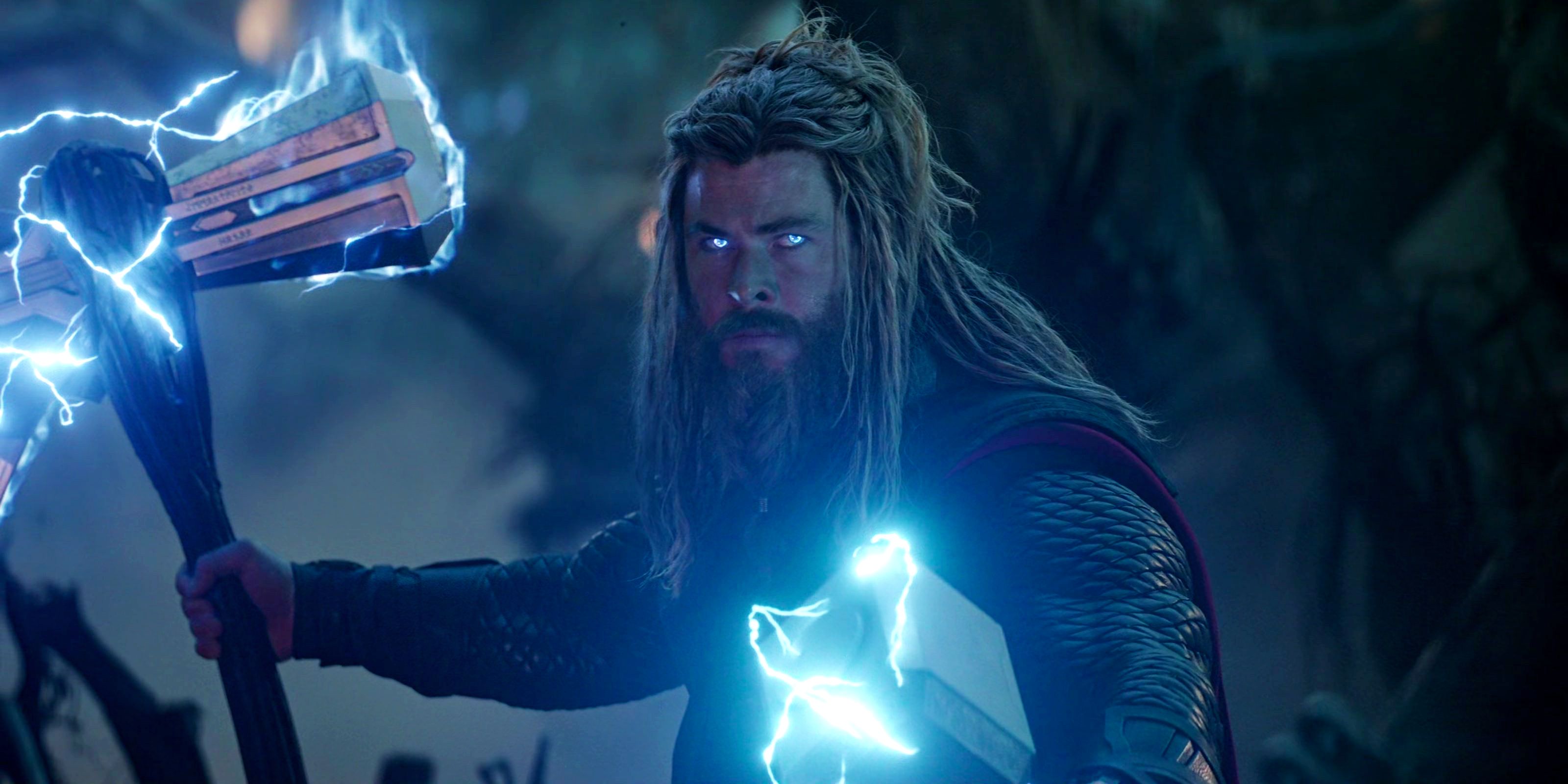
Avengers: Endgame was the culmination of over a decade of storytelling, delivering a finale that resonated with fans worldwide. With a staggering $2.7 billion in global earnings, it remains the highest-grossing film in the MCU. The film brought together nearly every major character from the franchise, showcasing their arcs and contributions to the shared universe. It balanced emotional depth with high-stakes action, setting a high bar for future entries. The film’s ending, which saw the loss of key characters, redefined the stakes of the MCU and left a lasting impact on the franchise.
Captain America: The Winter Soldier: A New Direction
Captain America: The Winter Soldier reinvigorated the MCU with a fresh take on the superhero formula. This spy thriller-style film introduced a new level of complexity and tension, proving that the MCU could explore darker themes without losing its signature charm. The film also reinforced the cohesion of the shared universe, building on elements introduced in earlier films like The Avengers. Its focus on character relationships and world-building made it one of the most critically acclaimed entries in the franchise.
Deadpool & Wolverine: R-Rated Innovation
Deadpool & Wolverine marked a significant shift for the MCU, introducing its first R-rated film. This move demonstrated the franchise’s willingness to embrace more mature content, particularly for characters like Wolverine. The film paid homage to the comic book origins of its characters, with accurate depictions of Wolverine and Gambit receiving praise from fans. It also continued the MCU’s tradition of blending humor with heart, showcasing the franchise’s adaptability and willingness to evolve.
Black Panther: World-Building and Cultural Impact
Black Panther was a landmark film for the MCU, introducing the rich world of Wakanda and the character of T’Challa. Its debut was teased through various Easter eggs, culminating in its appearance in Captain America: Civil War. The film was praised for its storytelling, cultural representation, and strong performances. It also highlighted the MCU’s commitment to creating compelling, sympathetic villains, exemplified by the character of Killmonger.
Guardians of the Galaxy: Embracing Comedy
Guardians of the Galaxy introduced lesser-known characters to the MCU and helped establish the franchise’s comedic tone. With its quirky humor and unique storytelling, it became one of the most well-received films in the series. The film paved the way for other comedies within the MCU, such as Ant-Man and Deadpool, and remains a standout example of the franchise’s ability to balance humor with heart.
Thor: Ragnarok: A Fresh Perspective
Thor: Ragnarok marked a turning point for the character of Thor, offering a new and irreverent take on the Norse god. Directed by Taika Waititi, the film brought a vibrant and humorous energy to the MCU, setting it apart from previous entries. While it was initially met with skepticism, the film proved to be a critical and commercial success, demonstrating the MCU’s willingness to experiment with tone and style.
Avengers: Infinity War: Setting New Standards
Avengers: Infinity War was a defining moment for the MCU, showcasing the franchise’s ability to bring together a vast array of characters into a single, epic narrative. It set a new standard for team-up films, balancing action, emotion, and character development. The film’s ending, where the heroes suffer a major loss, redefined the stakes of the MCU and highlighted its willingness to challenge expectations.

Post a Comment for "10 MCU Films That Shaped the Marvel Universe"
Post a Comment