10 Kurosawa-Inspired Movies, From Star Wars to the Rest
The Enduring Legacy of Akira Kurosawa in Modern Cinema
Akira Kurosawa is widely regarded as one of the most influential filmmakers in cinematic history. His work has not only shaped the art of filmmaking but also left a lasting impact on various genres and directors across the globe. From his innovative storytelling techniques to his masterful use of editing and composition, Kurosawa’s films continue to inspire new generations of filmmakers.
One of the most notable aspects of Kurosawa's influence is how many modern films have drawn direct inspiration from his work. This includes adaptations, homages, and even entire genres that owe their existence to his creative vision. Whether it's through action-packed thrillers or introspective dramas, Kurosawa's mark on cinema remains undeniable.
Homages to Kurosawa: A New Take on Classic Stories
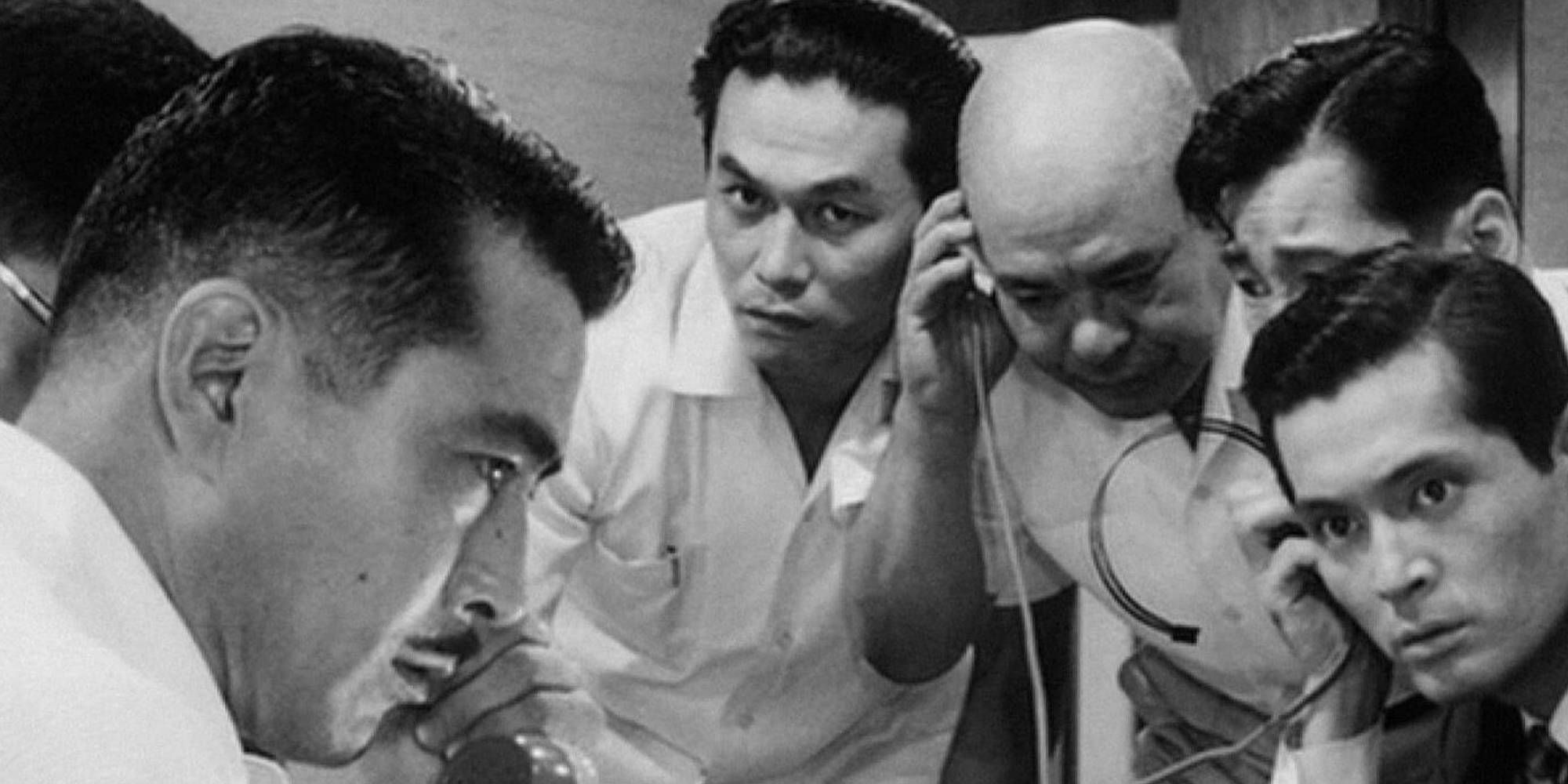
Spike Lee's recent film, which serves as a spiritual remake of Kurosawa’s High and Low, exemplifies this trend. In the original, a top executive at a shoe company faces a kidnapping crisis that disrupts his plans for power. Lee's version replaces the shoe company with a struggling record label, with Denzel Washington playing a wealthy capitalist whose life is upended by a similar incident. This adaptation brings Kurosawa's tense thriller into a modern context while maintaining the core themes of moral conflict and personal responsibility.
Another well-known example is The Magnificent Seven, which draws heavily from Kurosawa's Seven Samurai. Both films feature a group of warriors who come together to protect a village from an invading force. While The Magnificent Seven translates the samurai concept into the Wild West, it retains the same sense of camaraderie and strategic planning that made Seven Samurai so compelling.
Expanding the Influence: Beyond Westerns
Kurosawa's influence extends beyond Westerns. Pixar's A Bug's Life is another film that takes inspiration from Seven Samurai. Although it reimagines the story in a microscopic world populated by insects, the core narrative structure—of a community under threat and the gathering of heroes to defend it—mirrors Kurosawa's original. The film also introduces a twist by making the warriors circus performers rather than actual fighters, adding a unique layer to the classic formula.
Even the Star Wars franchise owes a debt to Kurosawa. Star Wars: Episode IV - A New Hope shares several key elements with The Hidden Fortress, including the presence of two lowly characters caught in a larger conflict, a powerful antagonist, and a journey through dangerous territory. These similarities highlight how Kurosawa's storytelling techniques have become deeply embedded in the fabric of modern science fiction.
Spaghetti Westerns and More
Clint Eastwood's A Fistful of Dollars is another prime example of Kurosawa's influence. Based on Yojimbo, the film follows a lone drifter who becomes embroiled in a conflict between two rival gangs. This template was later expanded upon by other Westerns, such as Django, which also drew from Yojimbo’s themes of justice and revenge. These films helped shape the Spaghetti Western genre, proving that Kurosawa's storytelling could be adapted to different settings and cultures.
Another lesser-known but significant adaptation is Last Man Standing, a 1996 film starring Bruce Willis. Set in prohibition-era Texas, it reimagines Yojimbo with gangsters instead of samurai. Despite its lack of commercial success, the film showcases Kurosawa’s influence in a more contemporary setting and features one of Willis' standout performances.
Storytelling Innovations: Rashomon and Beyond
Kurosawa’s impact is not limited to action and adventure. His approach to storytelling, particularly in Rashomon, introduced the concept of multiple perspectives in a single narrative. This technique has been used in countless films, with The Usual Suspects being one of the most famous examples. By presenting the same events from different viewpoints, Rashomon challenged traditional notions of truth and reliability in storytelling.
An unexpected yet impressive homage to Rashomon is Hoodwinked!, an animated comedy from 2005. This film retells the story of Little Red Riding Hood using the same narrative structure as Rashomon, with each character providing a different account of the events. The result is a clever and entertaining take on Kurosawa’s storytelling method, proving that his innovations can work across genres.
Contemplative Works: Ikiru and Biutiful
While Kurosawa is often associated with high-octane action, his quieter, more reflective films have also had a lasting impact. Ikiru, a 1952 drama about a man facing terminal illness, explores themes of meaning and legacy. This theme is echoed in Biutiful, a film starring Javier Bardem that follows a man grappling with his own mortality. Both films emphasize the importance of finding purpose in life, showing that Kurosawa’s influence extends to more introspective storytelling as well.
In conclusion, Akira Kurosawa’s contributions to cinema are vast and far-reaching. From action-packed adventures to thought-provoking dramas, his work continues to inspire filmmakers around the world. Whether through direct adaptations or indirect influences, Kurosawa’s legacy lives on in every frame of modern cinema.

Post a Comment for "10 Kurosawa-Inspired Movies, From Star Wars to the Rest"
Post a Comment