10 Fresh Corn Blunders to Avoid
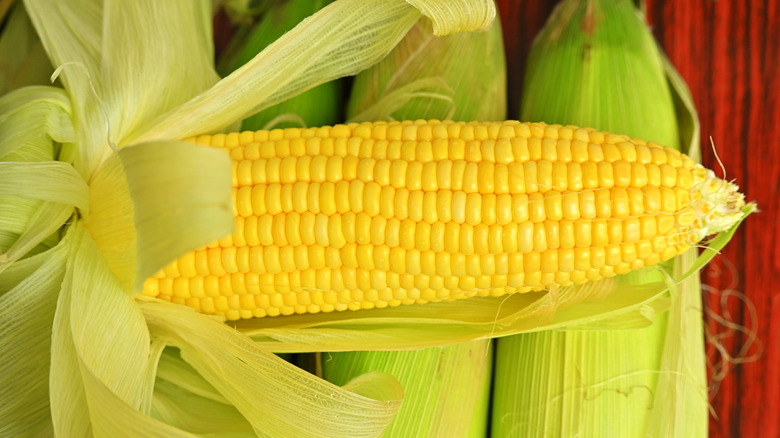
The Delight of Fresh Corn and Common Mistakes to Avoid
Corn is a quintessential summer ingredient that brings a unique blend of sweetness, crunch, and flavor to any dish. When fresh, it retains its natural moisture and sugars, offering a taste that is unmatched by other forms of corn. According to Marissa Stevens, founder of Pinch and Swirl, in-season corn is crisp, juicy, and full of life, making it a favorite among chefs and home cooks alike.
David Leite, a James Beard Award-winning food writer, agrees, emphasizing the importance of peak season for corn. “When corn is at its peak, ideally within 24 hours after picking, it's sweet, crisp, and bursting with flavor,” he says. This combination of sugar and snap is something you just can't replicate out of season, and it’s a nostalgic experience that many cherish.
Ken Tobby, a food scientist, highlights the versatility of fresh corn. Whether roasted, boiled, grilled, or eaten raw from the cob, it offers a range of culinary possibilities. “It isn’t just about its taste, though,” he adds. “It’s about the experience—its smell on the grill as well as the joy of enjoying something straight from a nearby farm.”
However, when corn is not in season, substitutes like frozen, canned, or pre-made creamed corn fall short in terms of flavor and texture. Jon Buck, a chef, admits that if corn isn't in season, he often avoids cooking it and waits until next year.
Common Mistakes to Avoid When Cooking Corn
Mistake: Buying Pre-Shucked Fresh Corn
Pre-shucked corn loses its sweetness quickly once the husk is removed. Leaving the husk on helps retain moisture and slows down the conversion of sugars into starches. If pre-shucked corn is your only option, use it the same day for the best results.
Mistake: Not Using Corn Right Away
Fresh corn should be used within a day if it's already shucked. The natural sugars in sweet corn begin converting to starch as soon as the ear is picked, which affects both flavor and texture. Refrigeration can help preserve freshness, but it's best to cook it as soon as possible.
Mistake: Insisting On Leaving Corn On The Cob
Cutting kernels off the cob opens up a world of culinary possibilities. From salads to cornbread to soups, there are countless ways to enjoy the kernels. Using a serrated knife and two bowls is an effective method for removing kernels from the cob.
Mistake: Overcooking, Undercooking, Or Cooking Corn Unevenly
Overcooking corn breaks down cell walls, leading to a mealy texture and loss of sweetness. Undercooking can leave the kernels tough and chewy. Even slight overcooking can negatively impact the texture and flavor of the corn.
Mistake: Boiling It As Your Exclusive Preparation Method
While boiling is a common method, grilling, roasting, or microwaving can enhance the flavor and texture of corn. Grilling, in particular, caramelizes the natural sugars and adds a toasty depth that boiling cannot achieve.
Mistake: Always Shucking Corn Before Grilling It
Grilling corn in the husk helps trap steam and keeps the kernels juicy while adding a light char and smoky flavor. The husk and silk come off easily once the corn is cooked, making this method both convenient and flavorful.
Mistake: Cooling It Under Water
Cooling corn under water can wash away flavor and make the kernels watery. Letting it rest on a towel or rack helps preserve texture and taste. However, if preparing for later use, plunging into ice water can halt cooking and preserve texture.
Mistake: Never Eating It Raw
Raw corn is a delightful and nutritious option. The kernels are juicy, tender, and packed with natural sweetness. Eating it raw can add a bright, crisp pop to grain bowls, salsas, and salads.
Mistake: Not Exploring A Variety Of Seasonings
Corn pairs well with a wide range of seasonings. From Mexican elote to spicy chipotle butter, there are endless ways to elevate the flavor of corn. Experimenting with different herbs, spices, and sauces can transform simple corn into a gourmet dish.
Mistake: Tossing The Corn Cobs
Corn cobs can be repurposed to make a rich and flavorful stock. Simmering them with onions, garlic, and herbs creates a base for soups, chowders, and risottos. Don’t throw them away—use them to extract maximum flavor.
By avoiding these common mistakes and embracing the versatility of fresh corn, you can fully appreciate the joy and satisfaction that this summer staple brings to your kitchen.

Post a Comment for "10 Fresh Corn Blunders to Avoid"
Post a Comment