10 Epic Masterpieces Ranked by Roger Ebert
The Legacy of Roger Ebert and His Favorite Epic Films
Roger Ebert, a towering figure in the world of film criticism, was known for his deep understanding of cinema and his ability to articulate the essence of great films. As one of the most respected critics in history, his "Great Movies" list became a benchmark for quality and influence in the industry. Among the films he cherished, epics held a special place. These grand narratives, often spanning vast landscapes and timescales, were not only visually stunning but also rich in storytelling and thematic depth. Ebert's appreciation for these works reflected his belief in cinema as an art form that could capture the breadth of human experience. Below are some of the epic films that made it into his esteemed collection.
The Godfather and The Godfather Part II: A Mob Dynasty
Francis Ford Coppola’s The Godfather (1972) and its sequel The Godfather Part II (1974) are often cited as two of the greatest films ever made. Ebert recognized their near-perfect execution, praising both for their exceptional direction, writing, and acting. While he initially gave Part II a three-star review, he later revised his rating to four stars, acknowledging the film’s complexity and its seamless integration with the original. He described the two films as inseparable, highlighting their profound impact on the genre of mob epics.
Gone With the Wind: A Civil War Masterpiece
Victor Fleming’s Gone With the Wind (1939) remains one of the most iconic films in cinematic history. Despite its controversial portrayal of race and historical accuracy, Ebert praised it as a monumental achievement in technical and artistic terms. At over four hours long, the film’s sweeping narrative and visual grandeur set a standard for epic storytelling. Ebert acknowledged its flaws but emphasized its enduring significance as a landmark in film history.
Seven Samurai: The Birth of the Action Epic
Akira Kurosawa’s Seven Samurai (1954) is widely regarded as one of the greatest action films ever made. Its premise of seven warriors protecting a village has influenced countless films, yet no work has matched its brilliance. Ebert admired the film’s fast-paced storytelling, striking visuals, and the performances of its ensemble cast. He called it the source of an entire genre that would dominate cinema for decades.
Patton: A War Film That Stands the Test of Time
Franklin Schaffner’s Patton (1970) is a powerful war film anchored by George C. Scott’s Oscar-winning performance. Ebert praised the film for its anti-war sentiment, sharp script, and lack of unnecessary subplots. Though it may not receive the same recognition as other war classics, Ebert believed it was a standout film that deserved more attention.
Fitzcarraldo: A Bold Vision of Ambition
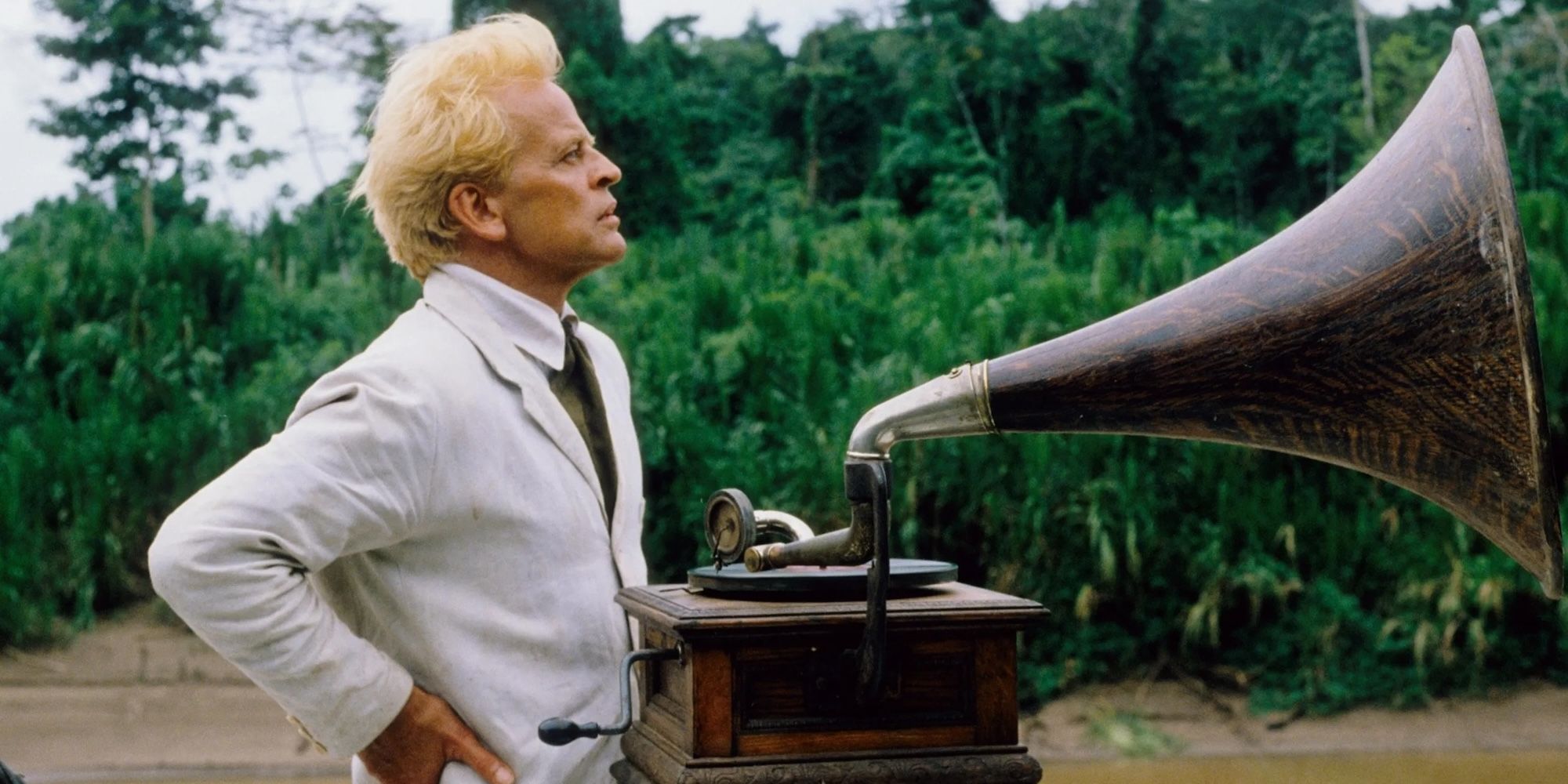
Werner Herzog’s Fitzcarraldo (1982) is known for its challenging production, including the infamous task of moving a 320-ton steamship over a mountain. Ebert admired the film’s audacity and considered it one of the best adventure movies ever made. He called it “brave and epic,” celebrating the sheer ambition behind its creation.
Cabiria: An Underrated Silent Epic
Giovanni Pastrone’s Cabiria (1914) is a silent film that Ebert considered one of the greatest epics in cinematic history. Martin Scorsese once claimed that Pastrone essentially invented the epic, and Ebert echoed this sentiment, praising the film’s technical achievements and timeless nature.
Ivan the Terrible: A Soviet Masterpiece
Sergei Eisenstein’s Ivan the Terrible (1944–1946) is a two-part historical epic that showcases Eisenstein’s groundbreaking editing techniques. Ebert admired the film’s scope, visuals, and dramatic storytelling, even if he found the narrative somewhat nonsensical. He believed it was a must-see for serious movie lovers.
Lawrence of Arabia: A Cinematic Triumph
David Lean’s Lawrence of Arabia (1962) is widely regarded as one of the greatest war films ever made. Ebert called it “a bold, mad act of genius,” praising its detailed storytelling, breathtaking visuals, and immersive depiction of T.E. Lawrence’s military career. He described experiencing it in 70mm as a must-do for any film enthusiast.
La Dolce Vita: A Revolutionary Italian Epic
Federico Fellini’s La Dolce Vita (1960) is a groundbreaking film that redefined the concept of an epic. Though unconventional, Ebert praised its boundless energy and artistic vision. Initially giving it three stars, he later revised his rating to a perfect four, recognizing its lasting impact on cinema.
2001: A Space Odyssey: A Philosophical Journey
Stanley Kubrick’s 2001: A Space Odyssey (1968) is one of the most influential science fiction films ever made. Ebert called it “a philosophical statement about man’s place in the universe,” praising its complex storytelling and stunning visuals. He considered it a masterpiece that showcased Kubrick’s artistic confidence and visionary approach.

Post a Comment for "10 Epic Masterpieces Ranked by Roger Ebert"
Post a Comment