10 Coffee Brew Methods and Their Origins
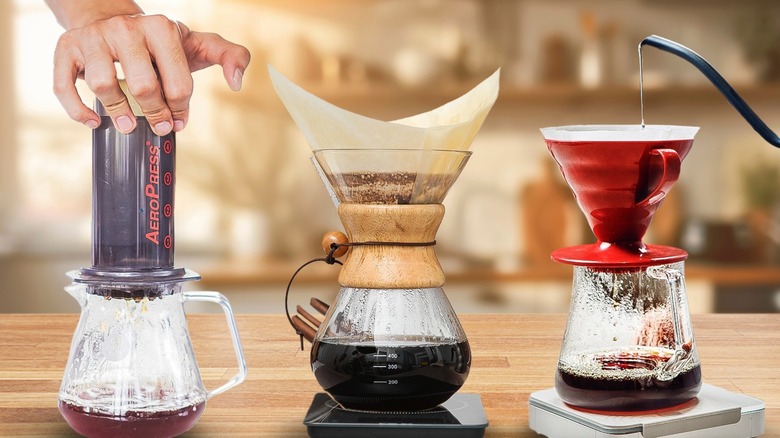
The Evolution of Coffee Brewing
Coffee has been a staple in human culture for centuries, with its journey from the 10th century to modern-day coffee shops revealing an intricate evolution. Initially, people consumed coffee berries whole or fermented them into a wine-like substance. By the 1400s, it had spread across the Middle East and North Africa, eventually reaching Europe where it became a social phenomenon, leading to the rise of coffee houses in cities like Venice, Oxford, and Vienna.
Today, Americans consume nearly 1.7 million tonnes of coffee annually, with 66% of the population drinking at least one cup daily. This wide range of consumption habits includes everything from instant coffee to elaborate brewing methods that require precision and patience.
Popular Coffee Brewing Methods
AeroPress
Invented in 2005 by engineer Alan Adler, the AeroPress combines elements of pour-over and French press techniques. It uses pressure and immersion to produce a clean, flavorful brew. Users can choose between a standard or inverted method, each offering different characteristics in terms of strength and clarity.
Pour-over
This method involves passing hot water through coffee grounds and a filter, resulting in a clean and nuanced flavor. Developed by Melitta Bentz in 1908, the pour-over technique revolutionized coffee brewing by introducing disposable filters. Whether using a Hario V60 or a Chemex, the process allows for a meditative experience while ensuring a sediment-free cup.
Turkish Coffee
Unlike other methods, Turkish coffee does not use filtration. The beans are ground extremely fine and brewed in a copper pot called a cezve. The coffee is heated in a sand bowl, which ensures even heat distribution. Served in small cups, it holds cultural significance in Turkey and is used for fortune-telling.
Moka Pot
The moka pot, invented in 1933 by Alfonso Bialetti, is a simple yet effective device. It uses steam pressure to brew a strong, espresso-like coffee. Its design was a novelty during the modernist era and remains a popular choice for home brewers.
Percolator
Despite being criticized for producing bitter coffee, the percolator is known for its convenience. It works by circulating water through coffee grounds until it reaches the desired strength. Though less favored by coffee purists, it remains a staple for many households.
Espresso Machine
Espresso machines operate under high pressure (around 9 bars) to extract a concentrated shot of coffee. They were developed to meet the demand for quick service in cafés. The invention of the electric pump in 1961 marked a significant milestone in the history of espresso.
French Press
The French press is a straightforward method that involves steeping coffee grounds in hot water before pressing them out. It offers a rich, full-bodied flavor due to the oils left in the brew. The design has evolved over time, with improvements such as metal filters and better plunger mechanisms.
Cold Brew
Cold brewing involves steeping coffee grounds in cold water for 12–24 hours, resulting in a smoother, less acidic beverage. Originating in the 1600s, it gained popularity in the U.S. in the late 1990s and early 2000s. Nitro cold brew, infused with nitrogen, adds a creamy texture to the drink.
Coffee Pod Machines
Devices like Nespresso and Keurig offer convenience with single-serve capsules. While they lack the customization of other methods, they provide a consistent and strong brew. The concept was pioneered by Nestlé engineer Eric Favre in the 1970s and gained widespread popularity in the 1980s.
Siphon
Siphon brewers, also known as vacuum brewers, create a visually appealing and complex brewing process. They involve two chambers and rely on vapor pressure to move water through coffee grounds. Though more of a novelty today, they produce a clean and smooth cup when operated correctly.
Each of these methods reflects the diverse ways in which humans have approached coffee brewing, blending tradition with innovation to create a rich and varied coffee culture.

Post a Comment for "10 Coffee Brew Methods and Their Origins"
Post a Comment