Wisconsin 2025 Hunting Season: Key Updates and Expectations
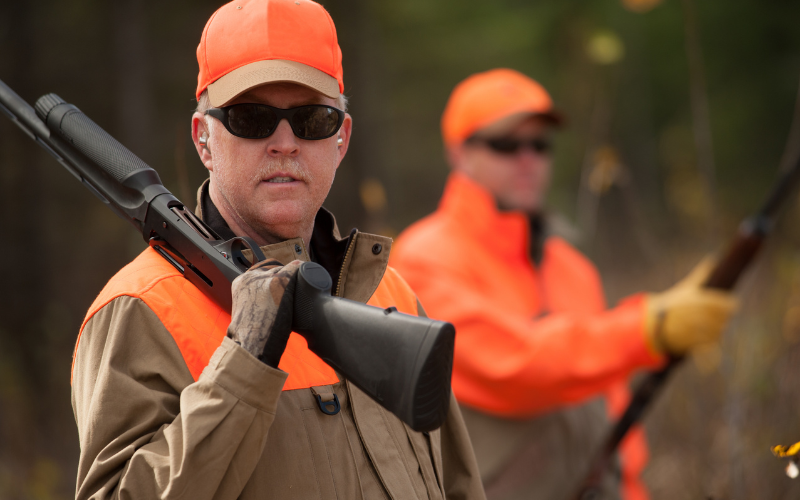
Preparing for the 2025 Fall Hunting and Trapping Season in Wisconsin
As the warmth of summer gradually gives way to the cool, crisp air of fall, Wisconsin’s hunters and trappers begin their annual preparations for one of the most anticipated times of the year. The state's natural landscapes, from dense forests to open prairies, come alive with activity as wildlife becomes more active and visible. This transition marks the start of the fall hunting and trapping season, a time when outdoor enthusiasts eagerly anticipate the thrill of the hunt.
The Wisconsin Department of Natural Resources (DNR) has recently released its comprehensive 2025 fall hunting and trapping forecasts. These reports serve as essential resources for those planning to spend time in the field, offering detailed insights into the expected conditions and behaviors of various game species. Whether you're a seasoned hunter or just starting out, these forecasts provide valuable information that can enhance your experience in the great outdoors.
Key Species to Watch
The 2025 forecasts cover a wide range of popular game animals, including deer, bear, turkey, upland game birds, migratory birds, and furbearers. Each species presents unique challenges and opportunities, and understanding their habits and population trends can make a significant difference in the success of your hunt.
-
Deer: White-tailed deer remain one of the most sought-after game animals in Wisconsin. The forecast includes data on population health, habitat conditions, and expected movement patterns during the hunting season.
-
Bear: Black bear populations have been steadily increasing in recent years. The report outlines how this growth may impact hunting opportunities and what strategies might be effective for locating and harvesting bears.
-
Turkey: Both gobblers and hens are important targets for many hunters. The forecasts provide details on breeding cycles, roosting areas, and other factors that influence turkey behavior.
-
Upland Game Birds: Species such as pheasants, quail, and partridges are also covered. These birds play a vital role in Wisconsin’s ecosystem and offer exciting challenges for hunters who enjoy the sport of upland bird hunting.
-
Migratory Birds: Waterfowl like ducks and geese are a favorite among many hunters. The forecasts include information on migration patterns, hunting regulations, and the best locations to set up for a successful hunt.
-
Furbearers: Animals such as raccoons, foxes, and otters are also included in the report. These species are often targeted by trappers, and the forecasts provide guidance on trapping methods and seasonal timing.
Practical Information for Hunters
In addition to species-specific details, the 2025 forecasts contain practical advice for all types of hunters and trappers. This includes tips on gear preparation, safety practices, and ethical hunting behaviors. The DNR emphasizes the importance of following local regulations and respecting wildlife conservation efforts.
The reports also highlight changes in hunting seasons, license requirements, and any new policies that may affect how and where people can hunt. Staying informed about these updates is crucial for ensuring a safe and legal experience in the field.
Conclusion
As the fall season approaches, the 2025 hunting and trapping forecasts from the Wisconsin DNR serve as an invaluable resource for anyone looking to make the most of the outdoor opportunities available. By combining scientific research, field observations, and expert knowledge, these reports help hunters and trappers better understand the environment they will be working in. Whether you're chasing deer through the woods or setting traps for furbearers, the 2025 forecasts provide the information needed to plan a successful and enjoyable season.

Post a Comment for "Wisconsin 2025 Hunting Season: Key Updates and Expectations"
Post a Comment