Why Train Wi-Fi in Britain Fails
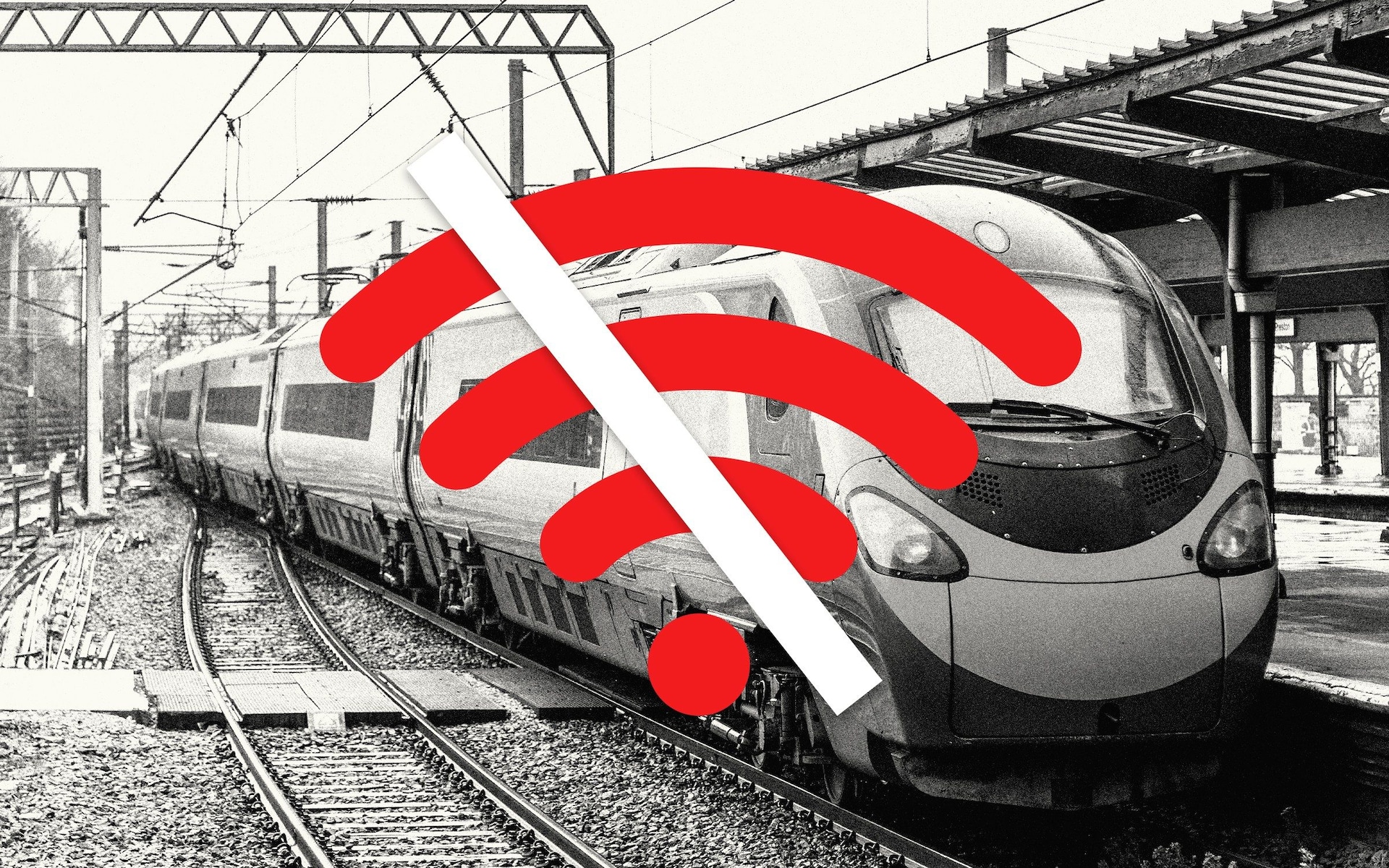
The Struggle for Reliable Train Wi-Fi in the UK
If you're trying to read this article while on a train and your internet connection is painfully slow, you’re not alone. For years, train passengers across the UK have endured frustratingly poor Wi-Fi connections, often worse than what’s available on long-haul flights. However, there may be hope on the horizon as officials are now working to improve connectivity across the country's railway network.
Regular commuters can attest to the need for improvement. While modern airplanes offer fast internet over the Atlantic, many train journeys between major cities still struggle with slow or unreliable connections. This issue isn’t just an inconvenience—it affects productivity, especially for those who rely on train Wi-Fi for work.
Understanding the Challenges of Train Wi-Fi
The problem lies in how train Wi-Fi actually works. Unlike home broadband, it relies on mobile signals that are transmitted through antennas on top of the train. These signals are then distributed to devices onboard. However, maintaining a stable connection while traveling at high speeds presents unique challenges.
“Train Wi-Fi isn't broadband—it's more like a mobile signal,” explains Mark Smith, a well-known travel blogger. As trains move from one area to another, they frequently switch between different mobile network operators, which can cause disruptions. Additionally, many routes pass through rural areas where mobile signal strength is weaker.
This leads to what Icomera, a company that provides internet services on most UK trains, calls “grey spots”—areas where Wi-Fi appears to be available but is actually unstable. These spots can lead to frustrating experiences, such as seeing a Wi-Fi icon on your device but being unable to connect to anything.
Efforts to Improve Connectivity
Whitehall has recognized the need for improvement and has allocated £100 million to boost connectivity. Part of this plan includes installing new fiber-optic cables along some of the busiest routes. The goal is to eliminate connectivity gaps by 2028, particularly on the East Coast, West Coast, and Great Western lines.
However, upgrading infrastructure isn’t without its challenges. Even with better fiber networks, the installation of new mobile base stations is required. This process is time-consuming and costly, and it may take several years before significant improvements are seen.
Another issue is the outdated technology used on many trains. Most of the hardware currently in use is at least ten years old, and advancements in technology have made older systems less effective. Despite surveys showing that around half of passengers rely on Wi-Fi during their journey, upgrades haven’t been a priority due to financial constraints.
Innovative Solutions on the Horizon
There are, however, some positive developments. On parts of the South Western Railway, passengers now enjoy faster 5G-enabled Wi-Fi thanks to new infrastructure. This service covers approximately 43.5 miles of track between West London and Basingstoke.
In Scotland, train operators are testing Elon Musk’s Starlink satellite internet service to provide reliable connectivity on remote railway lines. This trial, which runs until the end of the year, could pave the way for broader adoption of satellite-based internet on trains.
While this approach requires significant investment, it could offer a viable solution for areas where traditional mobile networks struggle to provide consistent coverage.
A Long Road Ahead
Despite these efforts, reliable train Wi-Fi may still be years away. In the meantime, passengers will have to endure the current limitations. While it’s certainly inconvenient to be unable to check emails or stream content, it’s a small price to pay compared to the alternatives—like bus replacement services.
As the railway network continues to evolve, the focus remains on finding sustainable solutions that can deliver the connectivity passengers desperately need. Whether through improved infrastructure, new technologies, or innovative partnerships, the future of train Wi-Fi in the UK looks promising, even if progress is slow.

Post a Comment for "Why Train Wi-Fi in Britain Fails"
Post a Comment