Why Japan's Traffic Lights Are Blue, Not Green
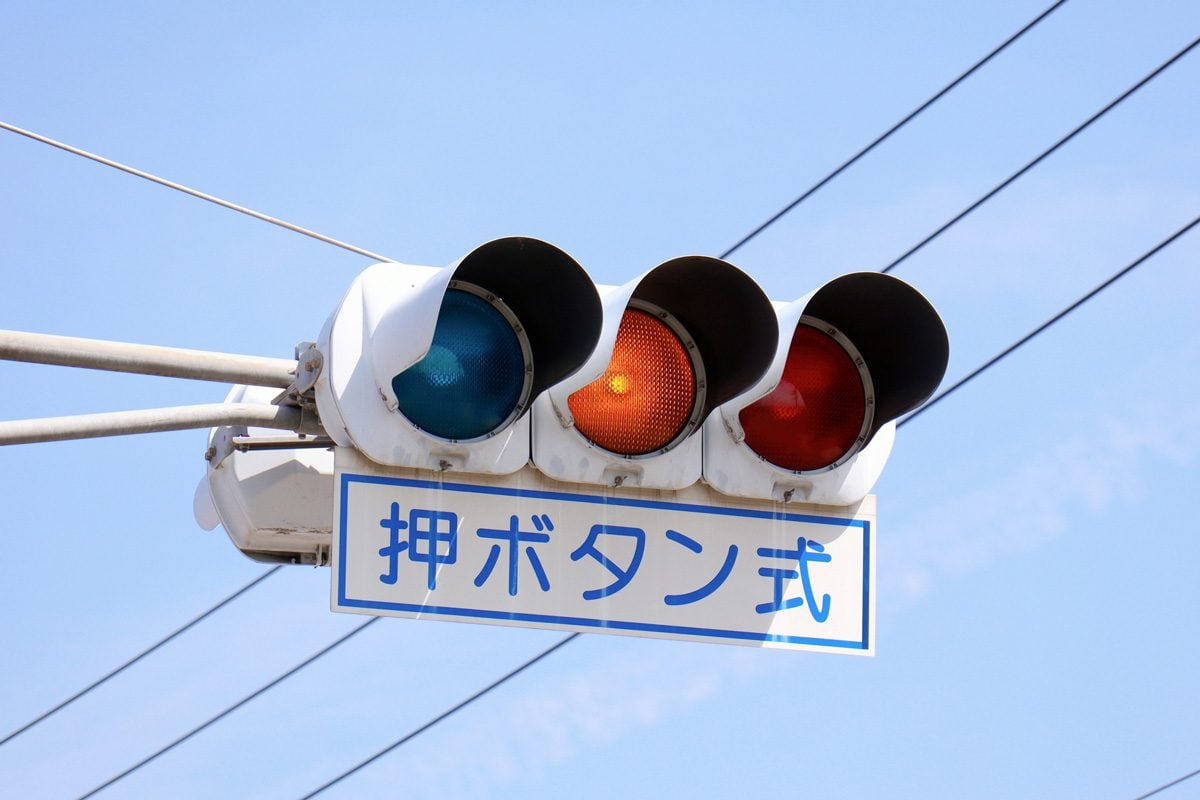
The Curious Case of Japan’s “Blue” Traffic Lights
From the moment we learn to drive, we are taught that green means go and red means stop. This color-coded system is used across most of the world, but in Japan, there's a twist. While traffic lights are generally green, they are often referred to as blue in the Japanese language. This peculiar phenomenon has sparked curiosity among travelers and language learners alike. To understand why this happens, it's important to look into the history of the Japanese language and its evolution over time.
A Historical Perspective on Color Terminology
In ancient Japanese, the vocabulary for colors was much more limited. According to Katsuhiro Ito, a Japanese language teacher with over 20 years of experience, only four color names existed: red, black, white, and blue. The term "ao" was used to describe a wide range of colors, including what we now call green. This broad usage of "ao" persisted for centuries before the word "midori," which refers to the color of nature and greenery, began to emerge during the Heian Period (794–1185).
Ito explains that this shift in terminology was not unique to Japanese. Many languages historically had a limited number of color terms. However, even with the expansion of the language, the influence of these early terms can still be seen today. For instance, "ao" is still sometimes used to describe green things, even though the word "midori" is now more commonly associated with green.
Why Are Traffic Lights Called Blue?
Despite the historical context, many foreigners find it confusing when they hear Japanese speakers refer to green traffic lights as "blue." Makiko Yamagata, a native Japanese speaker from Nagoya, notes that this is so ingrained in the language that she only noticed the discrepancy after her foreign friends asked about it. She continues to use the term "ao" to describe the traffic lights, and even teaches her children to do the same.
The origins of this terminology can be traced back to the introduction of traffic signals in Japan during the 1930s. At that time, the green light was sometimes called green, just like in other countries. However, after World War II, the Road Traffic Act of 1960 officially described the traffic light as "ao," a designation that has remained in place ever since.
The Conflict Between Tradition and Global Standards
This decision sparked some controversy, particularly among linguists who felt that the term "ao" should not be used for green lights. International standards, such as those set by the Vienna Convention on Road Signs and Signals Treaty in 1968, expected traffic lights to be green. However, the Japanese government sought a compromise in 1973 by issuing a cabinet order that required traffic lights to be a shade of blue-green. This move aimed to satisfy both international expectations and local linguistic habits.
While the regulation seemed to resolve the issue on paper, it continues to cause confusion for travelers and non-native speakers. The visual appearance of the lights may vary, but in Japanese, they are still referred to as "ao."
Other Examples of Green Things Called Blue
Traffic lights are not the only examples of green things being referred to as blue in Japanese. The word "ao" is used in various contexts, often describing young or fresh items. For example:
- Aoringo: Green apple
- Aotake: Young bamboo
- Aota: A rice field with unripe green rice plants
- Aonori: A type of green seaweed used in dishes like okonomiyaki
Additionally, "ao" can imply youth or inexperience. For instance, "kare wa mada aoi" translates to "he is still inexperienced." In this case, "ao" technically means blue, but it conveys the same meaning as "green" in English.
Understanding the Linguistic Nuance
Even though traffic lights are visually green, they are referred to as "ao" in Japanese. This linguistic choice reflects the deep-rooted history of the language and its evolving relationship with color terminology. For native speakers, this is perfectly natural, but it can be confusing for outsiders.
If you're planning a trip to Japan and find yourself in a car with native speakers, remember: "ao" means go, not green. Understanding this nuance can help avoid confusion and enhance your travel experience.
Conclusion
Japan's "blue" traffic lights are a fascinating example of how language evolves and adapts over time. While the visual appearance of the lights may be green, the term "ao" remains deeply embedded in the Japanese language. This unique aspect of the language highlights the importance of understanding cultural and historical context when interpreting everyday words and phrases.

Post a Comment for "Why Japan's Traffic Lights Are Blue, Not Green"
Post a Comment