What You Need to Know About CTE, the Brain Condition Tied to Football and the Manhattan Shooting
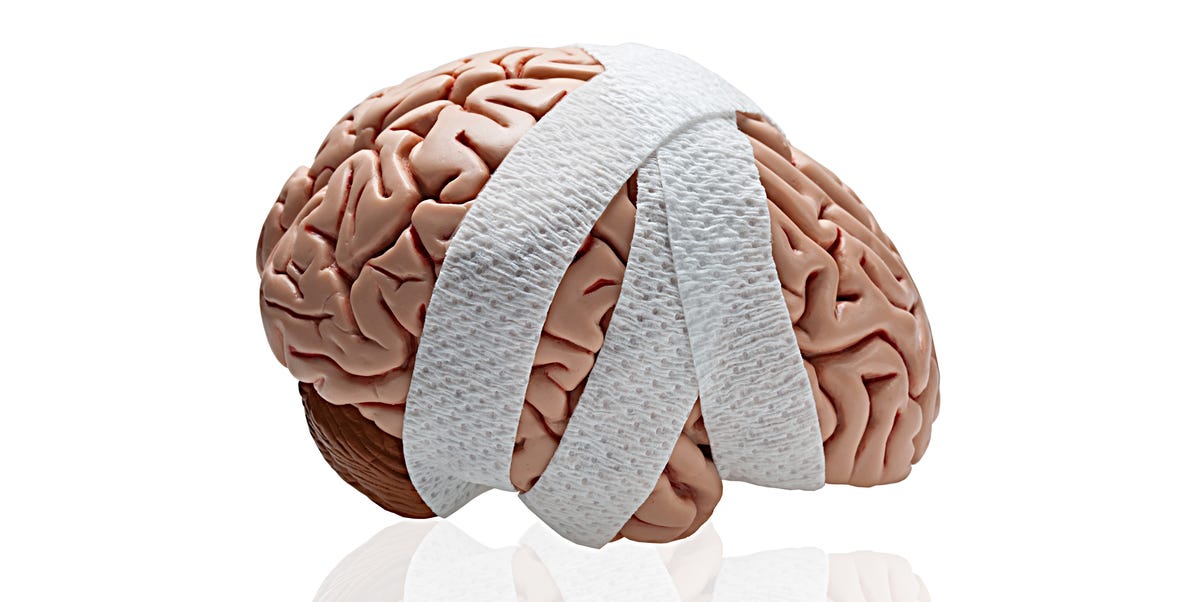
Understanding Chronic Traumatic Encephalopathy (CTE)
Chronic traumatic encephalopathy, or CTE, has recently reemerged in public discourse following a tragic incident involving a former high school football player who opened fire in a Manhattan office tower on Monday, resulting in four fatalities. The individual, Shane Tamura, was found to have a three-page note in his wallet that claimed he suffered from CTE, a severe brain condition often associated with individuals involved in contact sports. The note also suggested that the NFL concealed the risks of developing CTE from its players. Tamura later died by suicide, an act more commonly observed in individuals with CTE who choose this method.
The note reportedly included the words, “Study my brain please,” and “I’m sorry.” While CTE has periodically made headlines due to such tragedies, ongoing research continues to explore the condition and ways to prevent it. For those unfamiliar with CTE, understanding its implications is crucial.
What Is CTE?
CTE is classified as a progressive neurodegenerative disease that leads to brain damage similar to what is seen in Alzheimer’s patients. According to the National Institutes of Health (NIH), there is a known link between repeated head trauma, contact sports, and the development of CTE. The condition permanently damages nerve cells in the brain, which can lead to changes in behavior and mental abilities over time.
Symptoms of CTE include difficulty with thinking and memory, suicidal thoughts, mood and personality changes, balance issues, and tremors, as noted by the Centers for Disease Control and Prevention (CDC). However, it is important to note that CTE can only be diagnosed posthumously by examining brain tissue. Currently, there is no way to diagnose CTE in living individuals.
Ongoing Research Into CTE
Research into the prevalence and risk factors of CTE is ongoing, with some findings raising concerns. A 2023 study published in JAMA Neurology analyzed 152 brains from individuals with a history of repetitive head impacts from contact sports. The results showed that over 40% of the donors had CTE, with most cases being mild. The majority of those with CTE were older, and the most common causes of death were suicide and drug overdoses.
Another 2024 study in JAMA Neurology surveyed former professional football players, with 34% reporting they believed they had CTE. This highlights the potential impact of the condition on athletes. Additionally, a 2017 study published in JAMA found that 99% of 111 former NFL players examined had CTE, underscoring the serious risks associated with the sport.
Efforts to Reduce CTE Risk
The NFL has faced increasing pressure to reduce the risk of head injuries, including concussions, which are linked to CTE. Over the years, concussion rates have decreased, with the league reporting a historic low in 2024. The organization introduced Guardian Caps, soft-shell helmet covers designed to cushion impacts, but their effectiveness remains questionable.
A pre-print study from 2023 found no significant difference in head impact measurements when NCAA Division I football players wore the caps. This suggests that while efforts are being made to improve safety, more effective solutions may still be needed.
Recognizing and Addressing Symptoms
John Leddy, MD, medical director of the University at Buffalo Concussion Management Clinic, emphasizes that while CTE cannot be diagnosed in living individuals, those experiencing cognitive or emotional symptoms after years of contact sports should not assume they have the condition. Other treatable conditions, such as obesity, depression, and chronic pain, may present similar symptoms. It is essential for individuals experiencing distress to seek medical and psychological help to identify and address underlying issues.
Efforts to make sports safer through rule changes, improved equipment, and increased awareness continue. Recognizing concussion symptoms, removing individuals from activities immediately, and seeking proper treatment are key steps in reducing long-term consequences of brain injuries.
Conclusion
As research into CTE progresses, it becomes increasingly clear that the condition poses significant risks, particularly for athletes involved in contact sports. While the NFL and other organizations have taken steps to reduce head injuries, more work is needed to ensure the safety of athletes and address the long-term effects of repeated trauma. Continued awareness and support for those affected by CTE remain vital in the fight against this devastating condition.

Post a Comment for "What You Need to Know About CTE, the Brain Condition Tied to Football and the Manhattan Shooting"
Post a Comment