Watch: Subtle New Signs in South Texas Military Border Zone
New Military Zone on the U.S.-Mexico Border Raises Concerns
A small fishing boat glided from the waters of the Rio Grande into the boat ramp of an RV park in Mission, Texas, on a Friday morning. As it passed through, it ignored a new sign that marked the area as "restricted" and part of a military zone. However, the driver of the boat never noticed the sign. This lack of awareness is not uncommon among local boaters and fishermen who have spoken with reporters about their experience.
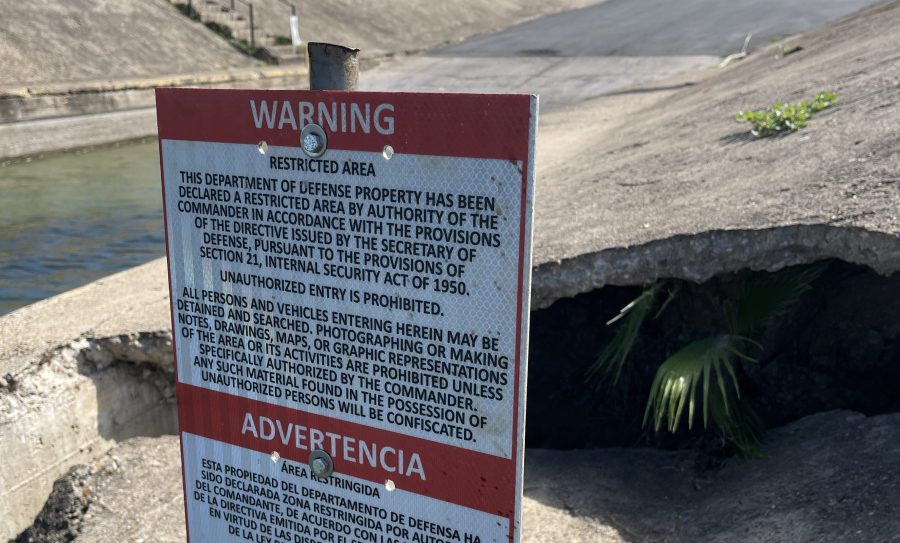
The red and white sign, which was placed on Wednesday night, features bold black lettering and warns: “Warning: Restricted area. This Department of Defense property has been declared a restricted area by authority of the commander. Unauthorized entry is prohibited. All persons and vehicles entering herein may be detained and searched. Photographing or making notes, drawings, maps or graphic representations of the area or its activities are prohibited unless specifically authorized by the commander. Any such material found in the possession of unauthorized persons will be confiscated.”
Despite being available in both English and Spanish, the signs are not easily visible to those traveling quickly on the water. This raises concerns that individuals attempting to cross the border illegally might also overlook them. Several boaters told reporters they could not see the sign from the water and plan to continue using the river for recreational purposes.
Expansion of Military Presence Along the Border
Last month, the Defense Department announced that 250 miles of land previously owned by the International Boundary and Water Commission in Hidalgo and Cameron counties would now be part of Joint Base San Antonio. The Air Force stated that this new zone is a National Defense Area designed to support the Department of Defense’s mission to secure the southern border in coordination with inter-agency and partner stakeholders.
However, the exact width of the military buffer zone in this region remains unclear. While previous National Defense Areas established in the El Paso area and along New Mexico’s entire border with Mexico are 60 feet wide, federal officials have indicated that some zones can be as wide as a mile in undisclosed locations. To date, 2,000 of these signs have been installed across the border region.
Migrants who enter the country illegally and set foot on a National Defense Area may face additional charges of trespassing onto military property, in addition to the standard charges of illegal entry. This creates a complex legal landscape for those crossing the border.
Local Concerns and Confusion
South Texas county judge Richard Cortez recently expressed concern over the military zone, calling it “drastic.” He noted that he was not informed or consulted about the zone until after it was announced. When asked about the implications for residents trying to access the river or their borderland properties, local officials said they are still working to understand the full impact and are seeking more guidance from the military.
On Friday, there were no visible signs warning people that they were entering a restricted area from the U.S. side. A giant brown cow was seen crossing from farmlands in Reynosa, Mexico, to drink water from the Rio Grande. It appeared to glance toward the sign near the Chimney RV Park boat ramp but then returned to grazing.
A Border Patrol official at the RV Park admitted he was searching for the new sign. Another law enforcement officer mentioned that three or four signs were placed on Wednesday night, with more to follow. The sign at the Chimney RV Park boat ramp faces the Rio Grande but is not visible from the shoreline. A park employee reported that residents have raised concerns about the placement and visibility of the sign.
Ongoing Uncertainty and Calls for Clarity
Residents and local officials alike are struggling to understand what this new military zone means for their daily lives. While the signs are meant to serve as warnings, many believe they are too small and not prominently displayed. This lack of clarity has led to confusion among the community and raised questions about how access to the river and surrounding areas will be affected in the future.
As the situation continues to unfold, there is a growing demand for more information and transparency from federal authorities. Until then, the community remains in a state of uncertainty, hoping for clear guidelines that balance national security with the needs of local residents.

Post a Comment for "Watch: Subtle New Signs in South Texas Military Border Zone"
Post a Comment