W&W: Should Trump Stay Out of Sports?
A Conversation on Sports, Politics, and Respect
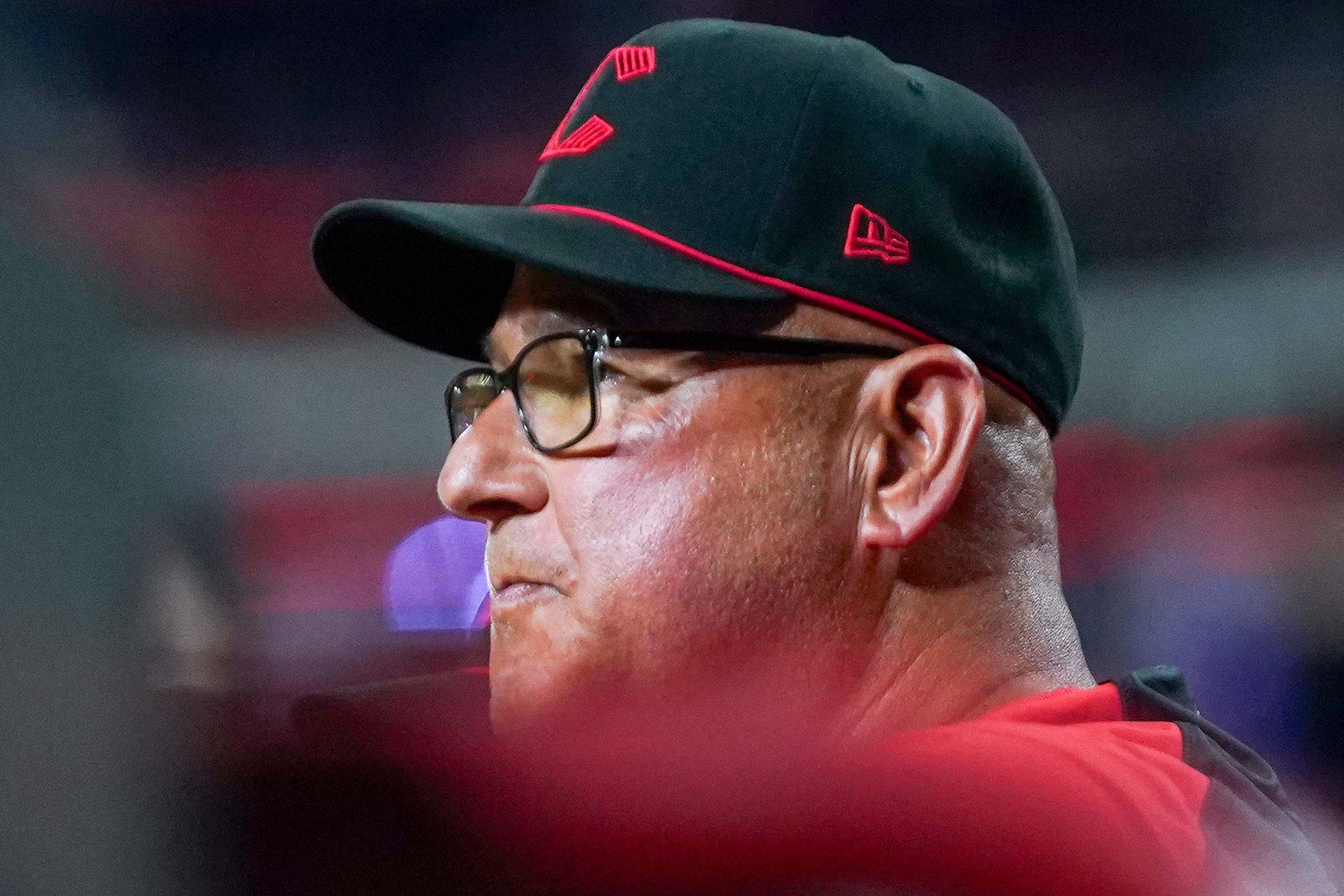
Gordon Wittenmyer and Jason Williams, two seasoned voices in sports and journalism, recently engaged in a thoughtful discussion about the intersection of sports and politics. This conversation centered around Cincinnati Reds manager Terry Francona, who previously led the Cleveland Guardians, and his response to former President Donald Trump’s comments regarding the potential return of controversial team nicknames. Their dialogue highlights the broader debate about whether athletes and coaches should engage with political issues or remain focused solely on their sport.
Williams began by expressing admiration for Francona, not just as a baseball manager but as a person who demonstrates genuine respect and empathy. He noted that Francona’s response to questions about Trump’s stance on team names showed a level of courage and integrity that many might not expect from a sports figure. “There’s so much more to him than baseball,” Williams said. “I gained a whole other level of respect for him when he addressed those issues.”
Wittenmyer agreed, emphasizing that Francona’s ability to speak honestly and with decency is rare in the world of sports. “He has connected so well with players and staff over the years because of that,” he added. However, not everyone was pleased with Francona’s public stance. Some fans and readers suggested that he should stick to baseball and avoid political topics. “Predictable, but sad,” Wittenmyer remarked.
The conversation then shifted to the broader relationship between sports and politics. Williams pointed out that sports are deeply intertwined with cultural and societal issues. From Jackie Robinson breaking the color barrier to labor battles and economic concerns, sports have always reflected the world around them. “Sports cross every cultural facet of our lives,” he said. “It’s hard to avoid almost across the board.”
Wittenmyer echoed this sentiment, noting that even everyday activities like buying groceries or attending a game can have political implications. “Every time I buy something in Hamilton County, I’m helping pay for the Reds and Bengals stadiums with the sales tax,” he said. “And all for the privilege of paying higher ticket prices when the new stadium opens.”
The discussion also touched on the financial aspects of professional sports, particularly the allocation of public funds for stadium construction. Williams highlighted the $600 million handout to the Cleveland Browns as an example of how public money is often used to support private interests. “No independent study has ever shown that the public gets its money back on these stadiums and arenas,” he said.
Despite their differences, both journalists acknowledged that mixing sports and politics can be tricky. “There are landmines in mixing the two, but sometimes it’s unavoidable,” Williams admitted. “Even though a lot of people say sports should be their escape from real-world issues.”
Wittenmyer argued that sports have become such a significant part of American culture that they inevitably intersect with politics, economics, and social issues. “Sports touches everything in our society – and vice versa,” he said.
In closing, the conversation returned to the importance of basic human decency and respect. Williams noted that many issues shouldn’t be politicized, and that public accountability should take precedence over partisan divides. “Basic human decency and respect can never be political,” he said.
Wittenmyer agreed, emphasizing that while the relationship between sports and politics is complex, there are certain values that should remain universal. “We should at least be able to agree on basic facts, basic decency, and long settled debates,” he said.
Ultimately, the discussion reaffirmed the idea that sports, while often seen as a separate sphere, are deeply connected to the world we live in. Whether it’s a manager speaking out on social issues or a fan paying taxes for a stadium, the lines between sports and politics are often blurred. And as Francona demonstrated, sometimes the most powerful messages come from those who are willing to speak up.

Post a Comment for "W&W: Should Trump Stay Out of Sports?"
Post a Comment