USS Louisiana-USNS Eagleview Collision: A Navy Disaster Unveiled
A Growing Concern in the U.S. Navy
The United States Navy, once a symbol of maritime dominance and technological superiority, is facing a series of challenges that raise serious concerns about its operational effectiveness. While it remains one of the most advanced naval forces globally, recent events have highlighted a troubling decline in seamanship and operational discipline. This pattern of incidents suggests that the Navy is struggling with a combination of training deficiencies, inadequate resources, and an overreliance on technology.
One of the most significant issues the Navy faces is the shortage of ships and submarines. With a fleet that has not kept pace with global threats and strategic demands, the Navy is increasingly stretched thin. Additionally, recruitment and training have become more difficult, leading to a workforce that may not be as prepared as it should be for the complex tasks required in modern naval operations.
A Notable Incident: The 2016 Collision
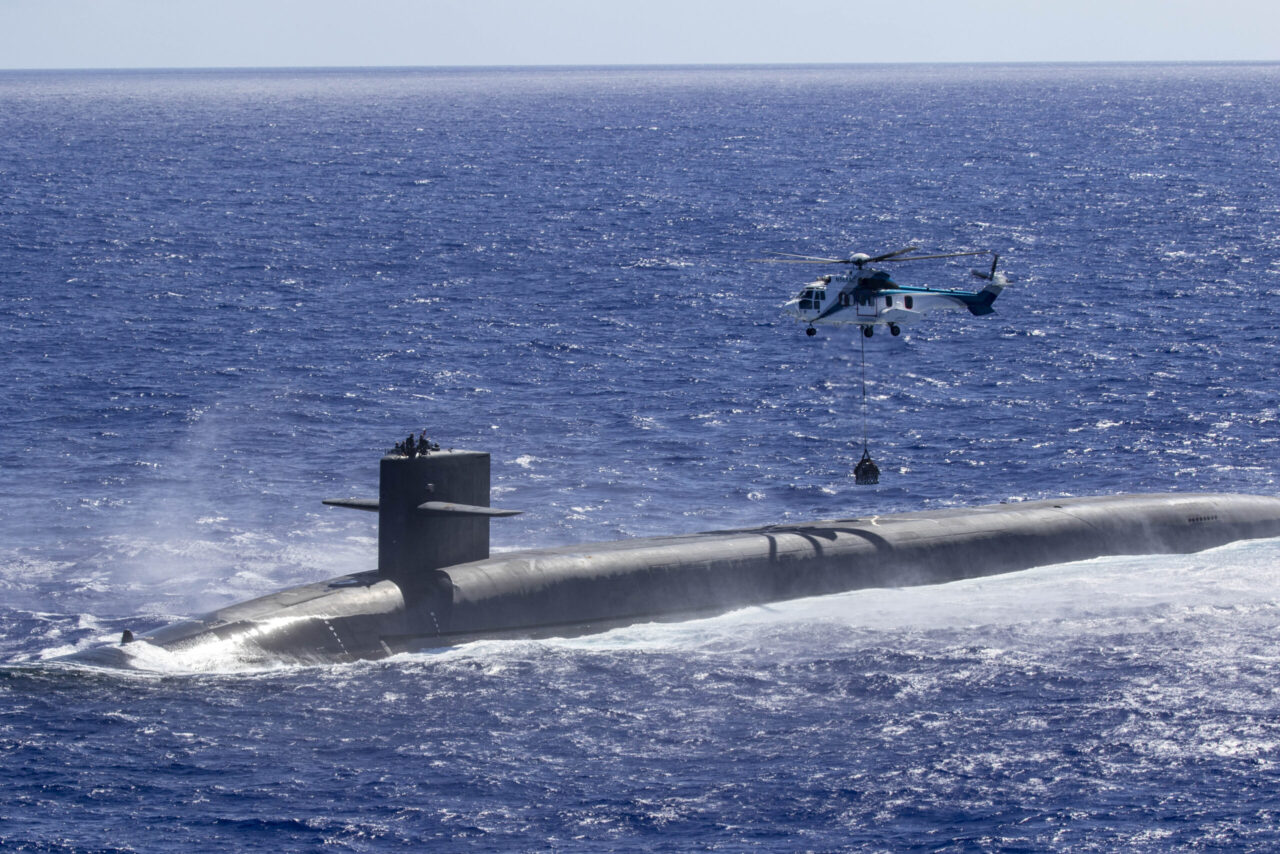
A 2016 incident involving the Ohio-class nuclear missile submarine USS Louisiana (SSBN-743) and the USNS Eagleview serves as a stark example of these growing problems. The collision occurred in the Strait of Juan de Fuca off Washington State’s coast during routine operations. The Louisiana had surfaced earlier that day to transfer a sailor for humanitarian reasons, after which it planned to continue its course toward the Pacific Ocean.
The USNS Eagleview, a 250-foot offshore support vessel operated by contractors from Hornbeck Offshore Services, was escorting the submarine. However, the Eagleview unexpectedly veered into the Louisiana, causing damage to the submarine’s sonar dome. Both vessels managed to return to port without any injuries, but the incident revealed critical lapses in coordination and communication.
Lessons Learned from the Investigation
An investigation conducted by the commander, submarine force, US Pacific Fleet (COMSUBPAC), uncovered several contributing factors. The master of the Eagleview, who had been on duty for 14 hours, failed to switch the navigation system from “hold heading” mode to manual, resulting in the ship drifting uncontrollably toward the submarine. Meanwhile, the Louisiana’s crew assumed that escort vessels would always yield, neglecting to monitor the situation closely. Communication breakdowns and a lack of vigilance further exacerbated the issue.
This incident echoed similar mistakes seen in a 2011 near-miss involving the USS Kentucky, where complacency led to the captain being relieved of duty. These events point to a broader trend of declining seamanship across the Navy, raising alarms about the potential for more severe accidents.
Financial and Operational Impact
The USS Louisiana sustained significant damage, including to its forward starboard hull, sonar dome, hydrophone, and ballast tank. Repair costs were estimated at around $10 million, and the submarine was sidelined for months. The USNS Eagleview also required approximately $400,000 in repairs, including replacing its propeller and rudder.
In response to the incident, the COMSUBPAC investigation recommended procedural reviews, including enhanced coordination between the Navy, US Coast Guard, and submarine fleets. Emphasis was placed on fatigue management, communication, and vigilance. The Military Sealift Command was also urged to pursue contractual recovery for damages.
A Pattern of Concern
The 2016 collision was not an isolated event. More recently, the USS Connecticut, a Seawolf-class submarine, reportedly crashed into an underwater mountain in the South China Sea. This incident left the submarine out of commission for years, creating a gap in America’s already limited Seawolf-class fleet.
These recurring issues suggest that the Navy is facing a systemic problem. If left unaddressed, they could lead to catastrophic consequences, similar to those experienced by the Russian Navy during the post-Soviet era. The collision between the Eagleview and the Louisiana serves as a warning of the decline that has been allowed to persist within the Navy for far too long.

Post a Comment for "USS Louisiana-USNS Eagleview Collision: A Navy Disaster Unveiled"
Post a Comment