US Needs to Simplify Drone Process to Stop Cartel Drones at the Border, Lawmaker Says
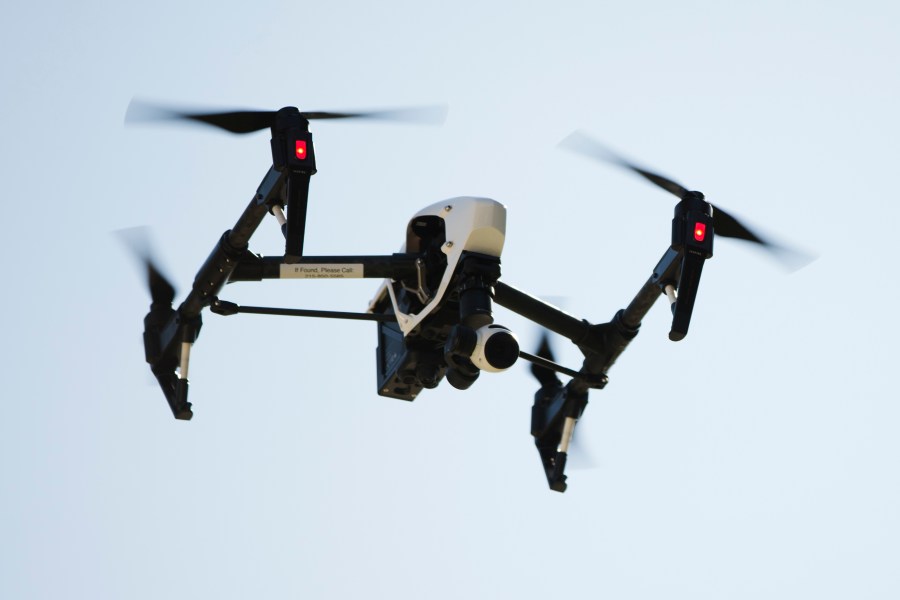
U.S. Officials Push for Streamlined Drone Procurement to Strengthen Border Security
As the United States continues to explore ways to enhance national security, there is growing momentum around the use of drones—both for military and border surveillance purposes. Defense Secretary Pete Hegseth recently announced a major shift in the country’s approach to drone production, emphasizing the need to reduce bureaucratic hurdles that have slowed down the deployment of these technologies. This move has sparked discussions among lawmakers about the potential benefits of applying similar changes to the procurement process used by the Department of Homeland Security (DHS) along the Southwest border.
A Call for Faster Drone Deployment
U.S. Rep. Henry Cuellar, a Democrat from Texas, has been vocal about the challenges faced by DHS in acquiring and deploying drones for border surveillance. He pointed out that the current procurement process is slow and cumbersome, putting the United States at a disadvantage when compared to groups like Mexican cartels, which are known to operate thousands of drones across the border. Unlike the government, these criminal organizations do not face the same regulatory barriers, allowing them to quickly deploy drones for smuggling and other illicit activities.
“Drones are something that we need to use more of,” Cuellar said. “We’ve seen the possibilities and opportunities they can provide. The U.S. has to do a better job at using drones, but also countering them. The procurement process is part of the issue that we need to address.”
Cuellar, who serves on both the Homeland Security Appropriations Subcommittee and the Defense Appropriations Subcommittee, emphasized the need for a more efficient system that would allow for faster acquisition and deployment of drones. He noted that while the military is making progress, the same cannot be said for border agencies.
Executive Order Focuses on Domestic Drone Production
In June 2023, President Donald Trump issued an executive order aimed at accelerating domestic drone production. The order sought to secure supply chains and reduce reliance on foreign nations, with the goal of strengthening the U.S. drone industry. It highlighted the importance of drones in various sectors, including critical infrastructure, emergency response, and long-distance cargo and medical delivery.
The executive order also addressed the growing threat posed by the misuse of drones by criminals, terrorists, and foreign entities. It called for measures to detect and identify unauthorized drone activity, particularly near the U.S. border. This aligns with broader efforts to enhance border security and protect national interests from aerial threats.
Military Drones Take Center Stage
Defense Secretary Hegseth has been a strong advocate for increasing the use of drones within the military. In a video released through social media, he outlined plans to lift restrictive policies that have hindered drone production. His vision includes producing thousands of low-cost, American-made drones to support combat operations. These drones will be equipped with advanced capabilities, allowing military units to operate more efficiently and effectively.
Hegseth emphasized that this shift represents the future of warfare, stating, “This is the future. We’re in the fight to win it.” The video, shot in front of the Pentagon, featured several drones flying overhead, symbolizing the military’s commitment to innovation and modernization.
Border Surveillance Efforts Expand
In addition to military initiatives, some local law enforcement agencies are exploring the use of drones for border monitoring. For example, the sheriff’s department in Cochise County, Arizona, has announced plans to deploy drones to assist deputies in patrolling areas near the Mexican border. They hope to launch their first drones this fall and have cited the president’s executive order as a positive step toward encouraging the development and commercialization of unmanned aerial systems (UAVs).
Meanwhile, the arrival of Stryker military units in South Texas has brought additional equipment designed to detect and counter Mexican drones. These units, stationed in the Laredo area, are part of a broader effort to strengthen border security and respond to emerging threats.
Ongoing Questions About DHS Procurement
Despite these advancements, it remains unclear whether the procurement process for drones will be streamlined for the Department of Homeland Security. While officials have been asked about potential changes, no definitive answers have been provided. As the situation evolves, further updates are expected as more information becomes available.
The push for faster drone deployment reflects a broader conversation about how the U.S. can leverage technology to enhance security, both domestically and along its borders. With continued efforts to reduce bureaucratic delays and invest in innovative solutions, the role of drones in safeguarding the nation is likely to grow in the coming years.

Post a Comment for "US Needs to Simplify Drone Process to Stop Cartel Drones at the Border, Lawmaker Says"
Post a Comment