Tumwater Multi-Car Crash Suspect's Past Sparks Juvenile Rehabilitation Debate
A Troubling Case of Recidivism and Juvenile Justice
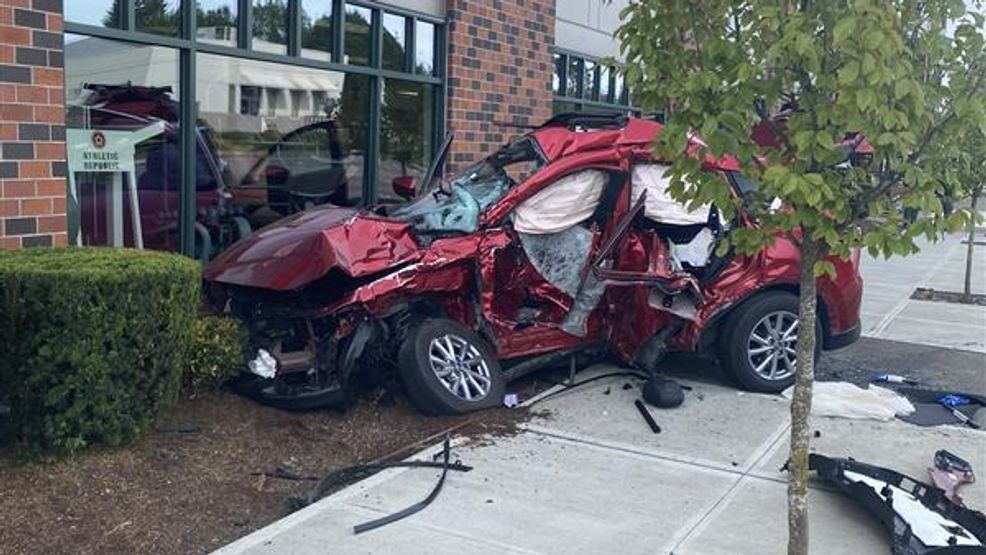
An 18-year-old suspect is now facing charges for a multi-car DUI crash in Tumwater, an incident that has drawn attention to his troubling history with the law. The crash left a 70-year-old woman in critical condition, raising concerns about the effectiveness of the juvenile justice system in preventing such incidents.
The suspect had previously been involved in multiple legal issues, including a case where he was sentenced to up to two and a half years at Green Hill School, a state-run detention center for juveniles in Chehalis, Washington. He was charged with second-degree assault after repeatedly ramming into a police cruiser while admitting to being high on meth as a 14-year-old in 2022. His time in the facility ended earlier this year, but his run-ins with the law did not stop.
After his release, the suspect was placed on electronic home monitoring as part of a parole agreement. He was required to attend three in-person meetings with a counselor each week. However, DCYF (Department of Children, Youth, and Families) revoked his parole after he failed to contact his counselor on July 14. The agency then issued a warrant for his arrest.
DCYF staff worked closely with law enforcement agencies to track the suspect’s whereabouts. On July 18, a counselor located him in Tumwater and contacted local police. A few hours later, the suspect was arrested. This event highlights the challenges faced by juvenile justice systems in ensuring compliance and accountability.
Legislative Response to Juvenile Justice Challenges
This incident has prompted Republican Representative Travis Couture of District 35 to advocate for better oversight of juvenile rehabilitation and diversion programs. Earlier this year, he sponsored HB-1248, a bill aimed at improving the evaluation of these programs. The legislation would task the Washington State Institute for Public Policy (WSIPP) with conducting regular evaluations and cost-benefit analyses of various juvenile programs designed to prevent reoffending.
Currently, WSIPP only performs these evaluations when directed by the legislature or through contracts with agencies. According to their website, the last comprehensive evaluation of a juvenile program was conducted in 2023, focusing on Functional Family Therapy (FFT) for court-involved youth. Before that, such evaluations were done in 2019.
Couture argues that without sufficient data, it is difficult to determine whether current programs are effective. He points out that the Washington Association of Sheriffs and Police Chiefs reported a significant increase in juvenile arrests in 2024 compared to 2023. “It’s hard to say if [the programs] are working or not if you don’t have any data, other than crime statistics,” he said.
The bill, which requests only $442,000 from the state budget, aims to promote fiscal responsibility and ensure that young people receive the most effective care possible. Couture emphasizes that failing to rehabilitate individuals can lead to higher costs in the long run, as those who do not receive proper support may end up in adult correctional facilities.
Responses from Juvenile Justice Agencies
In a statement, a spokesperson for DCYF acknowledged that many of the programs and data referenced in HB-1248 are managed at the county level rather than by the state. They expressed openness to new data and evaluations but noted that the information comes from Juvenile Courts, not state-run rehabilitation facilities. While they currently follow the WSIPP inventory, the proposed changes could allow for the exploration of programs not included in the existing framework.
Despite these efforts, KOMO News continues to seek input from officials responsible for juvenile rehabilitation programs in King County to gain a clearer understanding of the situation and potential improvements.
This case underscores the need for continuous evaluation and improvement of juvenile justice programs, ensuring that they effectively address the needs of at-risk youth and prevent future incidents.

Post a Comment for "Tumwater Multi-Car Crash Suspect's Past Sparks Juvenile Rehabilitation Debate"
Post a Comment