Tulsi Gabbard: Trump's Distraction in Epstein Scandal
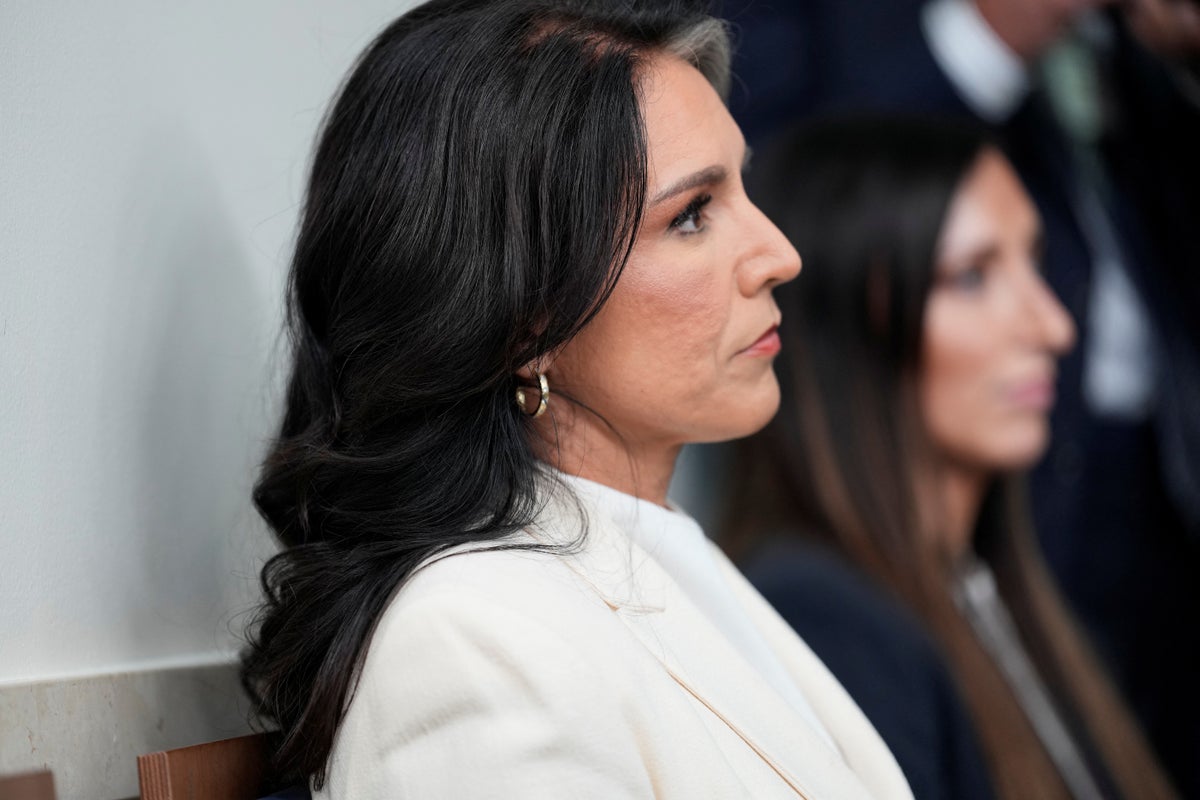
Accusations Against Tulsi Gabbard and the Alleged "Coup" Narrative
Tulsi Gabbard, a prominent figure in American politics, has faced significant criticism for her recent claims that top officials from the Obama administration were involved in a "coup" against then-president Donald Trump. These allegations suggest that these officials attempted to undermine Trump by investigating Russian efforts to support his campaign during the 2016 election. Critics argue that such claims are not only unfounded but also dangerous, as they could distract from more pressing issues.
Democratic Rep. Jason Crow expressed his concerns about Gabbard's statements, calling them a "weapon of mass distraction." He suggested that Gabbard’s actions might be an attempt to divert attention from the ongoing scrutiny of the Trump administration, particularly regarding its handling of the Jeffrey Epstein files and the president’s connections with the late financier.
Gabbard has been vocal about her belief that the Obama administration orchestrated a "years long coup" against Trump. She has cited materials released this month, including a declassified 2020 Republican report from the House intelligence committee, as evidence of this alleged conspiracy. However, many experts and officials have dismissed these claims as baseless.
Senator Mark Warner, the ranking Democrat on the Senate Intelligence Committee, criticized the release of these materials, calling it a reckless act. He argued that the report was an attempt by the Director of National Intelligence to please Donald Trump, potentially risking classified sources and betraying allies in the process.
Gabbard’s claims have also been echoed by Trump himself, who shared a fake, AI-generated video of Obama being arrested on his Truth Social account. This move has further fueled the controversy surrounding the allegations.
The Debate Over Russian Influence in the 2016 Election
The debate over Russian influence in the 2016 election has been a contentious issue. Gabbard has focused on past conclusions that Russian actors did not successfully hack digital voting infrastructure or change vote counts, suggesting these findings clashed with later assessments that Russia sought to help Trump. However, Susan Miller, a former CIA officer, has refuted these claims, stating that Gabbard is “lying.”
Miller emphasized that there was clear intelligence indicating that the Russians aimed to get Trump elected, and that Trump had been briefed on these findings. She also noted that no collusion between Trump and the Russians was found at the time.
Obama’s office issued a public statement denouncing Gabbard’s allegations, calling them "ridiculous" and a weak attempt at distraction. The statement highlighted that the document released last week does not contradict the widely accepted conclusion that Russia worked to influence the 2016 election but did not manipulate any votes.
Political Tensions and the Role of the White House
The White House has pushed back against the argument that Gabbard’s investigation is a partisan play. Karoline Leavitt, the White House press secretary, stated that those suggesting the director of national intelligence would release evidence to boost her standing with the president are attempting to sow distrust among the president’s Cabinet. She added that these claims are not working.
Multiple assessments have supported the intelligence community’s original findings of a general, one-way Russian influence operation that sought to boost Trump through tactics like hacking Democratic party materials and spreading disinformation online. Special counsels have investigated both the underlying "Russiagate" claims and the origins of the FBI investigation into the Trump campaign without uncovering any intentional "coup" by the Obama administration.
A bipartisan 2020 report by the Senate Intelligence Committee concluded that intelligence officials built a "coherent and well-constructed intelligence basis for the case of unprecedented Russian interference in the 2016 U.S. presidential election."
The Broader Political Landscape
During the 2024 election, Trump and his allies campaigned on a promise to rid the federal government, and in particular U.S. intelligence and law enforcement agencies, of politicization. They argued that Trump had been a victim of partisan backlash, facing two impeachments, two federal indictments, and several criminal and civil cases, including a felony conviction on 34 counts.
However, since taking office, Trump has faced criticism for driving the politicization of those same entities. Actions such as sanctioning law firms that worked with political opponents and calling for the prosecution of his various real and perceived critics have raised concerns.
Over the weekend, the president ranted on social media and threatened to prosecute Kamala Harris, Oprah Winfrey, and Beyoncé while lashing out at news networks whose "licenses could, and should, be revoked." He claimed without evidence that Democrats spent millions "probably illegally" seeking high-profile celebrity endorsements during the 2024 campaign.

Post a Comment for "Tulsi Gabbard: Trump's Distraction in Epstein Scandal"
Post a Comment