Trump's Tariff Folly on Lula Over Bolsonaro
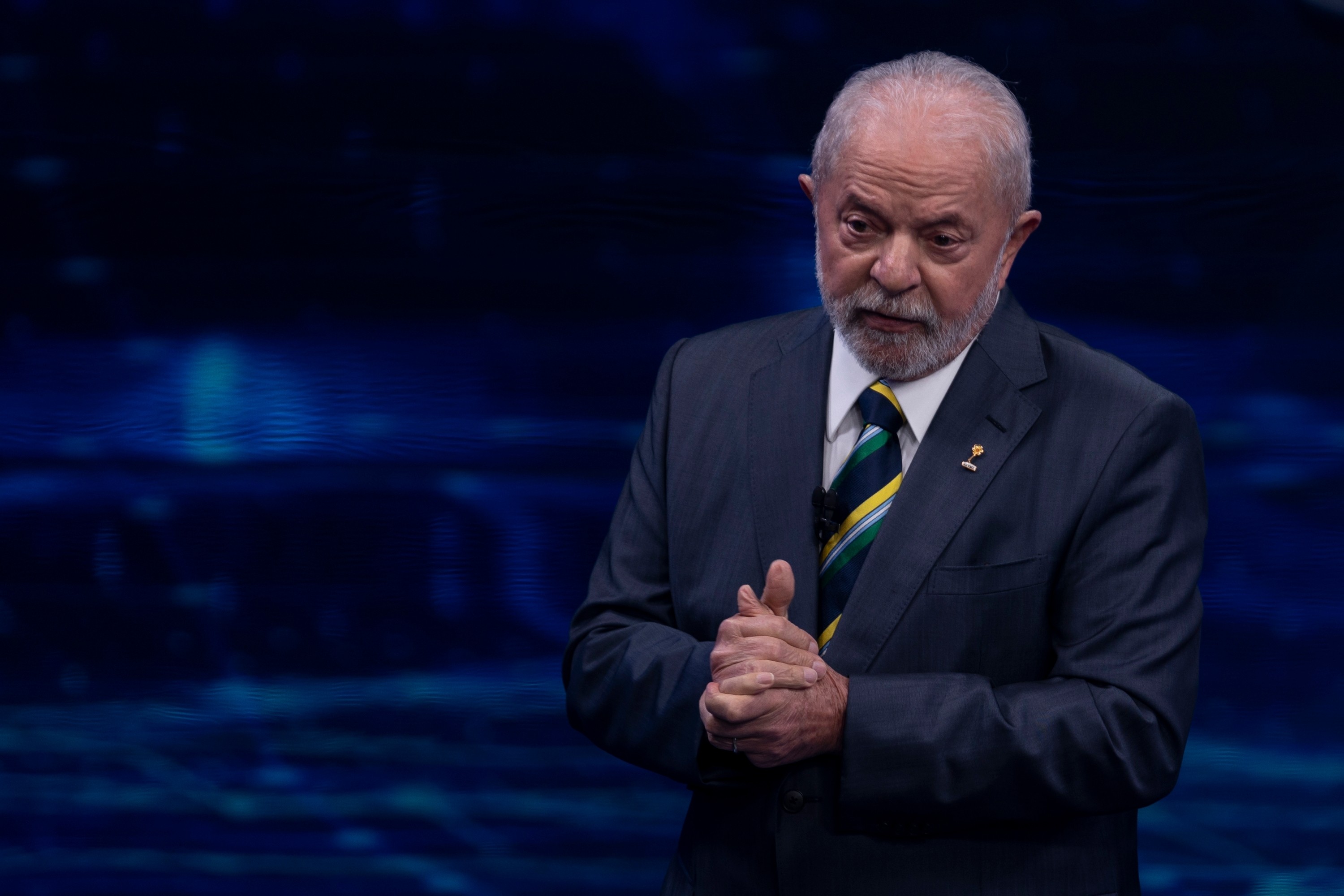
Brazil and the U.S. Face Off Over Tariffs and Sovereignty
As the deadline of August 1 approaches, Brazilian officials have been working tirelessly to reach out to their American counterparts. This date marks the day when former President Donald Trump has threatened to impose a 50% tariff on all Brazilian exports unless certain conditions are met. These conditions include dropping charges against Jair Bolsonaro, Brazil’s far-right former president, and adopting a more lenient stance toward U.S.-based social media companies in Brazil.
The Lula administration has expressed willingness to engage in trade negotiations but views these demands as an infringement on Brazil’s sovereignty. According to the 1988 Brazilian Constitution, the country has the right to manage its own legal affairs without external interference. The situation has sparked a growing tension between two major global players, raising concerns about the stability of international trade relations.
Economic Implications of Tariff Threats
Economically, the proposed tariffs make little sense. Brazil has maintained a trade surplus with the United States for nearly two decades. Many Brazilian exports, such as aircraft produced by Embraer, contain significant components made in the U.S. A 50% tariff on these goods could lead to reciprocal tariffs on American-made parts, affecting both nations.
Orange juice is another key export that would be heavily impacted. Brazil supplies 75% of the world's orange juice and 60% of the U.S. imports. Imposing such high tariffs could significantly increase costs for American consumers and potentially lead to job losses in bottling plants operated by brands like Tropicana and Minute Maid.
Additionally, the tariffs could affect other essential products such as beef and coffee, further straining the American economy. This approach reflects a broader strategy by Trump to use tariffs as a tool for coercion, rather than a means of fair trade.
International Response and WTO Involvement
Brazil has sought support from the World Trade Organization (WTO) to address these concerns. At a recent meeting, Brazil’s representative highlighted the dangers of using tariffs to interfere in the internal affairs of other countries. While not directly naming the U.S., the statement garnered support from over 40 countries, including China, Russia, and key U.S. allies like the European Union, New Zealand, and Canada.
Despite this, it remains uncertain whether the WTO will be able to compel Trump to change his stance. His history of disregarding international institutions suggests that he may continue to pursue his agenda regardless of global reactions.
The Role of BRICS in Global Governance
In response to the shifting dynamics, Brazil has turned its attention to the BRICS alliance, which includes Brazil, Russia, India, China, South Africa, and other emerging economies. As Lula currently serves as chairman of BRICS, the organization represents a new form of multilateralism that Brazil hopes will offer a more inclusive and representative global governance structure.
Celso Amorim, Lula’s foreign policy adviser, emphasized that the goal of BRICS is not to replace existing institutions like the United Nations but to enhance their representativeness and durability. This vision aligns with Brazil’s desire for a more balanced global order.
The Broader Implications
Trump’s approach to international relations has raised concerns about the future of the post-World War II global order. While he may achieve short-term gains through bilateral deals, the long-term consequences could be detrimental. By undermining multilateral institutions, he risks pushing nations like Brazil towards alternative frameworks that operate outside of Washington’s control.
This shift is already evident in Brazil’s growing engagement with BRICS and other regional alliances. As the country navigates these complex geopolitical dynamics, it seeks to balance its relationships with traditional allies while exploring new avenues for cooperation.
Conclusion
The ongoing standoff between Brazil and the U.S. highlights the challenges of maintaining a stable and equitable global trade system. As both nations grapple with these issues, the outcome will have far-reaching implications for international relations and economic stability. The path forward will require careful negotiation, mutual respect, and a commitment to preserving the principles of multilateralism.

Post a Comment for "Trump's Tariff Folly on Lula Over Bolsonaro"
Post a Comment