Trump Unveils Record Trade Deal With European Union
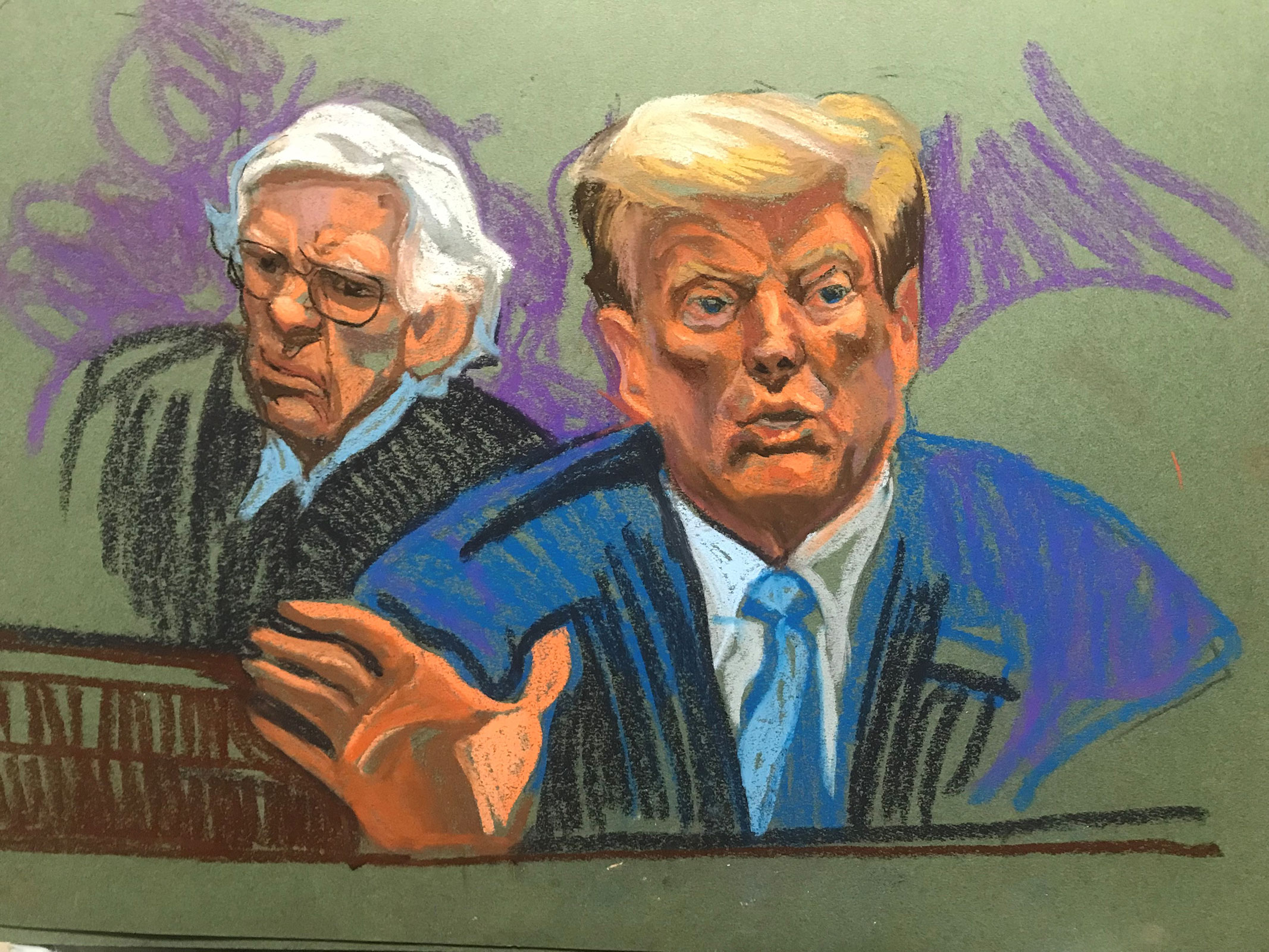
A Major Trade Agreement Between the US and EU
The United States and the European Union have reached a significant trade agreement that has been described by President Donald Trump as the "biggest-ever" deal to resolve a long-standing tariff dispute. This agreement was announced after a high-stakes meeting between Trump and Ursula von der Leyen, the President of the European Commission, at Trump’s golf resort in Scotland.
Trump confirmed that a baseline tariff of 15 percent would be imposed on EU exports to the US. This decision came just before an August 1 deadline, which could have led to a full-blown trade war with a 30 percent tariff on all European goods.
Key Terms of the Agreement
The deal, which was struck in about an hour, includes several key components. The 15-percent tariff will apply across the board, covering major sectors such as automobiles, pharmaceuticals, and semiconductors. In addition, the EU agreed to purchase $750 billion worth of energy from the US over three years, along with making $600 billion in additional investments.
Von der Leyen emphasized that this agreement is aimed at diversifying the EU's energy sources away from Russia. The purchases will include liquefied natural gas, oil, and nuclear fuels. She also highlighted that the agreement brings stability and predictability for businesses on both sides of the Atlantic.
Strategic Exemptions and Future Negotiations
As part of the deal, the EU secured tariff exemptions on several strategic products, including aircraft, certain chemicals, some agricultural products, and critical raw materials. Von der Leyen expressed hope that further "zero-for-zero" agreements could be reached, particularly for alcohol, which she hoped to finalize in the coming days.
In addition, the EU countries, which have pledged to increase their defense spending within NATO, will be purchasing "hundreds of billions of dollars worth of military equipment" from the US.
Challenges and Concerns
Despite the positive announcement, the agreement is not without its challenges. The EU has been facing multiple waves of tariffs since Trump returned to the White House. Currently, cars are subject to a 25-percent levy, while steel and aluminum face 50 percent tariffs. An across-the-board 10 percent tariff is also in place, with the threat of it increasing to 30 percent if no deal is reached.
The EU had pushed for tariff carve-outs for critical industries, especially the auto sector, which is vital for France and Germany. However, the 15-percent tariff is considered a significant step forward, even though it is higher than previous rates.
Mixed Reactions from Industry
While the deal has been welcomed by some, industry groups in Germany have raised concerns. The BDI federation of industrial groups warned that the accord could have "considerable negative repercussions," and the VCI chemical trade association said the rates were "too high."
The EU had also sought a compromise on steel, aiming for a quota system that would allow a certain amount of steel into the US before tariffs apply. Trump ruled out this possibility, stating that steel would remain as it is. However, von der Leyen insisted that tariffs would be reduced and a quota system would eventually be implemented.
The Big One
Although the 15-percent tariff is much higher than the average pre-existing US tariffs on European goods, which stand at around 4.8 percent, it mirrors the current status quo, with companies already facing an additional flat rate of 10 percent.
Had the talks failed, the EU had plans to impose counter-tariffs on $109 billion of US goods, including aircraft and cars, starting August 7. Trump has been actively working to reshape US trade relations globally, vowing to impose punitive tariffs on dozens of countries unless they reach a pact with Washington by August 1.
When asked about the next deal, Trump responded: "This was the big one. This is the biggest of them all."

Post a Comment for "Trump Unveils Record Trade Deal With European Union"
Post a Comment