Trump EPA Seeks to Undo Climate Regulation Ruling
The EPA's Plan to Overturn the Endangerment Finding
The Environmental Protection Agency (EPA) has taken a significant step in its effort to dismantle a key regulatory tool for addressing climate change. Known as the "endangerment finding," this policy was established following a 2007 U.S. Supreme Court ruling that allowed the EPA to regulate greenhouse gas emissions under the Clean Air Act. The finding declared that certain air pollutants, including greenhouse gases, pose a threat to public health and welfare, thereby requiring regulation.
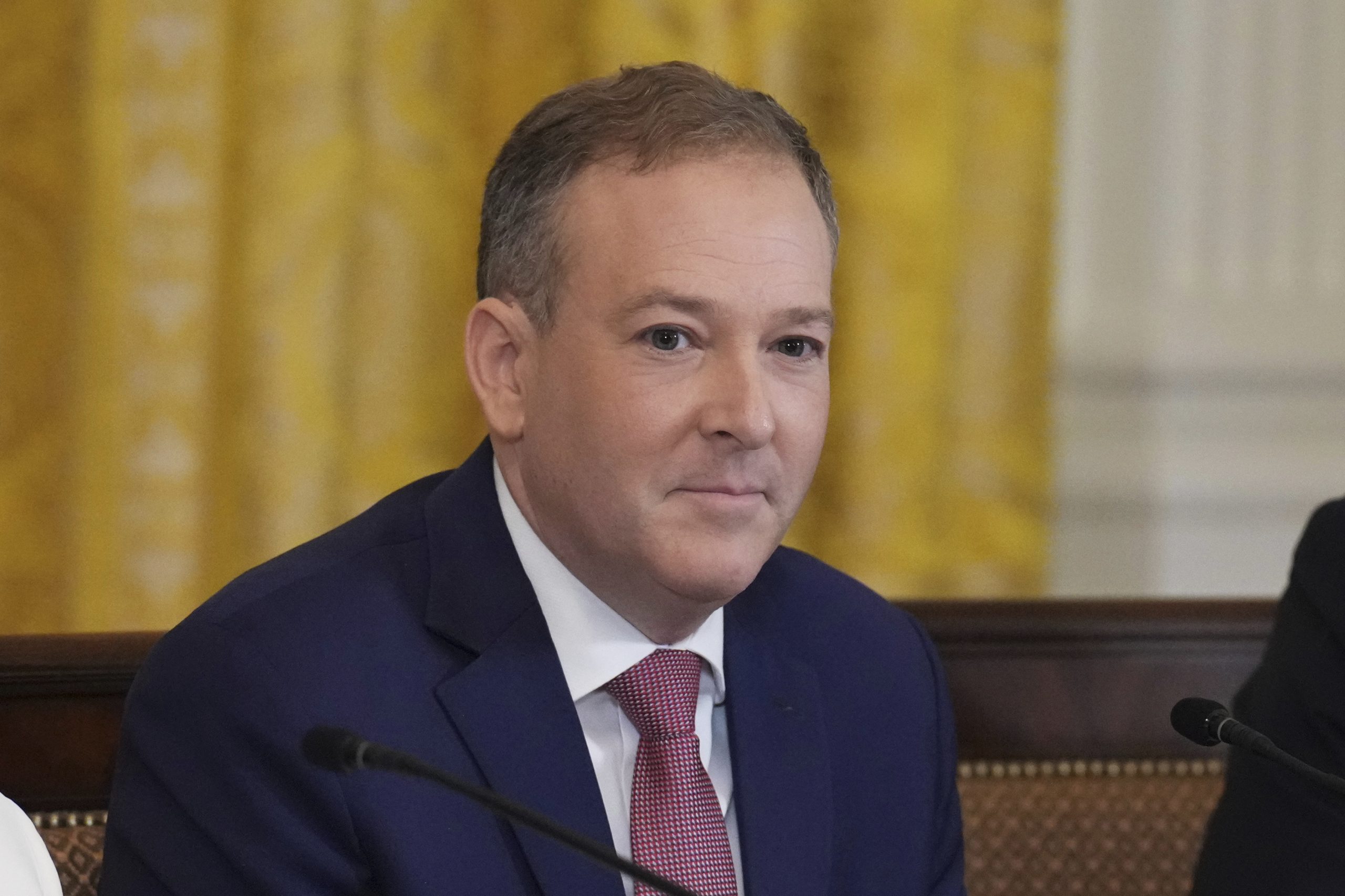
This move by the EPA comes after months of discussion and planning, with Administrator Lee Zeldin making the announcement at an event in Indiana. He argued that the original court decision had been misinterpreted or misapplied, and that repealing the endangerment finding would represent the largest deregulatory action in American history. Zeldin claimed that the current regulations were economically burdensome and could harm various sectors of the economy.
The proposal is expected to undergo a lengthy review process, including public comment periods, before it can be finalized, likely in the coming year. Environmental groups are already preparing legal challenges to oppose the rule change, arguing that it undermines critical protections against climate-related threats.
Zeldin’s plan also includes rolling back 31 environmental rules, targeting areas such as clean air, clean water, and climate change. He referred to the endangerment finding as “the Holy Grail of the climate change religion,” suggesting that ending it would usher in a new era of economic growth and prosperity.
However, this decision may have significant consequences for states like Connecticut, which has its own ambitious goals to reduce greenhouse gas emissions. The state’s Department of Energy and Environmental Protection notes that vehicle exhaust is the largest source of these emissions, followed by residential and commercial buildings. Governor Ned Lamont criticized the move, stating that it puts vulnerable populations at greater risk from the harmful effects of pollution.
Connecticut Attorney General William Tong pledged to challenge the decision in court, emphasizing the state’s commitment to environmental safeguards. Similar concerns were raised by other officials and environmental organizations, who argue that the EPA’s actions ignore scientific evidence and threaten public health.
Impact on Transportation and Climate Regulation
In addition to targeting the endangerment finding, the EPA has also sought to rescind limits on tailpipe emissions, which were designed to encourage automakers to produce more electric vehicles. This move could hinder efforts to reduce greenhouse gas emissions from the transportation sector, which is the largest contributor to such emissions in the United States.
Environmental advocates argue that the EPA’s actions contradict the growing evidence of climate change impacts, including extreme weather events that have affected communities across the country. Christy Goldfuss of the Natural Resources Defense Council criticized the administration for denying the reality of climate change and its dangers.
Former EPA leaders and climate experts have also voiced concerns about the potential consequences of the proposed changes. Gina McCarthy, a former EPA administrator, stated that the agency is failing in its mission to protect people and the environment from the harms of climate pollution. She emphasized that science and the law support the need for continued regulation.
Legal experts suggest that the EPA may face significant challenges in justifying its decision under the Administrative Procedure Act. Dan Esty, a professor at Yale University, noted that the agency will need to provide substantial evidence to support its claims, which he believes will be difficult to achieve.
Legal and Ethical Concerns
The potential repeal of the endangerment finding has sparked widespread concern among legal professionals and environmental advocates. David Doniger of the NRDC warned that such a move could invalidate existing climate regulations and prevent future administrations from implementing new measures to address climate change.
Peter Zalzal of the Environmental Defense Fund described the decision as legally indefensible and morally bankrupt, highlighting the importance of the endangerment finding in protecting millions of Americans from the dangers of climate change.
Conrad Schneider of the Clean Air Task Force criticized the Trump administration for using pollution regulations as a scapegoat for broader energy policy issues. He argued that the decision undermines the very purpose of the EPA and fails to address the real needs of communities seeking cleaner air and a healthier environment.
Joseph Goffman, a former EPA official, called the move a breach of government responsibility, emphasizing that the Supreme Court has made it clear that the EPA cannot ignore science or evade its obligations under the Clean Air Act. He stressed that the decision not only breaks with precedent but also with reality itself.
As the debate over the endangerment finding continues, the EPA’s actions remain a focal point of national discussions on climate policy, environmental protection, and the role of government in safeguarding public health.

Post a Comment for "Trump EPA Seeks to Undo Climate Regulation Ruling"
Post a Comment