Trump EPA Seeks to Lift Pollution Rules Cited in Climate Skeptic Document
Major Shift in Climate Policy Under the Trump Administration
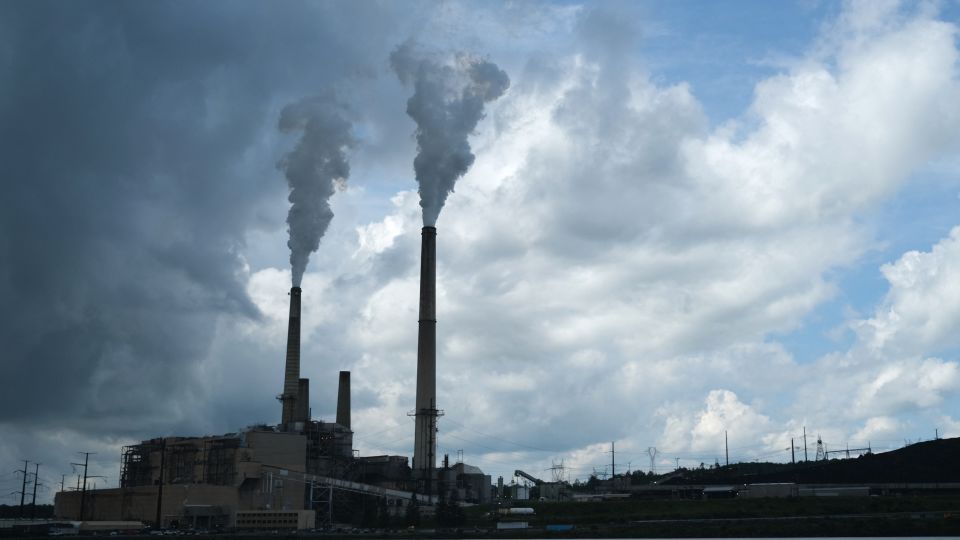
In a significant move that could reshape federal climate policy, the Trump administration proposed to repeal a 2009 scientific finding that human-caused climate change poses a threat to public health and safety. This decision was announced by EPA Administrator Lee Zeldin, who framed the action as the largest deregulatory effort in U.S. history.
The 2009 endangerment finding served as the foundation for numerous environmental regulations aimed at reducing greenhouse gas emissions from sectors like transportation, power generation, and the oil and gas industry. These regulations have been instrumental in curbing pollution and protecting public health. If the repeal is successful, it would undermine one of the most powerful tools the federal government has to combat climate change.
Zeldin defended the proposal on a conservative podcast, referring to climate change as "dogma rather than science." He described the repeal as "driving a dagger into the heart of the climate change religion," suggesting that the original finding was used as a pretext to target polluting industries.
The Report Behind the Repeal
The proposal to repeal the endangerment finding was based on a report authored by five researchers known for casting doubt on the scientific consensus around climate change. This report questioned the severity of climate impacts and provided the rationale for the EPA's decision. However, many scientists have criticized the report as lacking credibility and being based on outdated or misleading information.
The report was commissioned by the Department of Energy and included contributions from prominent researchers such as John Christy, Roy Spencer, and Steven E. Koonin—individuals who have long challenged the mainstream understanding of climate science. The document took approximately two months to complete and was released alongside the proposal to repeal the endangerment finding.
Critics argue that the report fails to reflect the broader scientific consensus. Climate scientist Zeke Hausfather, who has studied the issue extensively, called the report "a somewhat scattershot collection of oft-debunked skeptic claims" and noted that it was written by authors with "fringe views of climate science."
Scientific Consensus and the Reality of Climate Change
Despite the Trump administration's claims, the scientific community remains united in its conclusion that human activities are driving global warming. Over the past 16 years, the world has warmed by an additional 0.45 degrees Celsius, leading to more frequent and severe weather events, including heatwaves, wildfires, and heavy precipitation.
These changes are no longer confined to scientific discussions—they are affecting everyday life. In California, for example, residents now rely on state-backed wildfire insurance due to the increasing frequency and intensity of fires. Phil Duffy, a former Biden official and climate scientist, emphasized that the evidence supporting the dangers of climate change has only grown stronger over time.
International climate assessments, including the fourth and fifth U.S. National Climate Assessments, have consistently reaffirmed the risks posed by climate change. According to Hausfather, there is no credible scientific evidence that challenges the 2009 endangerment finding.
Implications for the Future
As the world approaches critical climate thresholds, the debate over how to address climate change continues. The Paris Agreement set a goal of limiting global warming to 1.5 degrees Celsius, but many scientists believe this target may no longer be achievable. With fossil fuel emissions still rising, the risk of reaching 3 degrees Celsius of warming by the end of the century is increasingly real.
The Trump administration’s decision to repeal the endangerment finding raises concerns about the future of climate policy in the United States. While some argue that the move will reduce regulatory burdens on industry, others warn that it could hinder efforts to protect public health and the environment.
As the climate crisis intensifies, the need for science-based policies becomes more urgent. The scientific consensus is clear: climate change is a real and growing threat that demands immediate and sustained action.

Post a Comment for "Trump EPA Seeks to Lift Pollution Rules Cited in Climate Skeptic Document"
Post a Comment