Trump Eases China Position as Trade Talks Intensify
Shift in U.S. Policy Toward China
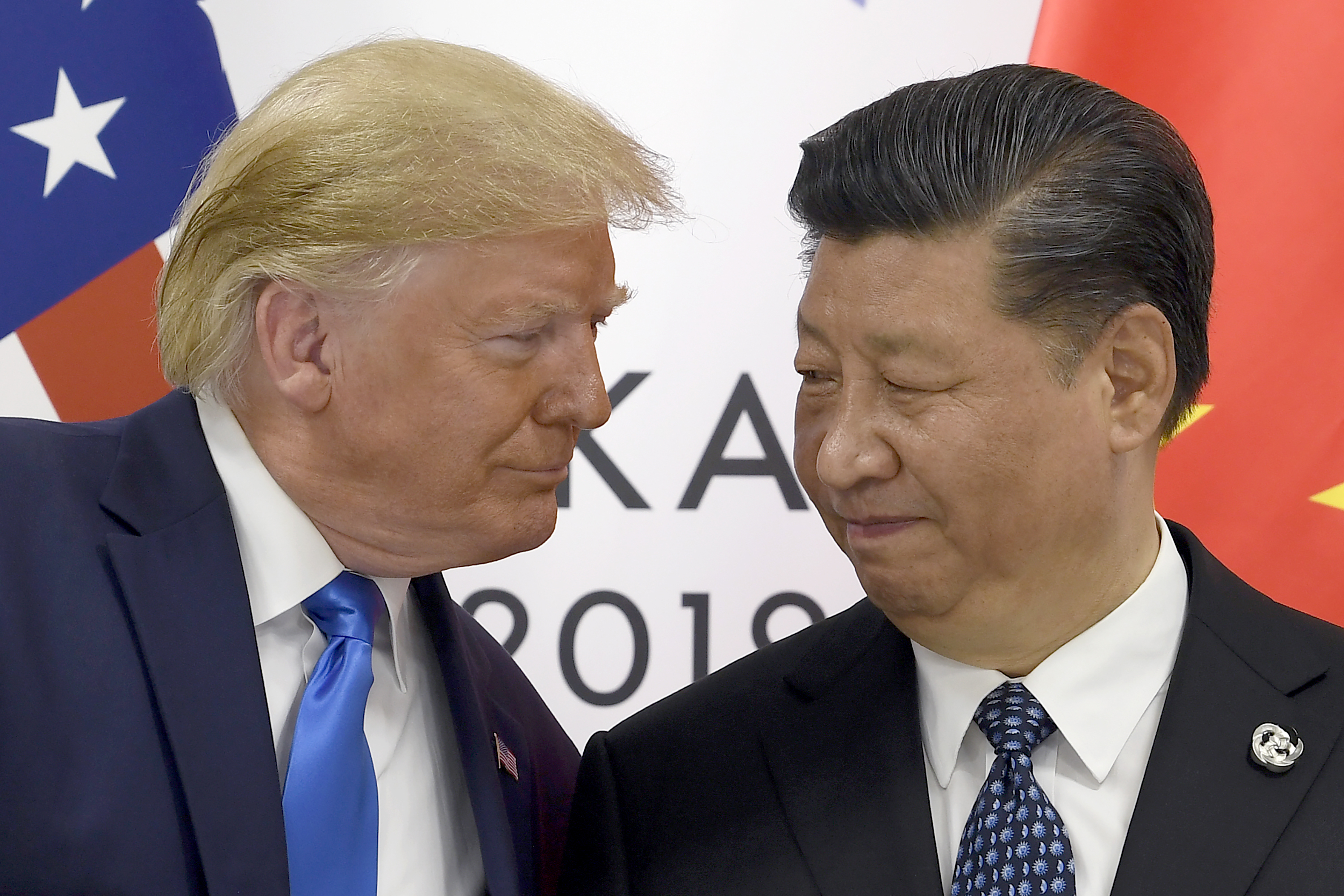
The Trump administration has taken a more conciliatory stance toward Beijing, especially as high-stakes trade negotiations are underway and a potential summit between President Donald Trump and Chinese President Xi Jinping approaches. This shift has included several notable actions that have raised concerns among critics.
One of the key moves involved discouraging Taiwan’s leader from making planned stopovers in the United States. The administration reportedly pressured Taiwan's president, Lai Ching-te, to alter his itinerary, which had initially included stops in Dallas and New York City. According to sources familiar with the matter, the administration sought to limit public engagement and avoid major cities, effectively making it clear they did not want the visit to proceed as planned. This came after intense lobbying by Beijing, which views any U.S. engagement with Taiwanese officials as a provocation.
Additionally, the administration postponed a meeting between Taiwan’s defense minister and top Pentagon leaders in June. The meeting was canceled following a phone call between Trump and Xi, where the latter urged the U.S. to limit its interactions with Taiwan. Washington has yet to reschedule the meetings, signaling a continued cautious approach.
Another significant move was the suspension of new export controls on China. This decision has drawn criticism from both Republicans and Democrats, who argue that it undermines U.S. national security and regional alliances. Critics fear that Trump’s focus on securing a trade deal with China is overshadowing efforts to compete with Beijing economically, technologically, and militarily.
China is actively working to surpass the U.S. and its Western allies in emerging technologies such as artificial intelligence (AI) and quantum computing. These technologies are seen as crucial for military modernization and global economic dominance. The administration’s recent decisions, including lifting restrictions on the sale of AI semiconductors to China, have further fueled concerns.
In July, the administration reversed an April decision to ban the sale of the H20, an AI chip made by Nvidia. CEO Jensen Huang’s extensive efforts to persuade Trump played a role in this reversal. However, national security experts and lawmakers from both parties have criticized the move, arguing that it could aid China’s military-industrial complex. A letter signed by 20 national security experts urged Commerce Secretary Howard Lutnick to reverse the decision, warning that it could jeopardize America’s economic and military edge in AI.
The administration has also made other concessions to China. In May, the Commerce Department issued guidance on certain chips made by Huawei, but later softened the language to avoid undermining ongoing trade negotiations. This change was seen as a way to maintain diplomatic relations while still addressing concerns about technology exports.
Recent trade talks in Stockholm concluded with Treasury Secretary Scott Bessent stating that the president would need to decide whether to extend a trade truce between the U.S. and China. The administration has emphasized its focus on advancing American interests, such as leveling the playing field for industries and addressing issues like fentanyl trafficking.
Despite these developments, there remains uncertainty about the future of U.S.-China relations. Trump has mentioned the possibility of visiting China, but he has also stated that he is not seeking a summit with Xi. “I may go to China, but it would only be at the invitation of President Xi,” he said, indicating a conditional approach to the potential visit.
Overall, the Trump administration’s shifting policies toward China have sparked significant debate and concern among policymakers and experts. The balance between trade negotiations and national security remains a critical challenge as the administration navigates its relationship with one of the world’s most influential nations.

Post a Comment for "Trump Eases China Position as Trade Talks Intensify"
Post a Comment