Trump Admin Issues Guidance Safeguarding Religious Expression for Federal Workers
Federal Employees Now Allowed to Express Religious Beliefs in the Workplace
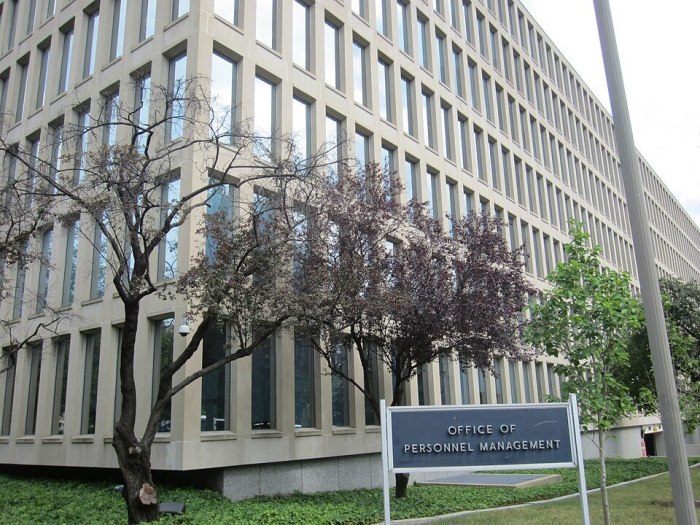
The U.S. Office of Personnel Management (OPM), led by Director Scott Kupor, has issued a memo that outlines new guidelines allowing federal employees to express their religious beliefs in the workplace. This directive aims to ensure that religious expression is protected and encouraged, provided it does not interfere with work operations.
According to the memo titled "Protecting Religious Expression in the Federal Workplace," federal employees are now permitted to display religious items, engage in individual or group prayer during non-duty hours, discuss their religious beliefs, and even attempt to persuade co-workers through polite dialogue. These actions can take place without harassment or discrimination. Additionally, employees may invite colleagues to religious services and express their faith, even in roles that involve public interaction, such as national park rangers engaging with tour groups.
Agencies have been instructed to allow religious expression to the maximum extent possible unless it creates an "undue hardship" on business operations. Importantly, this does not include situations where a co-worker dislikes the expression. The memo encourages agencies to review and update internal policies to ensure compliance, avoid disciplinary action against employees for non-harassing religious expression, and uphold the right of supervisors to participate in religious discussions.
The guidance references Title VII of the Civil Rights Act of 1964, which defines religion to include all aspects of religious observance and practice. However, the memo clarifies that not all beliefs fall under this definition. For instance, social, political, or economic philosophies, as well as personal preferences, are not considered "religious" under the law.
Kupor emphasized that the purpose of the memo is to protect the rights of federal employees of all faiths. He stated, "Federal employees should never have to choose between their faith and their career." This guidance aims to create a federal workplace that is not only compliant with the law but also welcoming to individuals of diverse religious backgrounds. Under the Trump administration, efforts are being made to restore constitutional freedoms and ensure that people of faith are respected rather than sidelined.
This memo follows another OPM directive released just a week prior, which encouraged greater accommodations for religious liberty among federal employees. This includes options such as telework and modified work schedules to support religious practices.
Andrew T. Walker, associate dean at The Southern Baptist Theological Seminary, praised the new guidance, calling it a step toward restoring neutrality in the federal government. He stated, "To me, that's simply reaffirming the First Amendment, which has proper caveats if you're not engaging in harassing behavior. I think this is just reiterating basic principles of the First Amendment."
However, not everyone shares this positive view. Mikey Weinstein, founder of the Military Religious Freedom Foundation, criticized the guidance, arguing that it could lead to pressure on employees to accept certain religious views. He warned, "If your supervisor decides to sit down and make it very clear that it's important to her or him, that you accept this weaponized version of the gospel of Jesus Christ, what do you think your chances are for advancement?"
In a video posted online, Weinstein described the rules as "unconstitutional savagery" and compared them to "Nazi Germany, 1933." His comments reflect concerns about potential misuse of the policy.
The OPM memos come as part of the Trump administration’s broader initiative to "eradicate anti-Christian bias" within the federal government. This effort includes a February executive order establishing a task force within the U.S. Department of Justice to address the issue, as well as a May executive order creating a presidential commission on religious liberty.
These developments highlight ongoing discussions about the balance between religious freedom and workplace conduct, as well as the role of government in protecting individual beliefs.

Post a Comment for "Trump Admin Issues Guidance Safeguarding Religious Expression for Federal Workers"
Post a Comment