The Origin of New Jersey Diners' Signature Style
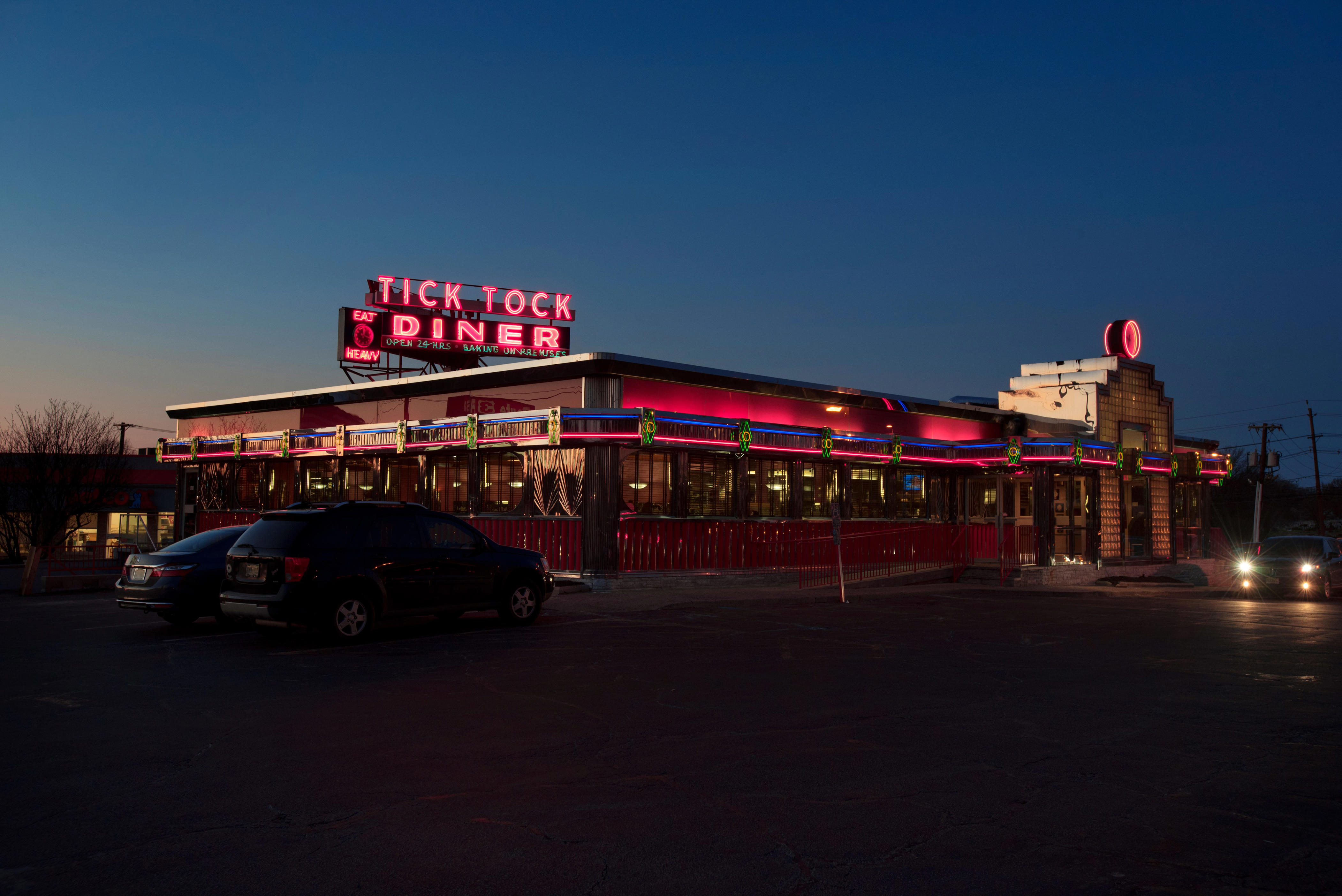
The Iconic Look of Diners and Their Roots in New Jersey
Diners are more than just places to grab a meal. They are cultural landmarks that reflect the history, design, and community spirit of the places they serve. From their eye-catching neon signs to their expansive windows and long bar counters with swivel seats, diners create an atmosphere that is both inviting and nostalgic. These establishments have become symbols of American roadside culture, and New Jersey has played a significant role in shaping this iconic look.
New Jersey is often referred to as the diner capital of the world for two key reasons. First, the state is home to more diners than any other in the country, with over 400 currently operating. Second, it was once the manufacturing hub for most of the U.S. diner builders. This combination of high numbers and industrial influence helped define the classic diner aesthetic that we still recognize today.
The origins of the New Jersey diner scene can be traced back to 1912 when Jerry O'Mahony, a resident of Bayonne, built and sold what was known as a lunch wagon. These early mobile eateries were prefabricated and horse-drawn, offering food to customers at night when traditional restaurants were closed. Though similar concepts existed elsewhere, this marked the beginning of a new era in American dining.
Over time, these lunch wagons evolved into stationary eateries with more elaborate designs. The structures were intentionally designed to be compact and easy to move, drawing inspiration from the Pullman railroad cars of the era. This led to the development of the Streamline Moderne style, characterized by aerodynamic shapes, rounded corners, horizontal lines, and geometric ornamentation.
This design philosophy remained popular through the 1950s and became a defining feature of many diners. Elements such as neon lights, glass bricks, marble countertops, terrazzo or checkers floors, decorative tile, chrome trim, and stainless steel finishes were commonly used. These materials not only added to the visual appeal but also ensured durability and ease of cleaning.
As competition among diner manufacturers grew in New Jersey, there was a lot of copying in terms of design. While each company would add its own unique touch, the overall look of diners remained remarkably similar. For example, if one manufacturer introduced stainless steel trim around windows, others would follow suit. This created a sense of uniformity that persists in many of today’s diners.
By the 1950s, diners had grown larger and could no longer be built in factories and transported. Instead, they began being constructed on-site, leading to changes in design. Larger picture windows, taller bodies, and varied roof lines—such as flared out or zigzag designs—became common. This allowed for easier expansion to accommodate growing businesses.
However, by the 1980s, many diner manufacturers faced challenges due to an oversaturated market, declining demand, and failed expansion efforts. As a result, most of the remaining historic diners in New Jersey retain their original retro design, serving as important historical landmarks.
These diners represent a unique form of American industrial design and manufacturing. Their enduring appeal lies in their ability to capture the essence of a bygone era while continuing to provide a welcoming space for communities. Preserving these vintage diners is seen as a valuable effort, as they offer a glimpse into the past and highlight the craftsmanship of an earlier time.
Diners continue to play a vital role in American culture, blending functionality with nostalgia. Their distinctive look, rooted in New Jersey’s history, remains a testament to the ingenuity and creativity of those who built them. Whether you’re stopping by for a quick bite or simply admiring the architecture, diners offer a slice of Americana that is hard to find anywhere else.

Post a Comment for "The Origin of New Jersey Diners' Signature Style"
Post a Comment