The Drifter Review: A Carpenter-Inspired Masterpiece of the Year
A Modern Take on a Classic Genre
The challenge of modernizing classic game genres is a delicate balancing act. Too much change and the game loses its core identity, but too little and it feels outdated. Power Hoof has managed to achieve this balance with their latest title, The Drifter, a pulpy pixelated point-and-click adventure that not only captures the essence of its influences but also elevates them with polish and style. This achievement makes The Drifter one of the most promising releases of the year.
A Story Full of Surprises
In The Drifter, players take on the role of Mick Carter, a vagabond returning home for his mother’s funeral. His journey quickly takes a dark turn as he finds himself caught in a web of violence, mystery, and supernatural occurrences. The narrative is layered with genre tropes that are both familiar and refreshing. From solving a missing person's case to confronting horrors that defy logic, the story keeps players guessing at every turn. The twists and turns in Mick's journey make for an engaging experience that challenges the player's perception of the protagonist.
A Carpenter-esque Vibe
One of the standout features of The Drifter is its atmosphere. The game exudes a vibe reminiscent of John Carpenter’s films, particularly They Live. The opening scene, where Mick rides the rails, sets the tone for a story steeped in class-conscious themes and gritty realism. Even before the game begins, the main menu presentation—starting with a black screen and glowing red eyes—hints at the attention to detail and art direction that define the game.
Art Direction That Captivates
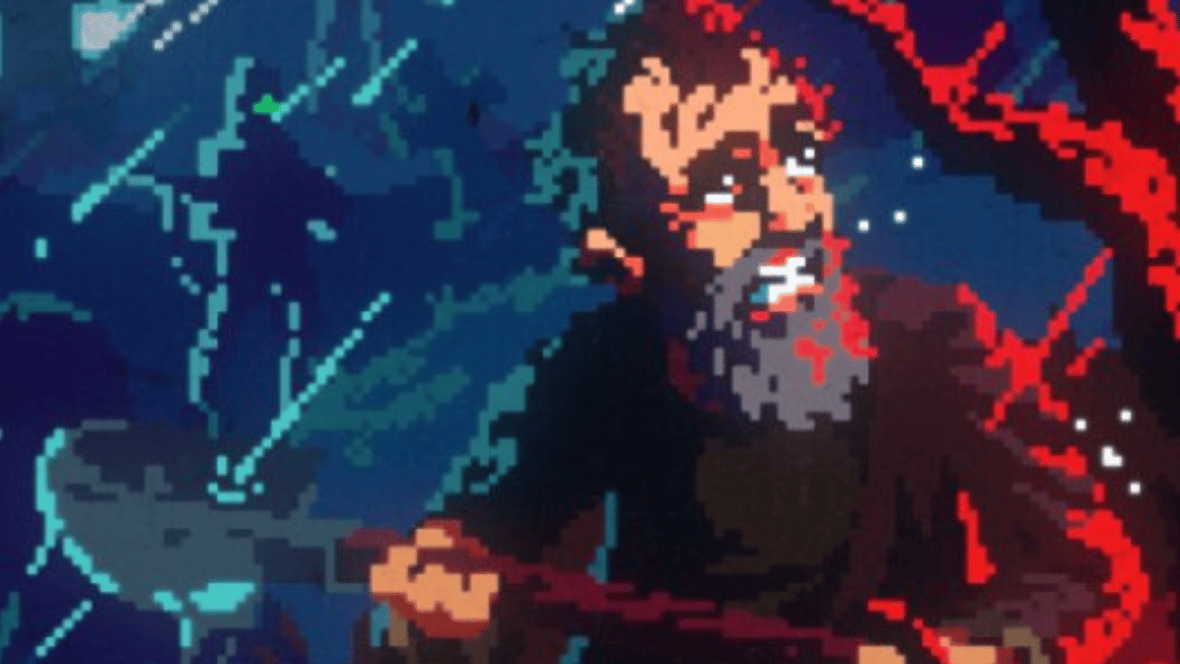
The visual design of The Drifter is nothing short of impressive. The backgrounds, created by art directors Barney Cumming and Matt Frith, bring the seedy underbelly of the city to life. Despite the bleak setting, the environments are rich with detail and atmospheric lighting that evoke the feel of a noir film. As players explore deeper into the world, they encounter a diverse cast of characters, each adding depth and intrigue to the narrative.
Character Development and Voice Acting
The characters in The Drifter are well-developed and memorable. Their personalities are vividly portrayed, offering both humor and insight into the game's darker themes. The voice acting, especially from Adrian Vaughan as Mick, brings a level of authenticity and emotional depth that enhances the storytelling. Mick's character is complex, balancing trauma and empathy, which makes him relatable and compelling.
Gameplay That Keeps You Engaged
While The Drifter follows a traditional point-and-click adventure structure, it introduces modern touches that enhance the gameplay experience. The twin-stick control scheme allows for smooth navigation, making it accessible for newcomers while still satisfying veterans. The game also includes a well-organized system for tracking clues and information, ensuring that players can stay on track without feeling overwhelmed.
Innovative Mechanics and Narrative Integration
One of the most unique aspects of The Drifter is the ability to redo scenarios after death. When Mick dies, he is resurrected with new knowledge, which adds a layer of strategy to the gameplay. This mechanic not only serves as a gameplay feature but also ties into the narrative, creating a seamless blend of mechanics and storytelling.
A Standout in the Genre
In a gaming landscape filled with derivative titles, The Drifter stands out as a creative and confident departure from the norm. Power Hoof has successfully blended genre influences with originality, resulting in a game that is both visually stunning and narratively rich. With its engaging story, polished gameplay, and immersive atmosphere, The Drifter sets a new standard for point-and-click adventures. It is a must-play for fans of the genre and a strong contender for one of the year’s best releases.

Post a Comment for "The Drifter Review: A Carpenter-Inspired Masterpiece of the Year"
Post a Comment