Texas Flood Hearing Exposes Disaster Training Gap
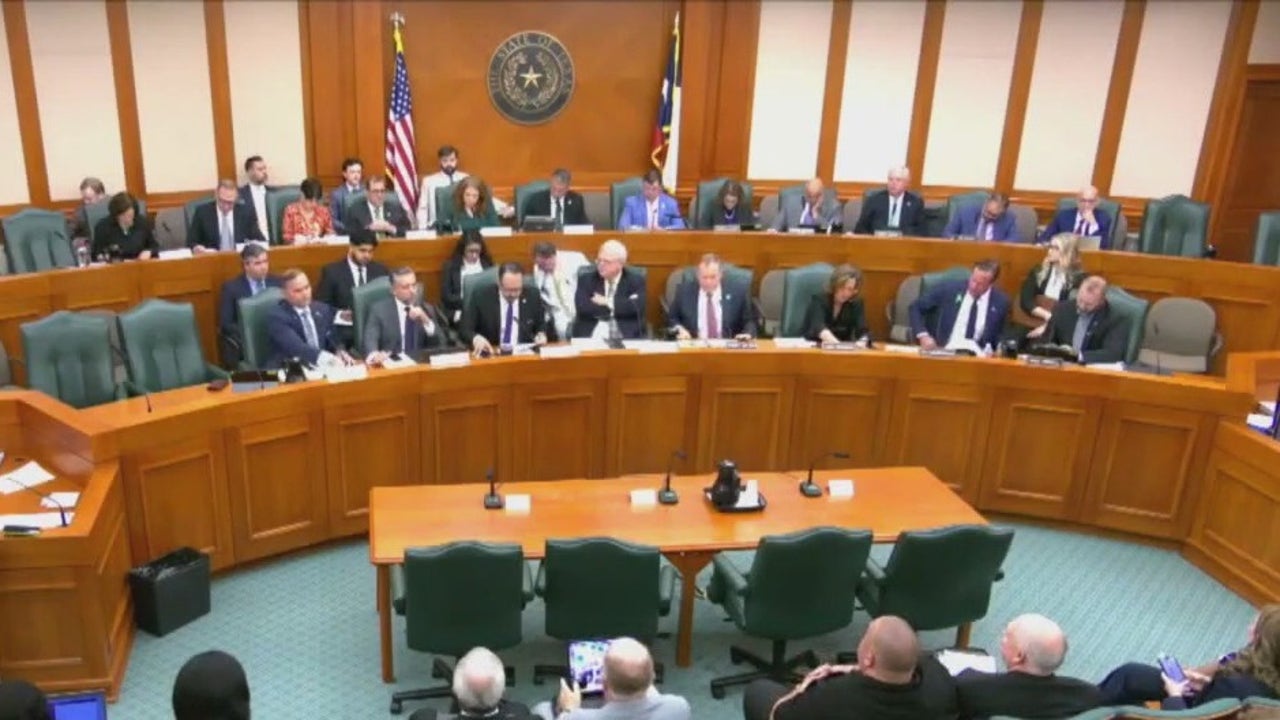
Legislative Hearings Address Disaster Preparedness in Texas
A series of legislative hearings were held to examine the response to the devastating flooding that occurred on the Fourth of July in Texas. These hearings, which took place at the Texas Capitol, involved a rare joint meeting of House and Senate committees focused on disaster planning and response. The goal of these sessions is to identify ways to improve future disaster preparedness and ensure that communities are better equipped to handle such events.
During the first day of the hearing, it became evident that there were significant gaps in how local emergency management officials were trained and supported. This revelation highlighted the need for more comprehensive training programs and better coordination between state and local authorities.
The storm that caused flash flooding in the Texas Hill Country and Central Texas brought an unexpected amount of rainfall. Two days before the storm hit, state resources were deployed across a vast area covering approximately 35,000 square miles—roughly the size of the state of Indiana. Despite these efforts, the response was not as effective as it could have been, raising questions about the preparedness of local officials.
TDEM Chief Nim Kidd testified that proactive steps were taken, including contacting local authorities. However, he emphasized that his agency, by law, does not have control over local emergency responses. "Under Chapter 418, elected mayors and county judges are the emergency management directors for their communities," said Chief Kidd. This legal framework means that local leaders bear the primary responsibility for managing disasters within their jurisdictions.
The committee reviewed the timeline of events leading up to the flooding. A flash flood watch for the Texas Hill Country was issued on July 3, prompting questions about what measures were taken to prepare for the storm. Sen. Charles Perry (R) Lubbock noted that while warning sirens can provide some level of protection, they are not always sufficient. "Some of the kids were actually able to climb up the wall of the canyon because they had enough notice, so that's probably the best case scenario until technology proves different. That at some point higher ground is the only option you've got, but it can't be when you see the river cresting," he said.
Advisories from the National Weather Service escalated shortly after midnight on July 4. At 1:15 a.m., a flood warning was issued for Ingram and Hunt. During this time, Houston Republican Paul Bettencourt asked Chief Kidd when he received the first call about people being on rooftops and whether help was needed. "4.56 a.m.," said Chief Kidd. At the state operations center in Austin, the alerts were seen by the overnight staff, leading to an exchange between Chief Kidd and State Sen. Jose Menendez (D) San Antonio.
SEN. MENENDEZ: "At that point, do they make a concerted effort to communicate that, to make sure that the people in that area, where that flooding is occurring, do they know this is happening? Do they communicate that and do they receive, are they acknowledged that they receive that information?"
CHIEF NIM KIDD: "There is no system in place today to ensure that County Judge X or Mayor Y or Emergency Manager Z is getting the same information that we are getting from the National Weather Service."
SEN. MENENDEZ: "You do see the problem with that, right?"
CHIEF NIM KIDD: "Senator, I do."
This communication gap revealed a critical issue in the current system. There is no uniform state certification process for local emergency managers, which has led to inconsistencies in training and preparedness. Sen. Lois Kolkhorst (R) Brenham reminded the committee that a study group had already recommended changes to this system in a report issued five years ago. "I'm not sure what happened after that report was issued. It was issued during the pandemic. And I think that it's something that we probably need to look into," she said.
The issue of local emergency training is expected to be a key topic in the next hearing, which will take place in Kerrville. Local officials are expected to testify about their experiences and recommendations for improvement. Additionally, there was clarification regarding a past request for a warning system in Kerr County, which had become a political issue. The state approved a $50,000 grant and a $950,000 0% loan for the Upper Guadalupe River Authority to install warning devices. Media reports had suggested that the state had rejected a funding request, but this was clarified during the hearing.

Post a Comment for "Texas Flood Hearing Exposes Disaster Training Gap"
Post a Comment