Tesla Lawsuit Threatens Car Sales in California
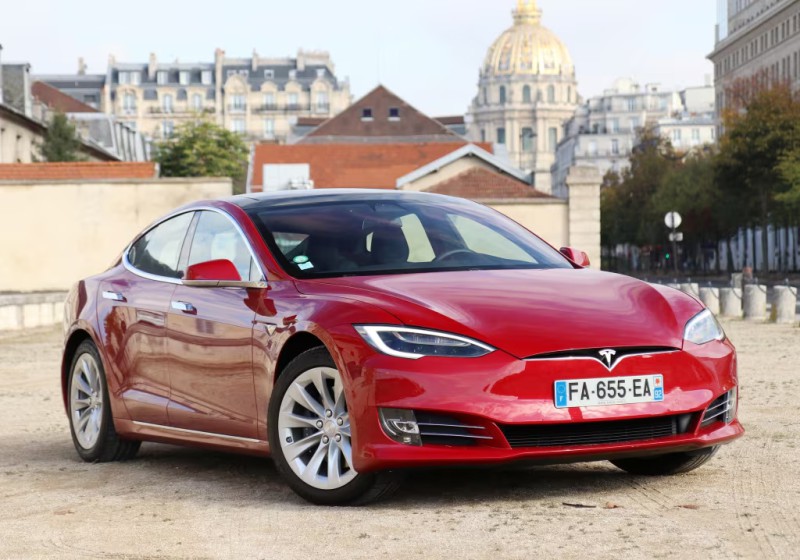
Legal Challenges Mount for Tesla in California
Tesla is facing a significant legal battle in California, the automaker’s most critical market. If the state's lawsuit does not favor Tesla, the company could be forced to halt car sales in the state for 30 days. This situation has raised concerns about the future of Tesla’s operations in California and its ability to maintain its strong presence in the electric vehicle (EV) market.
The legal dispute began in 2022 when the California Department of Motor Vehicles (DMV) filed a lawsuit against Tesla. The DMV accused the company of false advertising, claiming that Tesla misled consumers by promoting its vehicles as having advanced driver-assistance systems (ADAS) that offered full autonomy. Specifically, the DMV targeted Tesla’s Autopilot and Full Self-Driving (FSD) features, arguing that the marketing materials suggested these systems could operate without human intervention, which is not the case.
According to the DMV’s complaint, “vehicles equipped with those ADAS features could not, at the time of those advertisements, and cannot now, operate as autonomous vehicles.” The DMV is seeking to suspend Tesla’s ability to sell cars in California for at least 30 days and also wants compensation for affected consumers.
California has been a major market for Tesla. Over 1 million new Teslas have been registered since the company started operating there, making up about 45% of all new EV registrations during that period. However, recent data shows a decline in Tesla’s market share. In the first quarter of 2025, Tesla’s share of EV sales in California fell below 50% for the first time, marking a shift in the competitive landscape.
Scrutiny of Tesla’s Autopilot Feature
The DMV’s lawsuit specifically targets Tesla’s marketing of its Autopilot and FSD features. The agency claims that Tesla’s website advertised these systems as capable of conducting both short and long-distance trips without any input from the driver. Phrases like “From Home – All you will need to do is get in and tell your car where to go” were part of Tesla’s promotional materials.
Tesla has defended itself by stating that it has always informed buyers that these features are not fully autonomous and require constant driver supervision. However, critics argue that CEO Elon Musk has often exaggerated the capabilities of these Level II driver-assist systems, leading to confusion among customers and legal challenges.
A Santa Clara University law professor specializing in advertising law told Business Insider that the California DMV’s lawsuit is “very high stakes” for Tesla. Even if Tesla wins this case, the professor noted, the company will still face legal battles over its claims about its self-driving technology elsewhere.
Legal Pressures on Tesla’s Legal Team
Tesla’s legal department is under immense pressure due to multiple ongoing lawsuits. A wrongful death lawsuit in Miami federal court involves a 2019 crash linked to the Autopilot system. The lawsuit alleges that Tesla failed to ensure vehicle safety and properly promoted the Autopilot system, which should have prevented the collision. Tesla argues that the crash was due to a distracted driver, not its technology.
In addition to the Florida case, Tesla is facing charges in France for alleged deceptive marketing practices. Meanwhile, Tesla’s Robotaxi fleet has reportedly violated traffic laws in Texas.
Unrelated to its self-driving technology, Tesla is also dealing with a lawsuit accusing the company of tampering with odometer readings to avoid warranty obligations. Last year, Alcon Entertainment, producers of the movie Blade Runner, sued Tesla for copyright infringement over Blade Runner-inspired visualizations used in the promotion of the Cybercab. Tesla is also being sued globally over a phantom braking issue.
Elon Musk has emphasized the need for a strong in-house litigation team to handle the wide range of legal issues Tesla faces. The company has been actively hiring experienced lawyers from top law firms to join its legal team, including those with litigation and trial experience. This effort is overseen by General Counsel Brandon Ehrhart, who joined Tesla in early 2023.
With so many legal challenges on the horizon, Tesla’s legal department is likely to remain busy for the foreseeable future.

Post a Comment for "Tesla Lawsuit Threatens Car Sales in California"
Post a Comment